
The Top 5 Backsplash Materials That Never Go Out of Style
Classic Materials That Define Lasting Elegance

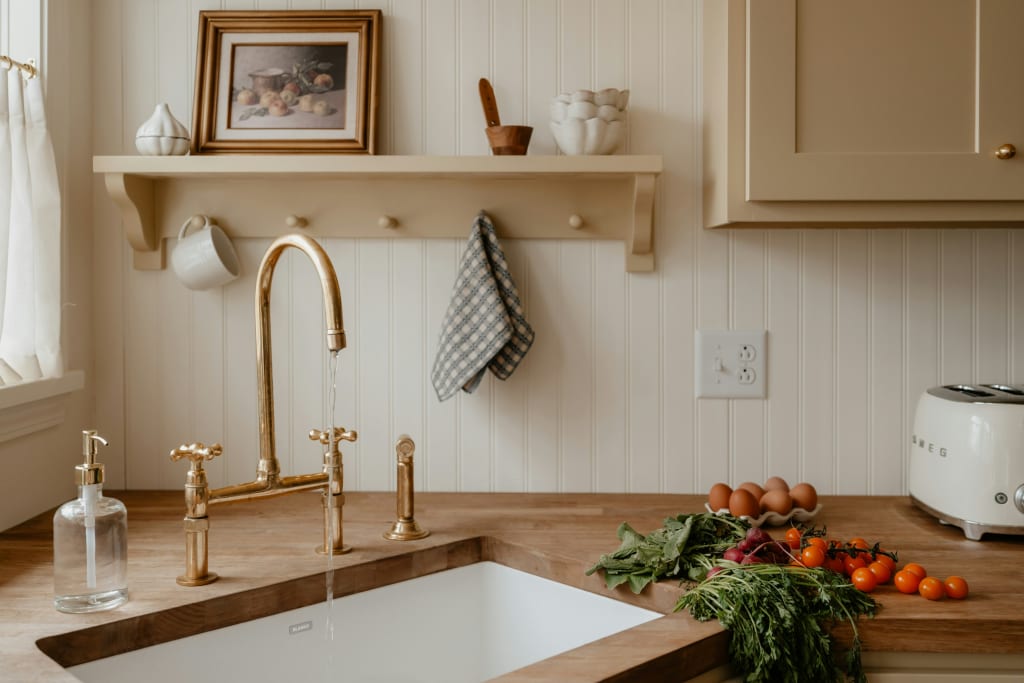
In the world of kitchen design, few choices are as defining as the backsplash. It is both a practical necessity and a visual anchor, setting the tone for the entire room. A backsplash is tasked with protecting the walls from splashes, spills, and heat, but it also functions as an aesthetic statement, uniting cabinetry, countertops, and flooring into a cohesive whole. Because the kitchen is a space that evolves with technology and lifestyle shifts, homeowners often find themselves weighing the question of longevity: Which materials are stylish now but will also look elegant and relevant ten, twenty, or even thirty years from today?
Some backsplash trends rise quickly and fade just as fast, tethered to fleeting aesthetics that can date a space almost overnight. But others achieve the rare balance of durability, versatility, and timeless appeal. These materials have a proven track record of enduring changes in taste, seamlessly adapting to both traditional and modern kitchens.
Subway Tile
When it comes to enduring backsplash materials, few have the universal recognition of the subway tile. Born from the tiled walls of New York City’s subway system in the early 20th century, this simple rectangular tile has long transcended its utilitarian origins. Its staying power lies in its adaptability. Whether arranged in the traditional offset brick pattern, stacked vertically, or laid in a herringbone design, subway tile has the ability to transform based on context.
The crisp geometry of subway tiles offers a sense of order and structure to the kitchen, while their glossy finish reflects light and enhances the feeling of space. They are equally at home in a white-on-white minimalist kitchen as they are in a rustic farmhouse setting. More adventurous homeowners may experiment with colored grout or matte finishes, but even the classic glossy white tile remains perennially stylish.
Durability is another factor in subway tile’s enduring appeal. These ceramic or porcelain tiles are remarkably resistant to stains and heat, making them easy to maintain in a high-use area like the kitchen. Cleaning typically requires nothing more than a damp cloth, which only adds to their practicality.
Mosaics
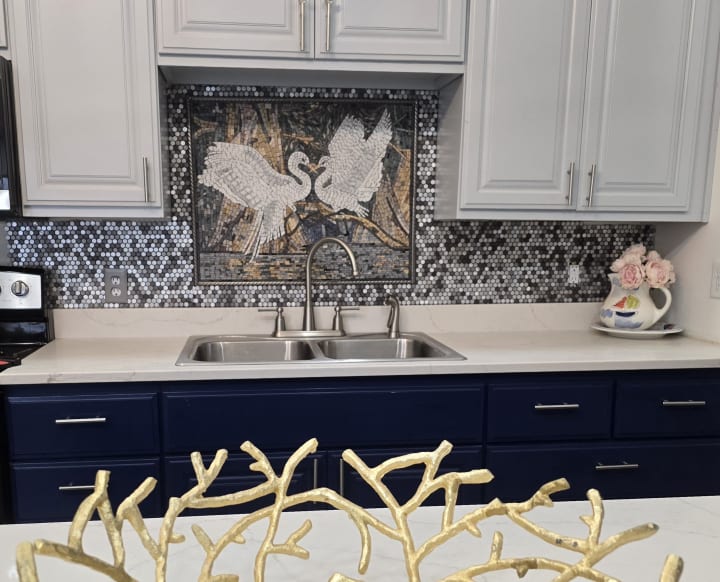
No discussion of timeless backsplashes would be complete without mosaics. From ancient Roman baths to Mediterranean villas, mosaics have been used for thousands of years to bring artistry and storytelling into architectural spaces. In kitchens, mosaics carry this legacy forward, offering a way to infuse walls with personality, texture, and visual depth.
The beauty of mosaic designs lies in their infinite variety. Composed of small tiles made from glass, stone, ceramic, or even metal, mosaics can be arranged into intricate patterns or subtle gradients. They can serve as bold focal points or quietly textured surfaces, depending on color and arrangement. This flexibility is precisely what makes mosaics timeless: they are never confined to one era or aesthetic.
Durability is another reason mosaics endure. Because they are composed of many small tiles, they are highly resistant to cracking, and individual pieces can often be replaced without redoing the entire surface. Their grout lines add a degree of texture and grip that resists slipping or staining, particularly useful behind sinks and cooktops.
What distinguishes mosaic backsplashes most is their artistry. They allow homeowners to incorporate a handcrafted, bespoke element into the kitchen, something that feels deeply personal yet rooted in tradition. Whether composed of luminous glass pieces that catch the light or honed stone chips that add earthy depth, mosaics connect modern kitchens to an ancient decorative heritage. Their beauty is not tied to passing fads but to a universal human appreciation for pattern, texture, and craft.
Natural Stone
For homeowners who want their backsplash to evoke timeless elegance, natural stone has always been a coveted choice. Materials like marble, granite, and travertine bring the beauty of the earth into the kitchen, offering organic variation that no manufactured material can replicate. Each slab or tile carries unique veining, striations, and color shifts, turning the backsplash into a natural artwork that feels both sophisticated and grounded.
Marble, in particular, has been associated with luxury for centuries. Its cool tones and subtle veining lend a sense of refinement that elevates even the simplest kitchen design. Granite, with its granular texture and wide spectrum of colors, brings warmth and depth, while travertine offers a more rustic character with its weathered surface.
Durability is another hallmark of natural stone, though it comes with the caveat of maintenance. Marble can stain or etch if exposed to acidic substances, and travertine requires sealing to prevent absorption. Yet many homeowners embrace these imperfections, seeing them as part of the stone’s evolving story. Over time, natural stone acquires a patina that only enhances its character, ensuring that it never feels flat or sterile.
What secures natural stone’s timelessness is its permanence. Just as it has been admired in architecture for millennia, it continues to be admired in the home. Kitchens designed with stone backsplashes rarely feel beholden to trends; instead, they project a sense of stability, as though they have always belonged, and always will.
Glass
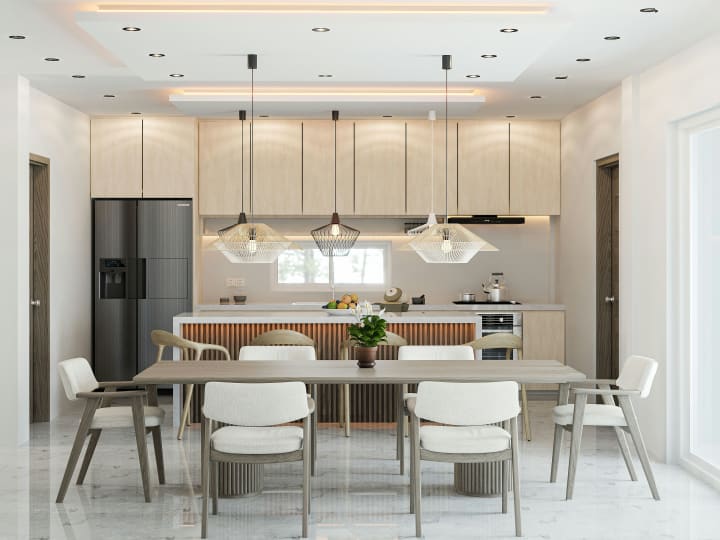
Glass may feel like a contemporary choice, but its use in kitchens spans decades, and its sleek qualities ensure that it remains as relevant in a mid-century modern space as in a new-build loft. The appeal of glass lies in its ability to reflect light and create an airy, luminous effect. In kitchens where space is at a premium, a glass backsplash can visually expand the room, lending brightness and clarity.
Glass backsplashes are remarkably versatile. They can appear in the form of small glass tiles, which shimmer like jewels under task lighting, or as large seamless panels for a minimalist, uninterrupted surface. Color options are endless, ranging from crystal-clear transparency to saturated hues or frosted finishes. This versatility allows glass to adapt across a wide spectrum of design aesthetics.
From a practical standpoint, glass is one of the easiest materials to clean. A quick wipe removes grease and splatters without leaving behind stains or residue. It is also impervious to heat, making it ideal for areas behind cooktops. Unlike natural stone, glass does not require sealing, and unlike painted walls, it does not fade or peel.
Its durability is paired with a sense of modern refinement. While glass can certainly play into bold design choices, its essential character is one of simplicity and light. This quality ensures that glass backsplashes do not look dated as trends come and go. They remain sleek, understated, and fresh—qualities that never lose their relevance in design.
Stainless Steel
For a backsplash that embodies both durability and a distinctive style statement, stainless steel has become a perennial favorite. Once associated primarily with professional kitchens, stainless steel has long since crossed into residential spaces, appreciated for both its practicality and its sleek, industrial aesthetic.
The timelessness of stainless steel is rooted in its functionality. It is impervious to heat, resistant to stains, and remarkably easy to clean. For serious home cooks, these qualities make it a practical solution, particularly in the high-traffic area behind the stove. Beyond functionality, stainless steel conveys a sense of precision and modernity. It pairs beautifully with everything from marble countertops to rustic wood cabinetry, offering a reflective quality that harmonizes with its surroundings.
Unlike some trend-driven materials, stainless steel has a design neutrality that ensures it can adapt to changing tastes. In a minimalist kitchen, it reinforces clean lines and understated elegance. In an eclectic kitchen, it adds a touch of industrial edge that balances warmth and texture. Its reflective sheen also bounces light around the room, adding to the overall sense of brightness and energy.
What makes stainless steel timeless is its dual identity. It is at once utilitarian and stylish, blending the rigor of professional kitchens with the sophistication of residential design. That balance—practical and chic—ensures its place as a backsplash material that transcends trends.
About the Creator
Tyler McKinsey
Experienced Writer & Editor
Keep reading
More stories from Tyler McKinsey and writers in Lifehack and other communities.
Outdoor Mosaic Installations: A Smart Investment for Increasing Property Resale Value
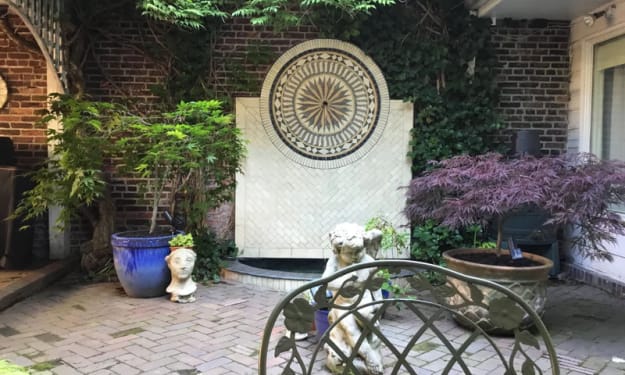
In today's competitive real estate market, property owners continuously seek innovative ways to enhance the appeal and value of their homes. An emerging trend in the search for elevated aesthetics and increased property value is the installation of outdoor mosaics. Beyond mere decorative elements, meticulously crafted mosaic installations have become powerful assets in the real estate world. By seamlessly blending artistry with functionality, outdoor mosaic installations have redefined curb appeal, making properties visually captivating and significantly more valuable. This transformative trend is exemplified by industry leaders like Mozaico, whose exceptional craftsmanship and innovative designs reshape how potential buyers perceive and value homes. As property owners recognize these mosaic masterpieces' allure and financial benefits, outdoor mosaic installations have become a key strategy in selling homes for a premium price.
By Tyler McKinsey2 years ago in Lifehack
You Won't Believe How Easy it is to Get 100,000 Miles Between Brake Jobs
Most drivers are destroying their brakes prematurely — and it has nothing to do with speed. As a Master Mechanic for 25 years, I’ve seen every driving style imaginable. And nothing reveals a driver’s habits faster than how often they need brake work.
By Jack Martinabout 13 hours ago in Lifehack



Comments
There are no comments for this story
Be the first to respond and start the conversation.