
The Spirit of Renewable Energy
A Sustainable Revolution


Title: The Spirit of Renewable Energy: A Sustainable Revolution
Introduction
In an era defined by environmental concerns, climate change, and the urgent need to transition away from fossil fuels, the spirit of renewable energy has emerged as a beacon of hope. Renewable energy sources, such as wind, solar, hydroelectric, and geothermal power, embody the promise of a sustainable future. They represent a transformation in the way we produce and consume energy, offering not only environmental benefits but also economic and social advantages. This article explores the essence of renewable energy, its impact on our world, and the spirit driving its widespread adoption.
The Roots of Renewable Energy
The concept of harnessing renewable energy sources dates back centuries. Early civilizations relied on windmills and water wheels to grind grain and perform various tasks. These rudimentary systems laid the foundation for the sophisticated renewable technologies we have today. However, it was only in the 20th century that renewable energy truly began to flourish.
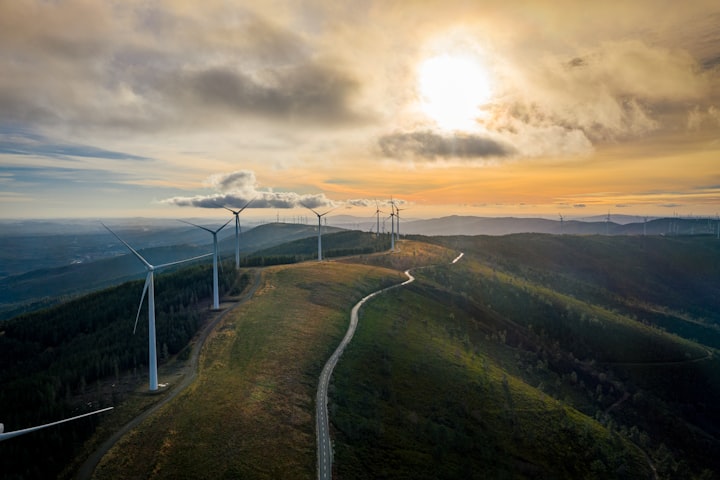
1. Wind Power: Wind energy, one of the oldest forms of renewable energy, has evolved significantly. Modern wind turbines capture the kinetic energy of the wind to generate electricity, and wind farms have sprouted across the globe, powering millions of homes.
2. Solar Power: Solar energy, captured using photovoltaic cells, has experienced tremendous growth. Solar panels are becoming increasingly affordable and efficient, making solar power accessible to homeowners, businesses, and even remote communities.
3. Hydropower: Hydroelectric dams have been generating electricity for over a century. While large dams remain vital sources of clean energy, innovations in small-scale hydropower and run-of-the-river systems are expanding its reach.
4. Geothermal Energy: Geothermal power taps into the Earth's internal heat to produce electricity and heat buildings. It is a steady and reliable source of energy, often underutilized but showing promise for the future.
The Environmental Imperative
The spirit of renewable energy is intrinsically tied to its environmental benefits. Unlike fossil fuels, renewable sources produce minimal greenhouse gas emissions and reduce our carbon footprint. By transitioning to renewables, we combat climate change, mitigate air pollution, and protect fragile ecosystems. Furthermore, renewable energy systems have a smaller ecological footprint, with minimal land and water usage compared to fossil fuel infrastructure.
Economic Prosperity
The renewable energy sector has also become a driving force in economic development. As investments pour into renewable projects, job opportunities are created, local economies are stimulated, and innovation thrives. In the United States, for example, the solar industry employs more people than coal, oil, and gas combined. The transition to renewables also reduces energy price volatility, providing financial stability to households and industries.
Energy Independence
Renewable energy sources offer nations a path to energy independence. By diversifying their energy mix and reducing reliance on imported fossil fuels, countries can strengthen their energy security. This not only safeguards against supply disruptions but also bolsters national sovereignty and geopolitical stability.
Community Empowerment
One of the most inspiring aspects of the spirit of renewable energy is the empowerment of local communities. Solar cooperatives, community wind projects, and decentralized energy generation enable individuals and neighborhoods to take control of their energy production. This decentralization fosters a sense of ownership and collective responsibility, creating a more engaged and environmentally conscious society.
Technological Advancements
Renewable energy technologies continue to evolve at a rapid pace. Breakthroughs in energy storage, grid integration, and efficiency improvements are making renewables even more viable and accessible. Battery technology, in particular, is crucial for storing excess energy from intermittent sources like wind and solar, ensuring a steady supply of electricity.
Challenges on the Horizon
While the spirit of renewable energy is strong, it faces challenges. Intermittency, grid integration, and energy storage are areas that require continued innovation. Additionally, the transition away from fossil fuels can be met with resistance from vested interests and economic hurdles. However, the undeniable benefits and growing global commitment to sustainability make these obstacles surmountable.
Conclusion
The spirit of renewable energy embodies our collective commitment to a sustainable future. It represents innovation, environmental stewardship, economic growth, and community empowerment. As we embrace renewable energy sources and transition away from fossil fuels, we are not just adopting a new way of producing power; we are ushering in a profound transformation in the way we live, work, and interact with our planet. Renewable energy is not just a technological revolution; it is a testament to the human spirit's capacity to rise to the challenges of our time, securing a brighter and more sustainable tomorrow.
About the Creator
chandra refinery
Explore new things
Keep reading
More stories from chandra refinery and writers in Lifehack and other communities.
Harnessing the Power of Green Energy
Title: Harnessing the Power of Green Energy: A Sustainable Future Introduction In a world increasingly concerned about the environmental impact of traditional energy sources, the spotlight has turned to green power as the key to a sustainable future. Green power, derived from renewable and environmentally friendly sources, offers a promising solution to the challenges posed by climate change and the depletion of fossil fuels. In this article, we will explore the various forms of green power, their benefits, and their role in shaping a cleaner and more sustainable world.
By chandra refinery2 years ago in Earth
7" Simple Daily Habits that can change your life
7 Simple Daily Habits That Can Change Your Life Life can often feel overwhelming. With endless responsibilities, constant notifications, and the pressure to succeed, it’s easy to lose track of what really matters. But the good news is, making small, consistent changes in your daily routine can have a huge impact on your overall well-being, happiness, and productivity. Here are seven simple daily habits that, if practiced consistently, can truly change your life. 1. Wake Up Early
By Kawtar Aithammouabout 6 hours ago in Lifehack
How Big Game Hunting in Namibia Supports Wildlife Conservation
Namibia is widely recognized as one of Africa’s greatest wildlife conservation success stories. Unlike many countries where wildlife populations have declined, Namibia has seen steady growth in key species such as elephant, black rhino, lion, and plains game. A major reason behind this success is the country’s carefully regulated big game hunting namibia model, which directly supports conservation, habitat protection, and rural livelihoods.
By Aru Game Lodges 5 days ago in Lifehack



Comments
There are no comments for this story
Be the first to respond and start the conversation.