
The Science of Tree Trimming: Why and How
Pruning Perfection: A Guide to Healthy Trees
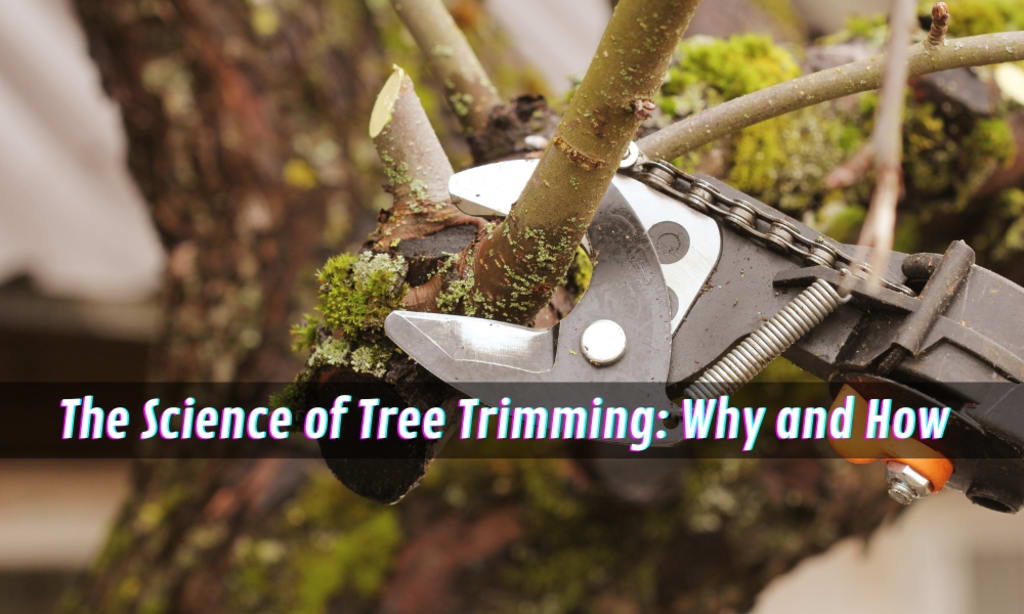
Imagine there's a gum tree with towering, stretching branches reaching for the sky, but they are shady on a hot summer's day, giving you welcome relief. But then imagine if those branches were overgrown, weak, or posed a threat to your property. That is where the science of tree trimming comes in. Professional tree trimming services in Melbourne are crucial in keeping your trees healthy and safe. Knowledge of the science behind tree trimming will help you decide how to care for your trees correctly.
The science behind tree trimming
Trees, like any other living organism, possess complex systems and functions that serve to sustain them. Pruning, among the different forms of tree trimming, can also considerably affect these systems. In fact, by selectively removing different branches, arborists can influence the growth, shape, and overall health of the tree concerned.
Understanding tree physiology
- Apical dominance: The leader of a tree, which is the primary stem, releases hormones that usually check the growth of side branches. Pruning can redirect growth and balance the shape of trees.
- The compartmentalisation of decay in trees: Trees have an innate defence mechanism to seal damage. Proper pruning techniques can limit the spread of decay in trees.
Impact of pruning on tree health
- Stimulation of growth: Pruning can stimulate new growth by removing the old or infected parts of the tree.
- Minimisation of stress: Overgrowth or damaged parts in trees cause a lot of stress, making them vulnerable to diseases and pests.
- Indirect enhancement of light penetration: Pruning can enhance light penetration. It removes too many leaves, enhancing sunlight penetration into the internal parts of the tree, hence better growth.
Significant benefits of regular tree trimming
Proper tree trimming will significantly boost the health, safety, and aesthetic value of your property. Knowledge of the various benefits prepares them to make judgments regarding the care of their trees.
- Healthy tree life: Pruning will reduce the possibility of diseases, insect attacks, and structural damage. Pruning also reduces dead, diseased, or damaged branches, which, in turn, reduces decay and promotes new growth.
- Improved property appraisal value: Healthy and well-trimmed trees make a difference in property value. A landscape property appeals plenty when it is sold.
- Reduced risks to properties and people: Large and brittle limbs pose a considerable risk to both your properties and people. By removing dangerous limbs, you minimise the chances of accidents and damage to properties.
- Improved beauty value: Pruning improves your landscape's beauty value. Pruning the trees into desired shapes and removing unwanted growth around the area gives it an appealing general appearance.
Common tree trimming techniques
Arborist encompasses a delicate art that can only be achieved through an intense understanding of tree physiology and growth patterns. Follow these tree care tips and techniques to create shape, improve the health and protection of your exceptional trees or plants, and mitigate potential risks.
- Crown reduction: Aims to reduce the general size of a tree's crown. Reducing larger branches enhances the tree's weight, making it less susceptible to windbreaks.
- Crown thinning: Focused on the selective removal of branches within the interior of the crown. This process enhances the penetration of light and improves air circulation within the canopy. Tree reduction reduces the prospect of an epidemic or infestation.
- Crown raising: Removing lower limbs to create space beneath the crown for pedestrian or vehicular passage or buildings. Raising the crown improves the tree's aesthetic characteristics, thus preventing property damage.
- Targeted pruning: Selective pruning is when the arborist targets removing specific branches to enhance the shape, health, and structure of the tree. It involves the careful selection and removal of some branches in order to correct imbalances, remove dead or diseased wood, and encourage growth on desired branches, such as frond removal for trees like palms.
When to trim a tree
The time to prune depends on numerous conditions, such as the species of the trees, the climate in your location, and particular objectives. However, it is advisable to avoid pruning during icy cold conditions or strong winds.
Seasonal consideration:
For most deciduous trees, winter is the appropriate season to prune since trees are mostly dormant. Pruning in this season can avoid stress on the tree and prevent infections.
- Spring: Some pruning can be done during the spring season; however, avoid pruning the fruit tree as this would harm the fruit.
- Summer: Prune the tree as little as possible. At times, it is preferable to skip heavy pruning during the peak vegetative seasons as it stresses the tree and also affects its ability to photosynthesise.
- Autumn: An excellent time to prune some trees, but never so late in the season that the fresh wounds created by pruning can expose the trees to disease during wet autumn months.
For most deciduous trees, winter is the appropriate season to prune since trees are mostly dormant. Pruning during this time will avoid stress on the tree and prevent infections. Remember to include stump removal to avoid pests that can damage your healthy tree.
Choosing a professional arborist
The hiring of a qualified arborist is a good investment for the health and safety of your trees. You should look for an arborist who has a combination of the following qualifications:
- Certification: An arborist may be certified after a rigorous form of training and testing.
- Experience: Proper decision-making in tree care comes with experience.
- Insurance: A professional arborist will have adequate insurance coverage over your property.
- Ethical practices: Choose an arborist who is ethical and attentive to the long-term health of trees.
Long-term benefits of expert tree care
From investing in quality tree care, you stand to benefit for centuries, from property value to quality air. There is so much to gain with proper tree maintenance. Next time you look up at the towering trees in your neighbourhood, remember the science behind their beauty and their importance in expert care.
About the Creator
The Hidden Traps in UK VAT That Cost Small Businesses Thousands
Every year, thousands of UK small businesses face unexpected tax bills, penalties, and sleepless nights over VAT mistakes they didn't even know they were making. The numbers tell a sobering story: HMRC issued over £800 million in VAT penalties in 2023 alone, with small businesses bearing a disproportionate share of that burden.
By Saifullah Awan 26 days ago in Lifehack




Comments
There are no comments for this story
Be the first to respond and start the conversation.