
The Role of Occupational Therapy in Supporting Children with Learning Disabilities
Helping children thrive with Occupational Therapy (OT)

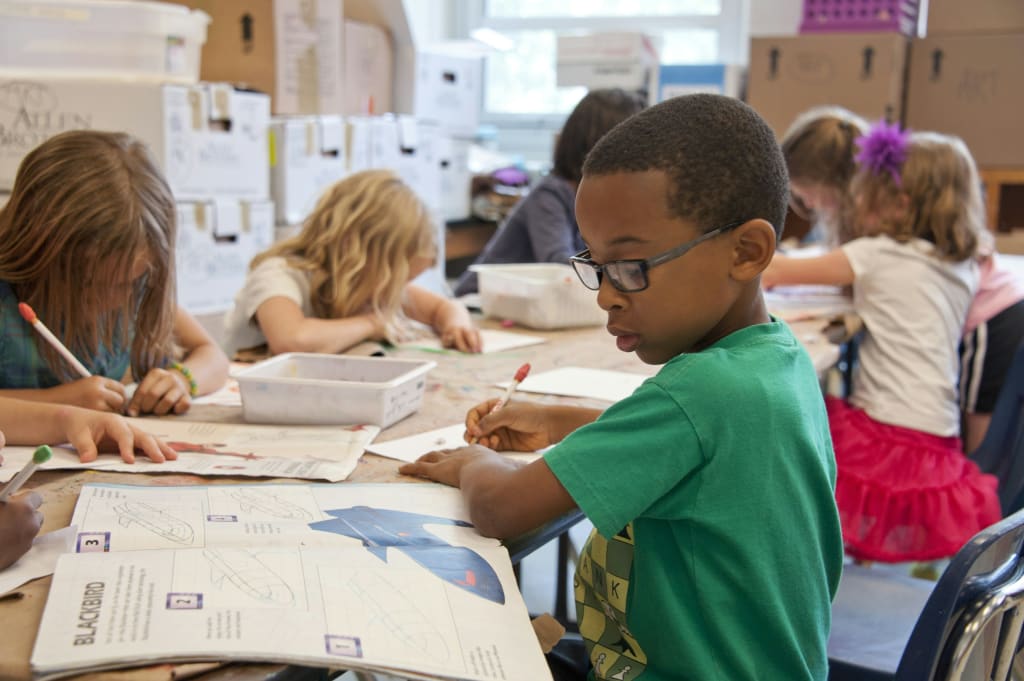
Introduction to Occupational Therapy
Occupational Therapy, also known as OT, can play an important role in supporting any child with disabilities. Whether a child struggles with cognitive, physical, or sensory challenges, OT can enhance their abilities and skills while improving their quality of life. There are many OT techniques and evidence-based methodologies that can foster the independence and skill development that children with disabilities often struggle with. Follow along to explore some of the most effective solutions.
Unlock Independence Through OT
Occupational Therapy can target the specific needs of each child individually. When they can concentrate on that skill’s development, they can engage more fully in other activities where that skill is essential, allowing them to feel more independent.
They can expect an enhanced quality of life through improved emotional regulation and socialization. OT can help boost self-esteem and mental well-being enough to improve the family dynamics of a child with developmental disorders. Furthermore, they can benefit from skill development that focuses on both fine and gross motor functions essential to self-care tasks. Prioritizing movement control can help children with feeding, bathing, and dressing themselves.
Child Development & Occupational Therapy
The most effective Occupational Therapy interventions are those that address every aspect of a child’s life for a more holistic, evidence-based approach. If a child struggles with learning disabilities, personalized plans that address their unique needs can range from personal self-care practices to sensory integration and cognitive functioning exercises. Blending specialized therapies, including behavioral interventions and social skills training, with skills training can help children better manage interactions with others, foster communication, and enhance social confidence.
More importantly, Occupational Therapy is essential for helping children with developmental disabilities practice the coping strategies they need to navigate their specific challenges, whether sensory, emotional, or otherwise.
Family Care in Collaboration with OT
Occupational Therapy sessions alone are not enough to transform the life of a child with special needs. OT requires deliberate and continuous feedback from the child’s family. Parents can help monitor the skills children learn in therapy, reinforcing the learning at home and enhancing development—one of the most effective ways to support a child with learning disabilities. They also provide invaluable feedback about a child’s progress, allowing therapists to adjust interventions to more closely meet their needs.
The Main Focus for OT Therapists
Because Occupational Therapists are devoted to enhancing a child’s development and overall well-being, they nurture personal growth and mental health. While plans are personalized, they’re often developed to enhance essential skills through meaningful exercises that relate to everyday activities and interactions. There are several key areas that many children require assistance to develop, including:
- Motor Skills: These are activities that prioritize movement to help children enhance fine and gross motor skills. Some exercises may include writing or manipulating objects, while others explore balance and coordination.
- Social Skills: Children will engage in play-based exercises that help them better understand social cues. Over time, children working on these skills can improve interactions with peers, siblings, and parents.
- Emotional Skills: Frustration, anger, and anxiety are just a few of the negative emotions that children need to learn to understand and process. With OT strategies for emotional regulation, they can develop emotional maturity.
In Occupational Therapy, all of these exercises are conducted simultaneously to integrate every aspect of a child’s life into their treatment plan. As therapists follow a child’s progress, they may modify their treatment plan with more or less of certain activities depending on where they need to improve.
Supporting Children in the Long Term
While Occupational Therapy can have great short-term benefits, research shows that OT can also support children in the long term. Children with exposure to Occupational Therapy require less therapy over time because of the independence and confidence OT skills provide. They also utilize their improved communication skills and enhanced cognitive development to do better socially and academically. With this extra support from OT, children with disabilities enjoy access to assistive tools and developmental modalities directly related to their needs.
How to Equip Children for Future Success
Occupational Therapy strives to prepare children with disabilities for the future. There are two critical avenues through which OT approaches this challenge:
Skill Mastery: As previously discussed, OT places heavy focus on helping children master the skills they need for all sorts of daily activities. These customized interventions help them develop motor skills, coordination, and balance that improve their physical abilities. These exercises change and evolve as the child masters them, leading to more complex movements and interventions as they progress.
Adaptive Resources: Being able to adjust and adapt to any situation isn’t always a matter of physical or cognitive development. Sometimes, specialized tools are necessary. A child’s independence may hinge on Text-to-Speech technology, FM systems for hearing loss, and mouth-based external controls for the physically challenged. These adaptive tools can be placed in the home and at school to provide the resources a child needs to succeed.
Overall Benefits of Occupational Therapy
The preferred outcome of Occupational Therapy for children with disabilities is skill development that extends beyond the basics and can be applied to new situations as they arise. Each skill, tool, and intervention is designed to help these children achieve their full potential — wherever they’re at. Through personalized plans and unique goals as the cornerstone of their support, children in OT can expect to gain some measure of independence and a better quality of life.
If you’re interested in integrating Occupational Therapy into your children’s programs at schools, residential treatment centers, or other types of institutions, you’ll need the support of OT courses online. Discover how you can change a child’s life through Occupational Therapy when you start learning today.
About the Creator
Tiffany Young
Tiffany Young can usually be found watching her favorite Twitch streamers, playing Breath of the Wild, or binging the latest Netflix original. She enjoys writing about everything from vintage vinyls to nerdy collectibles.
Keep reading
More stories from Tiffany Young and writers in Lifehack and other communities.
5 Part-Time Side Hustles That Can Become a Career
Starting a part-time side hustle is a great way to increase income and make the most of your time outside your day job. Today, there are plenty of available options for growing your career in unique ways. Many of these part-time gigs can even snowball into lucrative careers, allowing you to redirect your potential toward maximum growth.
By Tiffany Young3 years ago in Lifehack
How AI-Native Browsers are Redefining Digital Freedom and Productivity in 2026
The Evolution of the Modern Browser By 2026, the concept of a web browser has expanded far beyond its original purpose of simply loading web pages. Over the past decade, the internet has evolved into a highly dynamic environment where users manage businesses, automate workflows, and interact with complex digital ecosystems directly from their browsers.
By Shahid Sipra5 days ago in Lifehack




Comments
There are no comments for this story
Be the first to respond and start the conversation.