
The role of industrial packaging in reducing supply chain disruptions
Industrial packaging plays a crucial role in supply chain management and ensuring the seamless movement of goods from manufacturers to end-users.

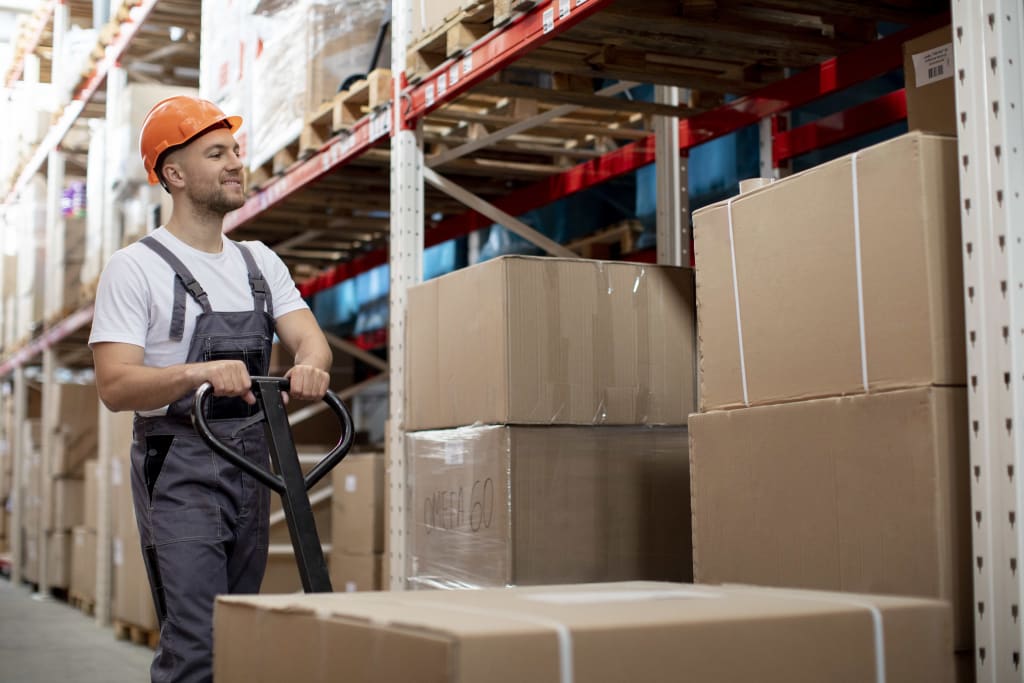
Industrial packaging plays a crucial role in supply chain management and ensuring the seamless movement of goods from manufacturers to end-users. Effective solutions go beyond merely containing products; they serve as a protective barrier, a communication tool, and a critical component in optimising logistics. For businesses, understanding this multifaceted role can significantly reduce supply chain disruptions, ensuring product integrity, minimising damage and enhancing overall logistics efficiency.
Ensuring product protection
One of the primary functions of industrial packing is to protect items from various forms of damage. During transit, goods are exposed to a myriad of risks, including physical impacts, environmental conditions and contamination. Effective wrapping serves as the first line of defence against these threats.
Physical protection: Packaging is designed to withstand the rigours of transportation, handling, and storage. Robust materials, such as corrugated cardboard, plastics, and metal, provide a sturdy barrier against physical impacts. Cushioning materials like foam, bubble wrap, and air pillows further absorb shocks and vibrations, safeguarding delicate and fragile items.
Properly designed coverings also prevent product movement within a container, reducing the risk of damage caused by shifting during transit. Custom inserts, dividers, and padding can secure items in place, ensuring they arrive at their destination intact.
Environmental protection: Products are often subjected to varying environmental conditions, such as temperature fluctuations, humidity, and exposure to chemicals. The right packing can mitigate these risks by incorporating protective features. For instance, moisture-resistant materials and desiccants can prevent damage from humidity, while insulated packaging can maintain temperature-sensitive items within a safe range.
Additionally, packaging with barrier properties can shield products from dust, dirt, and other contaminants, preserving their quality and safety. By addressing these challenges, businesses can ensure that their goods remain in optimal condition throughout the supply chain.
Reducing damage during transit
Damage to goods whilst in transit is a significant contributor to delivery disruptions. Damaged products lead to delays, increased costs, and customer dissatisfaction. Protective packaging plays a crucial role in reducing this, thereby minimising disruptions.
Impact resistance: Industrial strength wrapping is engineered to withstand the impacts and stresses encountered during transportation. This includes the ability to absorb shocks from drops, collisions, and rough handling. Design engineers utilise various techniques and materials to enhance impact resistance, such as reinforced corners, double-walled containers, and shock-absorbing inserts.
Vibration control: Vibrations during transportation can cause significant damage to products, especially sensitive electronics and machinery. Well constructed packing can mitigate this damage through the use of cushioning materials and damping technologies. Foam inserts, rubber gaskets, and suspension systems can isolate goods from hazards, ensuring they remain undamaged during movement.
Load stability: Proper load stability is essential to prevent products from shifting or collapsing during transit. Optimal casing solutions include techniques to enhance this stability, such as stretch wrapping, strapping, and palletising. By securing items and maintaining load integrity, these methods reduce the risk of damage and improve the supply chain reliability.
Improving logistics efficiency
Beyond protecting products, well designed packaging plays a vital role in optimising logistics efficiency. Efficient wrapping can streamline operations, reduce costs, and enhance supply chain visibility, contributing to smoother and more reliable processes.
Space optimisation: Effective packaging maximises the use of available space, both within individual containers and during transport. By optimising dimensions and configurations, businesses can reduce the number of shipments required, lower transportation costs, and minimise storage space. Space-efficient solutions also facilitate easier handling and loading, further improving logistics efficiency.
Standardisation and compatibility: Standardised packing solutions ensure compatibility with various handling and transportation systems, such as forklifts, conveyors, and automated systems. This reduces the risk of disruptions caused by mismatched packaging and equipment. This also simplifies inventory management, making it easier to track and organise products throughout the supply chain.
Streamlined handling: Industrial wrappers can enhance handling efficiency through ergonomic design and intuitive features. Easy-to-open options, clear labelling, and built-in handles improve the speed and safety of processes, reducing the risk of errors, delays, and injuries, contributing to a safer and more productive supply chain.
Enhanced traceability: Packaging can play a significant role in enhancing supply chain visibility and traceability. By incorporating technologies such as barcodes, RFID tags, and QR codes, businesses can track products in real-time, monitor their condition, and identify potential issues promptly. This proactive management reduces the likelihood of disruptions and facilitates faster resolution of any problems that arise.
By ensuring product protection, reducing damage during transit, and improving overall logistics efficiency, effective packaging can significantly mitigate supply chain disruptions. Businesses that prioritise these solutions can enjoy smoother operations, lower costs, and enhanced customer satisfaction.
For companies seeking to enhance their product containment strategies, partnering with experienced suppliers is essential. Packaging companies in Australia, for instance, offer a wide range of innovative and customised solutions designed to meet the unique needs of various industries. By leveraging their expertise, businesses can raise their processes and achieve greater resilience in their supply chains.
About the Creator
Amara Gomez
I am skilled in go-to-market strategy, product and consumer insights, messaging, demand generation, digital marketing (PPC, SEO, social, email, website, content, etc...) product marketing, customer advocacy, and content development.
Keep reading
More stories from Amara Gomez and writers in Lifehack and other communities.
Preventing burnout in high-stress industries: A comprehensive guide
Burnout has become a significant concern for both employees and employers in today’s fast-paced and increasingly demanding work environments, particularly within high-stress industries. It is a state of emotional, physical, and mental exhaustion caused by prolonged stress or frustration.
By Amara Gomez2 years ago in Lifehack
7" Simple Daily Habits that can change your life
7 Simple Daily Habits That Can Change Your Life Life can often feel overwhelming. With endless responsibilities, constant notifications, and the pressure to succeed, it’s easy to lose track of what really matters. But the good news is, making small, consistent changes in your daily routine can have a huge impact on your overall well-being, happiness, and productivity. Here are seven simple daily habits that, if practiced consistently, can truly change your life. 1. Wake Up Early
By Kawtar Aithammouabout 17 hours ago in Lifehack
How Big Game Hunting in Namibia Supports Wildlife Conservation
Namibia is widely recognized as one of Africa’s greatest wildlife conservation success stories. Unlike many countries where wildlife populations have declined, Namibia has seen steady growth in key species such as elephant, black rhino, lion, and plains game. A major reason behind this success is the country’s carefully regulated big game hunting namibia model, which directly supports conservation, habitat protection, and rural livelihoods.
By Aru Game Lodges 5 days ago in Lifehack




Comments
There are no comments for this story
Be the first to respond and start the conversation.