
The Role and Rights of Women in Society: Overcoming Discrimination, Violence, and Social Barriers
Why Equal Opportunities and Freedom of Choice Matter for Every Woman in Today’s World

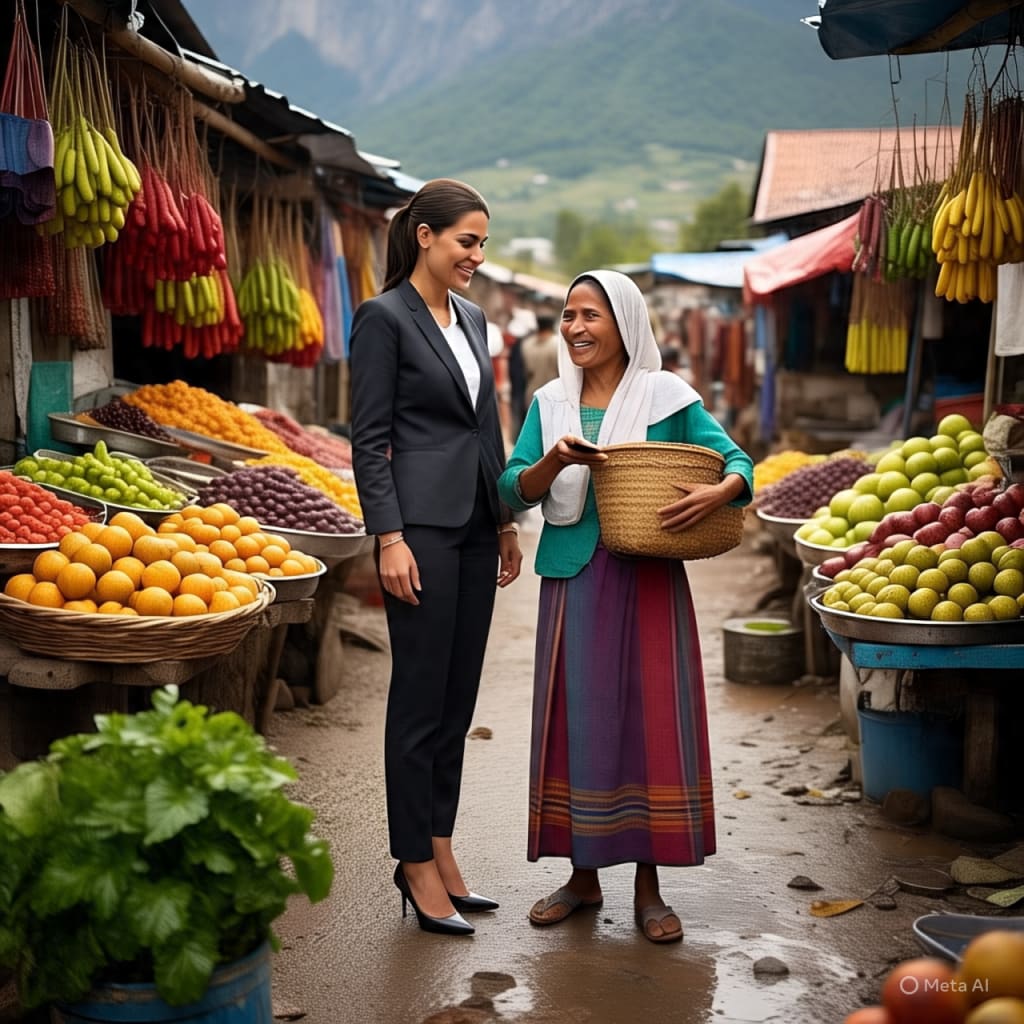
The Role and Rights of Women in Society: Challenges and the Way Forward
In every society, women play a vital role in building families, communities, and nations. Their participation in education, work, leadership, and culture is essential for progress. Yet, in many parts of the world, women still face discrimination, violence, and social barriers. Equal opportunities and freedom of choice are basic human rights, but women often struggle to enjoy them fully.
This article explores the rights and role of women, the challenges they face, and the steps needed to create a fairer world for all.
Women’s Rights: A Basic Foundation of Equality
Women’s rights include the right to education, healthcare, work, political participation, safety, and freedom of choice. These are recognized by international laws and agreements such as the Universal Declaration of Human Rights. However, in practice, millions of women do not receive these rights equally.
For example, in some regions, girls are still denied access to education. In certain areas of South Asia and Sub-Saharan Africa, families may prioritize sending boys to school while keeping girls at home. This not only limits a girl’s future opportunities but also holds back the progress of the entire community.
Discrimination Against Women: A Widespread Problem
Discrimination against women can take many forms. It may be open or hidden, legal or cultural. In the workplace, women often face unequal pay compared to their male colleagues. According to recent global reports, women still earn about 20% less than men for the same work in many industries.
Another example is the "glass ceiling" in leadership positions. Women are often overlooked for promotions or high-level roles, especially in politics and corporate sectors. In some countries, laws still limit women’s ability to own property, open a bank account, or start a business without a male guardian.
Even in families, discrimination can occur. In some cultures, women are expected to stay silent in family decisions, while men take control. This limits a woman’s freedom and reinforces inequality from a young age.
Violence Against Women: A Global Concern
Violence against women remains a major human rights violation worldwide. It includes domestic violence, sexual harassment, assault, and harmful traditional practices such as child marriage and female genital mutilation (FGM).
One of the most common forms is domestic violence. According to the World Health Organization (WHO), one in three women globally has experienced physical or sexual violence in her lifetime, mostly by an intimate partner. Many women suffer in silence due to fear, shame, or lack of support services.
Sexual harassment at work or in public spaces is another serious issue. Women often face unwanted advances or offensive comments, which can cause emotional harm and discourage their participation in society.
Freedom of Choice: A Right That Should Not Be Denied
Freedom of choice means that women should be able to make decisions about their own lives. This includes choices about education, career, marriage, and having children.
Sadly, many women still lack this basic right. For example, in some cultures, girls are forced into marriage at a very young age, without their consent. In other cases, women are pressured to stay at home rather than pursue higher education or a career. These practices not only violate women’s rights but also deny them the opportunity to contribute to society fully.
Equal Opportunities for Women: The Path to Progress
Ensuring equal opportunities for women is key to building a just and prosperous society. When women have the same access to education, jobs, and leadership roles as men, everyone benefits.
Governments, businesses, and communities can take steps to promote equality. For instance, companies can introduce fair hiring practices and equal pay policies. Schools can encourage girls to study fields traditionally dominated by men, such as science, technology, engineering, and mathematics (STEM). Governments can pass laws that protect women’s rights and support victims of violence.
Social Barriers Faced by Women: Breaking the Chains
Social barriers are invisible obstacles that prevent women from achieving their potential. These include stereotypes, cultural norms, and societal expectations.
For example, in many cultures, women are expected to be the primary caregivers and homemakers, even if they also work outside the home. This "double burden" can lead to exhaustion and limit career growth. In politics, women may face ridicule or lack of support simply because of their gender.
Additionally, media portrayal of women often reinforces harmful stereotypes. Women are frequently shown in passive or decorative roles, which can influence public attitudes and young girls’ self-image.
Moving Forward: Creating an Equal Society
Creating an equal society requires collective effort. Education is the first step. Teaching both boys and girls about gender equality helps build respect and understanding from an early age.
Laws must be strengthened and enforced to protect women’s rights. Support services for victims of violence should be widely available. Workplaces must promote diversity and inclusion. Finally, everyone — from families to governments — must challenge outdated attitudes and practices.
Women’s rights are human rights. When women are empowered and free to contribute fully to society, the entire world benefits. Together, we can create a future where every woman has the freedom, respect, and opportunities she deserves.
About the Creator
Saad
I’m Saad. I’m a passionate writer who loves exploring trending news topics, sharing insights, and keeping readers updated on what’s happening around the world.
How to Keep a Garage Warm in the Winter and Protect Valuable Tools
Cold garages create real damage. Tools break down faster, and finishes don't last. Winter doesn't have to put your garage out of action, but it definitely will if you let heat slip away and ignore moisture.
By Ryan Simonson3 days ago in Lifehack


Comments
There are no comments for this story
Be the first to respond and start the conversation.