
The Rise of AI-Powered Shopping Assistants
Remember the in-store associate who helped you find the perfect jacket, picked out matching shoes, and even suggested a better size—without being pushy

Remember the in-store associate who helped you find the perfect jacket, picked out matching shoes, and even suggested a better size—without being pushy?
Now imagine that assistant… lives on your phone. Works 24/7. Knows your style better than you do. And doesn’t just assist—but anticipates.
Welcome to the era of AI shopping assistants—intelligent, conversational, visual-savvy tools that are redefining the way we discover, evaluate, and buy products online.
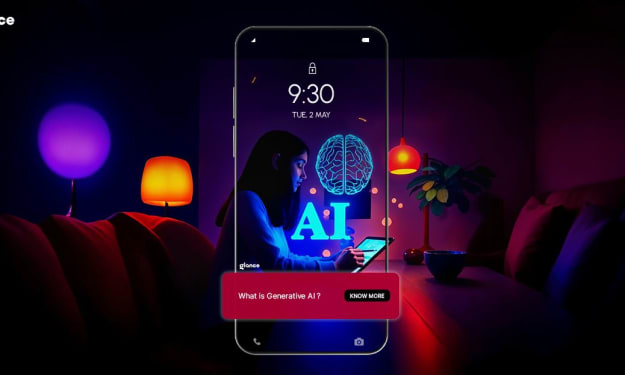
This isn’t just another tech trend. It’s a full-scale revolution in digital commerce—and platforms like Glance.com are at the heart of it, bringing assistant-style experiences straight to your mobile lock screen with AI-generated looks, predictive shopping flows, and tap-to-shop discovery.
In this blog, we’ll explore what makes AI shopping assistants so transformative, where the technology is heading, and how they’re quietly changing the expectations of millions of online shoppers.
(For the full context, don’t miss our AI Shopping Pillar Page—your ultimate guide to how AI is reshaping the ecommerce landscape.)
1. What Is an AI Shopping Assistant, Really?
An AI shopping assistant isn’t just a chatbot or a glorified FAQ bot. It’s a smart, interactive layer designed to replicate (and surpass) the role of a human personal shopper—across every step of the buyer journey.
Here’s what makes it work:
Conversational intelligence: Understands natural language, even in regional dialects or shorthand
Contextual awareness: Adapts suggestions based on behavior, device, time of day, or user mood
Visual integration: Uses image recognition, styling cues, and AR for try-ons or style pairing
Memory + learning: Remembers user choices over time and improves with every interaction
Whether it’s a chat-based assistant in your shopping app or a lock-screen look generator like Glance AI, the goal is the same: reduce effort, increase confidence, and make shopping feel like a conversation, not a task.
It’s not about tech. It’s about trust—and frictionless decision-making.
2. From Search Bars to Conversations: How AI Makes Shopping Feel Human Again
Think about your last online shopping experience. Did you type something awkwardly into a search bar, scan through 100 irrelevant results, and abandon your cart halfway through?
That’s the problem AI shopping assistants are solving—by turning search into conversation.
Instead of clicking filters for size, color, occasion, and price, you simply say:
“I’m looking for a lightweight jacket for travel that’s under ₹2500 and goes with sneakers.”
The AI parses your intent, filters the catalog, considers your style history—and surfaces exactly what you need, maybe even with styling suggestions and cross-sell options.
Glance.com is building toward this future with its persona-based lookbooks. You don’t input criteria. You just show up. The assistant handles the rest, serving AI-generated looks tailored to your face, preferences, and mood.
It’s not just more efficient. It’s emotionally intelligent. And that’s what today’s digital shoppers crave.
3. Visual + Verbal = The Ultimate Assistant Experience
The next wave of AI assistants isn’t just text-based—it’s multimodal.
What does that mean? You’ll:
Speak your need: “Show me festive outfits for a winter wedding.”
See AI-generated visuals: styled looks in a scrollable feed
Tap to shop, download, or save to lock screen—without a traditional product page
This fusion of voice, vision, and touch creates an immersive experience where the AI assistant becomes a trusted creative partner. You’re not browsing; you’re co-creating.
Glance AI is a prime example of this. It flips the usual UX by serving full fashion looks on your lock screen—not as product listings, but as editorial spreads. It’s fashion meets visual AI meets ambient commerce.
And the best part? You didn’t even need to ask. The assistant knows.
4. Always-On, Always-Adapting: Assistants That Learn You Over Time
The smartest AI shopping assistants don’t treat every session like a clean slate. They remember. They adapt. They evolve.
Imagine an assistant that:
Knows your size in three different brands
Adjusts recommendations based on recent returns or bad reviews
Suggests what you might need based on upcoming events in your calendar
Over time, these assistants don’t just help—they anticipate.
For example, if you tend to shop late at night and favor neutral tones midweek but go bold on weekends, your Glance AI lookfeed will adapt accordingly. Or if you saved a “holiday outfit” two weeks ago, you might get accessory suggestions this week—without ever asking.
This is predictive personalization at scale—and it’s where Glance.com is leading the charge, particularly for Indian audiences who value style, speed, and serendipity.
5. Bridging the Online-Offline Gap with AI-Enhanced Experiences
One of the biggest criticisms of ecommerce has always been: it’s not the same as trying things on in person.
But with AI shopping assistants, that gap is narrowing.
Here’s how:
AR try-ons show you how clothes, shoes, or makeup look on you, not a model
Smart fitting assistants recommend size and cut based on past orders and returns
Product simulators offer 360° views and style pairings in real-time
This level of guidance doesn’t just reduce returns. It builds purchase confidence.
For platforms like Glance, which are pushing mobile-native and camera-led shopping, the possibilities are endless. Imagine a future where your lock screen shows you in three festive looks, AI-styled and virtually try-on ready. You swipe, choose, and checkout—done.
No dressing rooms. No queues. No decision fatigue. Just clarity, powered by intelligence.
6. Trust, Transparency, and Ethical Assistant Design
Let’s get real: as AI assistants get smarter, users are starting to ask tougher questions.
“Why is this being recommended to me?”
“Is this in my best interest—or just higher margin for the brand?”
“What does this platform know about me?”
And rightly so.
That’s why ethical AI design is critical to the rise of shopping assistants. It’s not just about personalization—it’s about permission and respect.
Glance gets this right by:
Making onboarding transparent (via selfie and persona opt-in)
Letting users control their journey (download, skip, hide, share)
Never manipulating urgency or using dark UX patterns
The best AI assistants don’t trick you into buying. They empower you to choose—on your terms.
And in the future, trust will be the feature that matters more than speed or intelligence.
7. Case Studies: How AI Shopping Assistants Are Driving Real Results
The proof is in the performance. Let’s look at how AI shopping assistants are changing KPIs across the industry.
Shopify Magic
Enables merchants to auto-generate product descriptions and offer personalized messaging
Stores using AI saw up to 12% higher cart completion rates
H&M x Google Cloud
Launched AI assistant for personalized styling and size suggestions
Reduced return rates in test regions by 21%
Glance AI
Delivers AI-generated fashion looks via lock screen, styled by persona
Sees high engagement on “Add to Lock Screen” and product tile interactions
Users report higher emotional connection with looks vs. static ecommerce feeds
The takeaway? Assistants don’t just improve UX. They move numbers. They create stickiness. And they make platforms unforgettable.
8. What’s Next: Smarter, More Human, and Deeply Integrated
So what does the next chapter of AI shopping assistants look like?
Expect:
Emotion detection: Assistants that adapt tone and style based on facial expression or voice mood
Multilingual fluency: Hindi, Tamil, Marathi, Hinglish—shopping assistance in your language
Cross-platform continuity: Start a style convo on your lock screen, continue on TV, checkout on voice
Co-shopping assistants: Share a look with a friend, and the assistant styles both of you for a night out
In India especially, this evolution is inevitable. With over 700M mobile users and a fast-growing Gen Z audience craving style + substance, platforms like Glance.com are set to own this space—not as retailers, but as retail companions.
Conclusion: Assistants Aren’t Replacing Retail—They’re Redefining It
Here’s the thing. We don’t want robots to replace shopping. We want help. Guidance. Taste. Reassurance. And just a little magic.
AI shopping assistants aren’t taking the joy out of the retail journey. They’re putting it back in.
By removing clutter, adding context, and creating curated experiences that feel tailored—not targeted—they’re changing what we expect from ecommerce.
And platforms like Glance.com are proving that assistants don’t have to live inside apps. They can live on your lock screen. They can inspire before you even realize you’re looking. They can suggest, remind, and delight—without asking anything in return.
Want to see the full system that’s powering this shift? Visit our AI Shopping Pillar Page to explore how Glance and others are leading the intelligent shopping movement.
Because the future of shopping?
It isn’t transactional.
It’s relational. And it’s already here.
About the Creator
Twiddling Your Thumbs: A Simple Habit That Offers Surprising Mental Health Benefits
Thumb twiddling has emotional benefits “Twiddling your thumbs” is an expression that means someone is doing nothing while passing the time away, or they are feeling bored or waiting. The phrase suggests wasting time or idleness but this simple repetitive motion of interlocking fingers and moving the thumbs together in a circular pattern is a self-soothing behavior that psychologists recognize as potentially beneficial for mental health well-being.
By Cheryl E Prestonabout 17 hours ago in Lifehack



Comments
There are no comments for this story
Be the first to respond and start the conversation.