
The Power of Public Art: How Murals, Sculptures, and Installations are Transforming Communities
Exploring the Impact of Art in Public Spaces
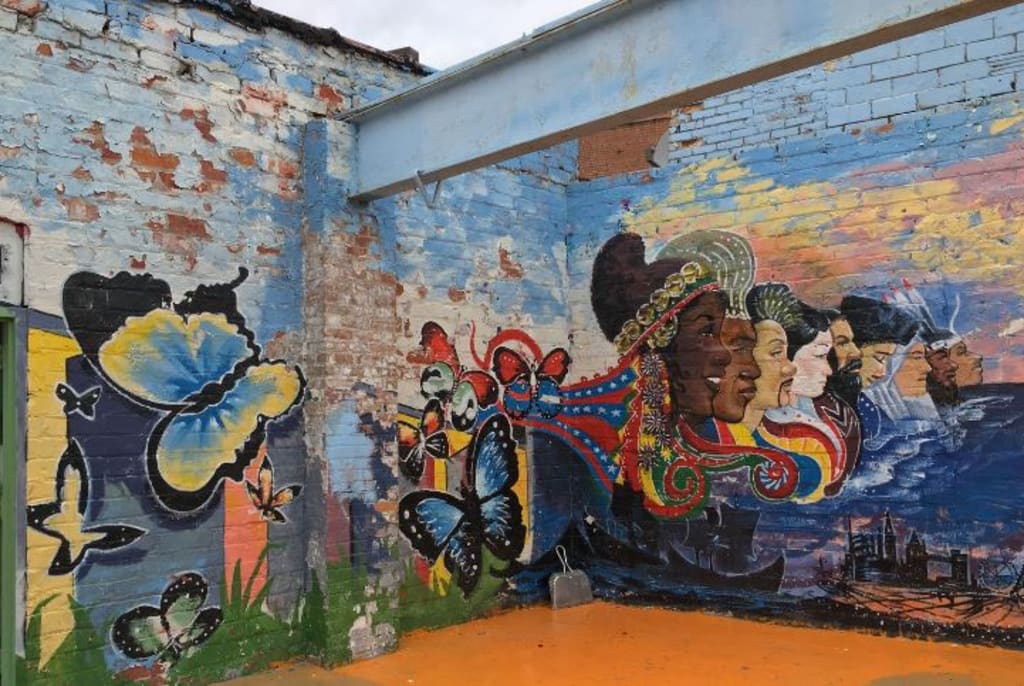
Public art has the power to transform a community by creating a sense of identity, pride, and unity. It can enhance the aesthetic appeal of a place, and its presence can spark conversations, create opportunities for reflection, and inspire people to come together. In this blog, we will explore the power of public art and how murals, sculptures, and installations are transforming communities around the world.
Public art is more than just a decoration for public spaces. It has the power to convey important messages, spark conversations, and inspire social change. Whether it's a mural, sculpture, or installation, public art has the ability to transform the way we interact with and experience our communities. We will delve into the transformative power of public art and how it can create a sense of identity, pride, and unity within communities.
Murals
Murals are large-scale paintings that are often created on walls, buildings, or other surfaces in public spaces. They have become increasingly popular in recent years as a way to beautify communities and promote social change. Murals can be used to convey important messages, celebrate local history and culture, and raise awareness of social issues.
One example of the power of murals is the transformation of the Wynwood neighborhood in Miami, Florida. Once a run-down industrial area, Wynwood is now a vibrant arts district known for its colorful murals. The Wynwood Walls project began in 2009 with the goal of revitalizing the neighborhood through art. Today, the area is a popular tourist destination, and the murals have become an integral part of its identity.
Sculptures
Sculptures are three-dimensional artworks that can be created from a variety of materials, including stone, metal, wood, and clay. They can be installed in public spaces such as parks, plazas, and streets, and can serve as landmarks, focal points, or symbols of a community's values and beliefs.
The Charging Bull sculpture in New York City's Financial District is a prime example of how a sculpture can become a symbol of a community's identity. Created by artist Arturo Di Modica, the sculpture was installed in 1989 without permission as a symbol of strength and resilience in the wake of the stock market crash of 1987. Today, the Charging Bull is one of New York City's most iconic landmarks and a symbol of the city's financial prowess.
Installations
Installations are artworks that are created specifically for a particular space or site. They can be temporary or permanent, and can include a wide range of media, including sculpture, video, sound, and performance. Installations can create immersive environments, engage the senses, and transform the way people experience a space.
The Solar Reserve installation in Nevada's desert is a powerful example of how an installation can create a sense of wonder and awe. Created by artist John Gerrard, the installation consists of a virtual rendering of a solar power plant that is projected onto a large screen in the middle of the desert. The installation is powered entirely by solar energy, and its presence in the desert landscape serves as a reminder of the potential of renewable energy to transform our world.
Conclusion
Public art has the power to transform communities in profound ways. It can create a sense of identity and pride, spark conversations, and inspire people to come together. Murals, sculptures, and installations are just a few examples of the types of public art that can have a transformative effect on a community. By investing in public art, communities can create vibrant, welcoming spaces that reflect their values and aspirations, and help to shape a better future for all.
About the Creator
Keep reading
More stories from Eazy Practiz and writers in Lifehack and other communities.
How to Keep a Garage Warm in the Winter and Protect Valuable Tools
Cold garages create real damage. Tools break down faster, and finishes don't last. Winter doesn't have to put your garage out of action, but it definitely will if you let heat slip away and ignore moisture.
By Ryan Simonson3 days ago in Lifehack
Yoga Brisbane and the Rise of Consistent Practice in a High-Pressure City
Brisbane has changed significantly over the past decade. Once seen as a slower-paced alternative to Australia’s larger capitals, the city now carries many of the same pressures found elsewhere: demanding workloads, blurred boundaries between professional and personal time, constant connectivity, and a strong expectation to keep moving forward. In this environment, wellbeing has shifted from an abstract ideal to a practical concern. For many residents, Yoga Brisbane has become less about novelty or fitness trends and more about building consistency in a city that rarely slows down.
By Rochelle Martinezabout 12 hours ago in Lifehack




Comments
There are no comments for this story
Be the first to respond and start the conversation.