
The Power of Money: How Wealth Shapes Our Lives
How Wealth Shapes Choices, Lifestyle, and Mental Well-Being

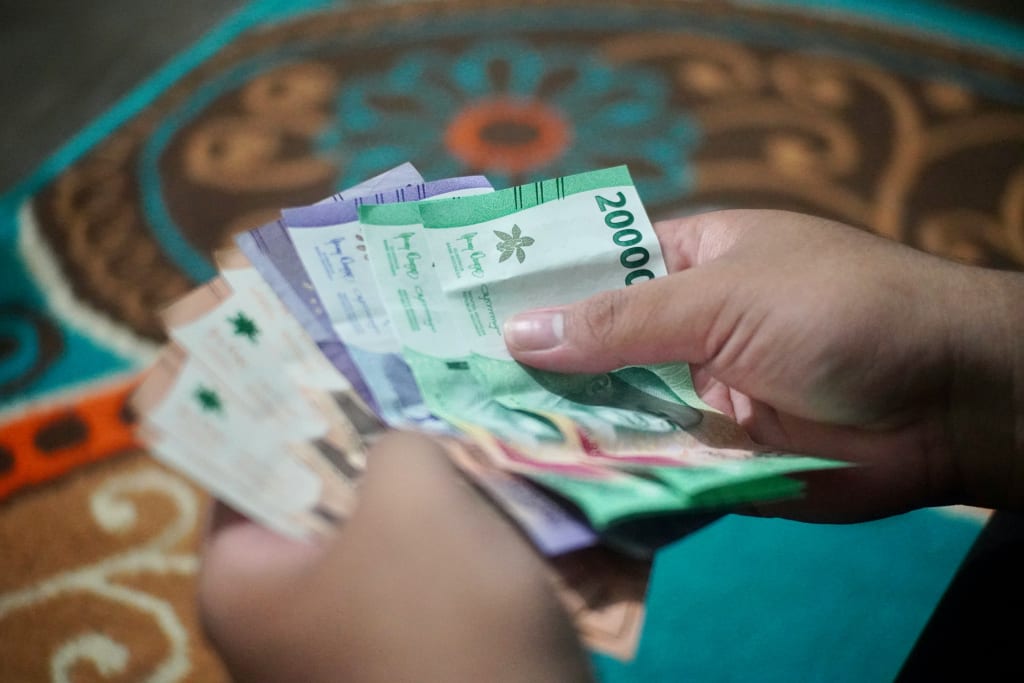
Money is more than just currency. It is a force that influences our decisions, molds our behaviors, and even shapes our emotions. From childhood, we learn its value: allowance teaches saving, gifts teach spending, and the contrast between wanting and having sparks ambition. But as we grow, the impact of money becomes far more profound—it doesn’t just fill wallets; it changes the very way we live.
Take Sarah, for example. In her early twenties, she lived paycheck to paycheck, constantly worrying about rent, groceries, and bills. She often said yes to jobs she didn’t like simply because she needed income. Stress weighed heavily on her, affecting her sleep and relationships. Her mental health suffered, not because of what she lacked in life, but because of the financial insecurity that dictated every decision she made.
Contrast Sarah’s life with her childhood friend, Raj. Raj grew up in a financially secure household. While he still faced challenges, he had the freedom to explore his passions, travel, and take calculated risks. The difference in lifestyle was evident. Raj could focus on building experiences and skills, whereas Sarah was constantly navigating survival. Money had amplified their opportunities and shaped their behaviors in ways neither fully realized at the time.
Money also has a subtle but significant effect on personality. People with financial abundance may develop confidence, independence, or even assertiveness in social situations. They may take risks others cannot, whether it’s starting a business, moving to a new city, or investing in personal growth. But there’s a flip side. Wealth can sometimes amplify negative traits: greed, envy, or excessive competition. Social dynamics shift—friendships may change, relationships may face pressure, and even casual interactions can be influenced by financial differences.
Lifestyle is another area where money leaves its mark. Access to better housing, healthcare, education, and leisure activities is a privilege money affords. It allows people to enjoy experiences, travel, or adopt hobbies that may seem out of reach to those struggling financially. Yet, lifestyle inflation—the habit of spending more as income rises—can create its own stress. People often find themselves in a constant chase, trying to match social expectations or maintain a certain image. Even when basic needs are met, money can still dominate attention and dictate decisions.
Perhaps the most profound effect of money is on mental health. Financial insecurity is one of the leading causes of stress, anxiety, and depression. The fear of not having enough, of unexpected expenses, or of losing stability can be overwhelming. On the other hand, financial security provides a sense of freedom and peace of mind. But even those with wealth are not immune—worries about investments, social comparison, or maintaining status can lead to mental strain. Studies show that money improves happiness primarily when it addresses basic needs; beyond that, its impact is subtle but undeniable, influencing how we perceive security, freedom, and personal fulfillment.
Ultimately, money is not inherently good or bad. It is a magnifier—it reflects our priorities, values, and choices. Conscious use of money, mindfulness about spending, and focusing on experiences and relationships rather than possessions can enhance well-being. Conversely, obsession with wealth or constant comparison can erode happiness and strain mental health.
For Sarah, the turning point came when she started budgeting, prioritizing what truly mattered, and seeking opportunities for growth rather than just income. She discovered that while money could relieve stress, it was her choices and mindset that truly shaped her life. Raj, on the other hand, continued to grow in his financial comfort but learned that wealth without purpose or connection could feel empty. Both stories illustrate that money, while powerful, is just one factor in the complex web of human behavior, lifestyle, and mental health.
Takeaway:
Money shapes the way we live, the choices we make, and even the way we feel. Recognizing its power allows us to use it wisely—securing our needs, enriching our lives, and maintaining mental well-being. In the end, it is not the amount of money we have, but how we relate to it, that determines its impact on our happiness
About the Creator
Nangyal khan
Housewife with a master's degree,writing to find meaning and peace.I believe every stage of life has purpose,and through my word, i hope to show how women can create space for growth,strength,and self-expression.
Keep reading
More stories from Nangyal khan and writers in Lifehack and other communities.
Light, Fresh, and Flavorful: Why Zucchini Pasta Deserves a Spot in Your Healthy Diet
If you’ve ever tried to clean up your meals or reduce carbs without giving up all the foods you love, you probably know the struggle: your heart says “pasta night,” but your body says “maybe not tonight.” That’s where zucchini pasta steps in—light, fresh, colorful, and comfortingly close to the real thing without the heaviness that usually follows a bowl of noodles. Zucchini pasta, often called “zoodles,” has become one of the easiest and most enjoyable ways to bring balance, nutrients, and flavor back into your meals. And the best part? It fits beautifully into almost any healthy lifestyle.
By Nangyal khan2 months ago in Lifehack
Top 10 Questions to Ask Every Perth NDIS Service Before You Engage Them
Choosing the right National Disability Insurance Scheme (NDIS) provider shapes the quality of care, independence, and outcomes a participant experiences. In Perth, families and participants face a growing number of service options, which makes informed decision-making essential.
By Anshul Vijay2 days ago in Lifehack
9 Foods You Should Never Eat Past the Expiration Date, No Exceptions
But certain foods cross a line where the expiration date becomes about more than just quality—it’s about safety. Eating past that line can expose you to dangerous bacteria, toxins, or nutrient loss you can’t see or smell. Knowing which foods to never push beyond their expiration dates is key to keeping your kitchen safe. Here are the nine foods that are not worth the risk.
By General gyana day ago in Lifehack




Comments
There are no comments for this story
Be the first to respond and start the conversation.