
The Ketogenic Diet: A Comprehensive Guide to Get You Started
The ketogenic diet has become very popular in recent years as it works to change the way your body uses energy. When you reduce your carbohydrate intake, your body produces ketones as an alternative source of energy. Reducing your carbohydrate intake and increasing fat intake forces the body to break down fats instead of carbs for energy. Therefore, a ketogenic diet is one that consists of high fat, moderate protein and low carbohydrates. The primary aim of this diet is to force the body into a state of ketosis so that you can start using fats as energy instead of glucose from carbs or sugars. The end result is that your body weight starts dropping as excess fats are excreted out and more fats are broken down for energy instead of glucose.
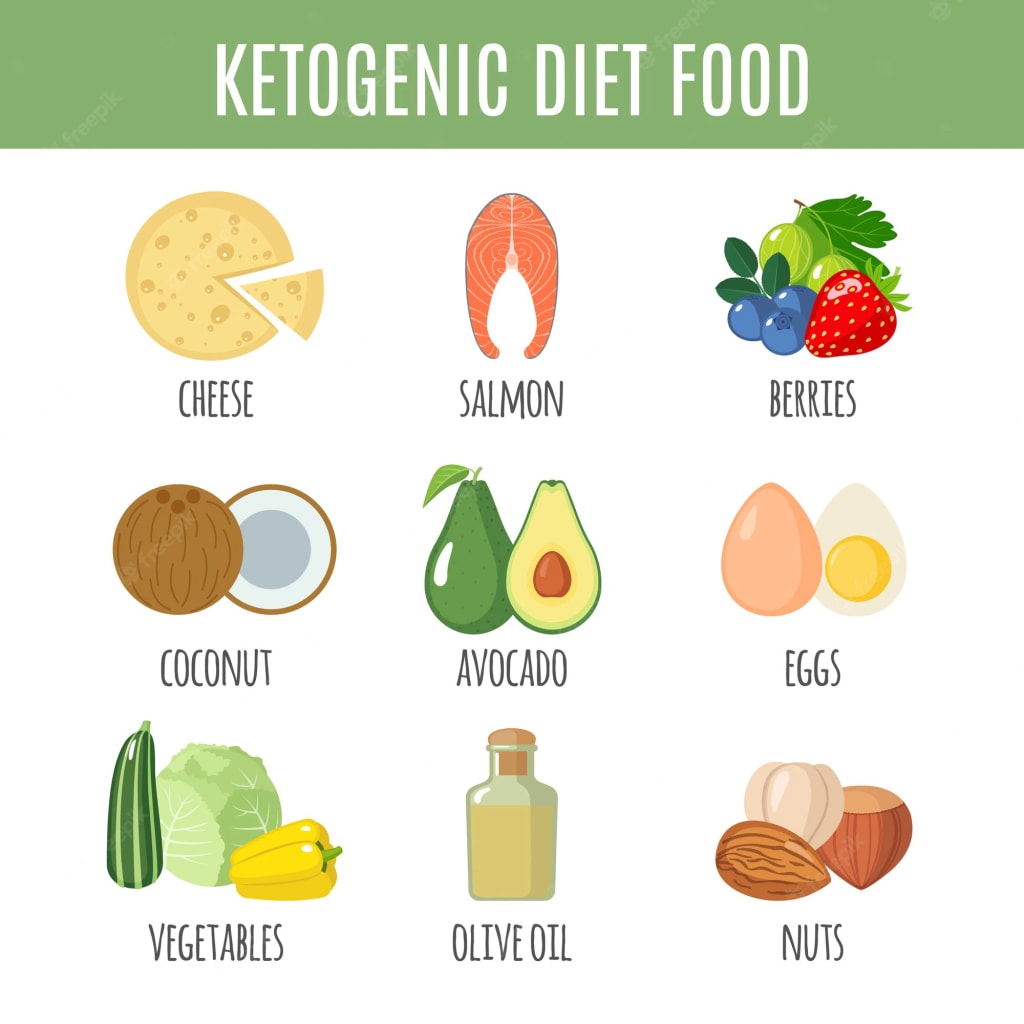
What is a Ketogenic Diet?
Ketogenic diets are very low-carbohydrate diets that were originally developed to help reduce the frequency of epileptic seizures in children who have uncontrolled epilepsy. As a result of reduced carbohydrate intake, the body’s metabolism is shifted towards fat utilization for energy which produces compounds known as ketones. A properly administered ketogenic diet promotes nutritional ketosis as a way to raise glucose levels in the body to encourage the body to produce enough energy to fuel the brain. The process of burning fats for energy instead of carbohydrates is called ketosis. The ketogenic diet is an extremely low-carb diet that is rich in fats. It is often used as a method of disease prevention, such as in the cases of type 2 diabetes, metabolic syndrome, neurodegenerative diseases, and obesity.
How Does the Ketogenic Diet Work?
The ketogenic diet works by restricting your carbohydrate intake to a very low level, while at the same time increasing fats and protein. As a result, the body is forced to resort to using fats as an alternative source of energy because there is no glucose available. When you consume carbohydrates, the body breaks them down into glucose and releases insulin to transport the glucose into cells in the body and different organs. The insulin is then responsible for removing excess glucose from the blood and storing it in the liver and muscle cells as glycogen. The glycogen stores are used for energy in the short term and are depleted as the day goes on. When the glycogen stores are depleted, the body will start breaking down body fat for energy. This is how the body processes carbohydrates and naturally stops it from being stored as fat.
Pros of the Ketogenic Diet
It can be used to treat epilepsy: The ketogenic diet has been used to treat epilepsy in children since the 1920s. It is one of the few diets that has been scientifically proven to reduce seizure frequency. It can be effective against diabetes: The ketogenic diet has also been shown to reduce blood sugar levels in people with type 2 diabetes. This can make it an effective tool to prevent the onset of type 2 diabetes. It has been proven to cause weight loss: In the long term, the ketogenic diet can help you lose weight and maintain that weight loss. It can improve insulin sensitivity: A ketogenic diet can also be used to treat or prevent metabolic diseases like metabolic syndrome and type 2 diabetes by improving insulin sensitivity. It can reduce risk of heart disease: The ketogenic diet has also been shown to reduce cholesterol levels, which can lower your risk of heart disease.
Cons of the Ketogenic Diet
It can be difficult to maintain: The ketogenic diet is very low-carb and high-fat. It can be very challenging to maintain this kind of diet for a long period of time since it can be difficult to find food choices that meet these dietary requirements. It can be challenging to get enough fibre: The ketogenic diet can limit your intake of fibre. High-fibre foods such as fruits and vegetables are very low in carbs and can be difficult to fit into a ketogenic diet. This can lead to reduced digestive health and might even increase risk of colorectal cancer. It may cause loss of muscle mass: It can be challenging for people to get enough protein on a ketogenic diet, especially if you’re exercising regularly. This can cause loss of muscle mass and overall reduced metabolic health. It may cause dehydration: The ketogenic diet can also reduce your water intake since high-fat foods can cause your body to excrete more water. This can lead to dehydration, which can be very dangerous.
How to Start a Ketogenic Diet?
The first step is to figure out your desired carbohydrate intake. This will help you determine the percentage of fat and protein you should be eating. A general rule of thumb is that you should be consuming around 5% of your daily calories as carbohydrates. This can vary based on your goals and current health. Next, you should be tracking your macronutrients. This means that you should track your daily calories, protein, fat and carbohydrate intake to see if they are in line with your goals. Finally, you should be increasing your fibre intake. Although the ketogenic diet will reduce your overall fibre intake, you can increase your fibre intake by adding high-fibre foods, supplements or increasing water intake.
Tips for succeeding with the Ketogenic diet
Track your calories, macronutrients and micronutrients. This will help you determine if you are getting enough fibre and vitamins and minerals. Make sure you are getting enough protein. This is critical to maintain muscles and prevent muscle loss. Make sure you are getting enough fibre. Eat more fibrous vegetables, seeds, beans and nuts. Incorporate fats into your diet. This will help you meet your daily fat needs. Avoid processed foods. They can be high in added sugars and other unhealthy ingredients. Incorporate intermittent fasting into your diet. This can help you burn fat and promote overall better health. Include a variety of foods into your ketogenic diet. This will help you meet your micronutrient and vitamin and mineral needs. Keep track of your progress. This can help you stay motivated and push you towards your goals.
Final Words
The ketogenic diet is an excellent way to change the way your body uses energy. It promotes nutritional ketosis as a way to raise glucose levels in the body to encourage the body to produce enough energy to fuel the brain. There are many health benefits associated with the ketogenic diet; however, it can be difficult to maintain. Make sure you track your calories, macronutrients and micronutrients to meet your needs and make sure you are getting enough fibre, protein, fats and vitamins and minerals.
About the Creator
Keep reading
More stories from Darian Naicker and writers in Lifehack and other communities.
Forgotten Packing Items That Make Port A Rentals Guest-Friendly
Stepping into a vacation rental should feel like a home away from home, with a clean space, cozy beds, and, perhaps, a great view to unwind. But sometimes, even the best-planned trips can be disrupted by an unexpected challenge when guests forget to pack a few essentials.
By The Mayan Princess2 days ago in Lifehack
Cooking Up Connection: Romantic Recipes to Enjoy as a Couple
Turning your kitchen into a romantic space doesn’t require extravagant effort. Start with lighting—switch off the overhead lights and let candles or warm lamps create a cozy atmosphere. Add soft music that you both enjoy and clear the counters to give yourselves space to move freely. These thoughtful touches can transform even a modest kitchen into a place of intimacy and fun.
By Micah Love-Alloteya day ago in Lifehack




Comments
There are no comments for this story
Be the first to respond and start the conversation.