
The Hidden Danger in Your Plumbing
Why Backflow Testing is Not a Choice, But a Lifeline

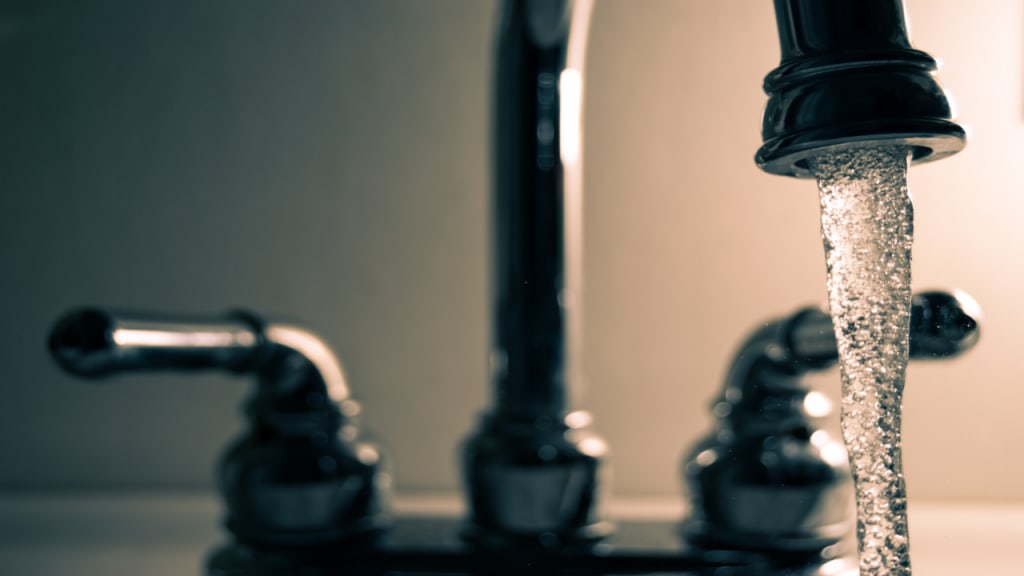
Have you ever considered what happens when the water pressure in your pipes suddenly drops? While it might seem like a minor inconvenience, this seemingly simple event can trigger a dangerous phenomenon known as backflow. Backflow is actually the unwanted reversal of the water flow inside your plumbing system, and this process can essentially pull contaminated water directly from sources such as your sprinkler system, toilet, or also even a community water source back into your clean potable water supply. This can pose an important health risk to you along with your family, together with it can affect your community. The key to preventing this silent threat lies in a crucial, often overlooked, process: backflow testing.
What is Backflow?
At its core, backflow occurs when there is some change within pressure inside a plumbing system and that then causes water to flow in the reverse direction from its intended path. Back-siphonage along with back-pressure are both types of backflow. These are in fact the two primary types. Negative pressure causes back-siphonage because it can be caused by events like using a nearby fire hydrant or a burst water main. A vacuum is created, so contaminated water is sucked through clean water lines. The pressure from off of the contaminated side exceeding that pressure from off of the clean water side causes back-pressure. Dirty water is forced into the potable supply if it happens. Boilers, pumps, or elevated tanks act as common sources of this.
A backflow preventer is a device specifically designed to halt this reversal. These devices, which can be as simple as a double check valve or as complex as a reduced pressure zone assembly, are installed at points of potential cross-contamination. They act as one-way gates, allowing water to flow into your home or business but snapping shut to prevent any water from flowing backward. Like any mechanical device, these preventers can fail over time due to wear and tear, age, or improper installation. This is where the importance of backflow testing becomes clear.
The Crucial Role of Backflow Testing
Backflow testing is a professional service that verifies your backflow prevention device is working correctly. It is not a DIY task; it must be performed by a certified technician who uses specialized equipment to measure pressure levels and ensure that the valves within the device are functioning as they should. The process typically involves a visual inspection of the device and its surroundings, followed by a pressure test that simulates a backflow event to confirm the device will activate properly. The technician then provides a detailed report of the test results for your records.
The primary purpose of regular backflow testing is to protect public health. The contaminants that can enter your water supply during a backflow event are not just unpleasant, they can be a serious health hazard. Contaminated water can contain harmful bacteria, viruses, chemicals, pesticides, and other pollutants. Using this water for drinking, cooking or bathing could lead to severe illnesses. By ensuring your backflow preventer is functional, you are safeguarding your family and the wider community from these dangers.
More Than Just a Health Precaution: Legal and Financial Compliance
Beyond the critical health reasons, regular backflow testing is often a legal requirement. Many states and municipalities have regulations that mandate annual testing for both residential and commercial properties with specific types of connections, such as irrigation systems or fire suppression lines. Failing to comply with these regulations can result in significant fines, and in some cases, the municipality may even shut off your water supply until a passing test is submitted. Consistent backflow testing helps you avoid these penalties and remain in legal compliance.
Furthermore, it is a smart financial decision. A backflow event can cause damage to your plumbing system, appliances, and fixtures. Contaminants can corrode pipes and lead to costly repairs. By catching a failing backflow preventer early through routine backflow testing, you can address the issue before it leads to more extensive damage and expensive fixes. It provides peace of mind knowing your property is protected and your water system is functioning safely.
Is It Time For Your Backflow Test?
As a homeowner or business owner, it is your responsibility to ensure your water system is safe. While some backflow issues may be obvious, such as discolored or foul-smelling water, many others are not. A malfunctioning backflow preventer can go undetected for months or even years, putting everyone at risk. The best way to be proactive is to schedule a professional backflow testing service at least once a year, or as required by your local regulations. This simple action can make all the difference in protecting the health of your family and community. Do not wait for a noticeable problem to arise. Be proactive, be safe, and schedule your test today.
Take control of your water safety. Contact a certified plumbing professional in your area today to schedule your annual backflow testing and ensure the integrity of your water supply.
About the Creator
Keep reading
More stories from The Weekend Project and writers in Lifehack and other communities.
A Fargo Winter Without Panic
My first winter in Fargo was a masterclass in prevention. A cold snap triggered short-cycling heat, my kitchen drain slowed to a sulk, and the utility bill barely flinched. If you’ve felt that same “what next?” anxiety, here’s a simple plan that blends Fargo plumbing essentials with smarter choices around furnace replacement so you can stop bracing for the worst and start enjoying a steady season.
By The Weekend Project5 months ago in Lifehack
I Quit LinkedIn — Here’s Why Smart Entrepreneurs Are Leaving
It was a Tuesday morning, right around 8:30 AM, when I finally snapped. I was sitting at my kitchen table, nursing my first cup of coffee, mindlessly scrolling on my phone. I stopped on a post from a guy I used to know a few years back.
By John Arthor2 days ago in Lifehack
📢 Raise Your Voice Thread: 03/05/2026
Our “Raise Your Voice Threads” are hosted most alternating Thursdays at 12PM ET to offer creators more avenues to uncover exceptional stories on Vocal. As we are continuously searching for fresh creators and inspiring stories, this thread provides an opportunity to exchange and discuss the stories that have moved and motivated us on Vocal.
By Raise Your Voice by Vocal5 days ago in Resources



Comments
There are no comments for this story
Be the first to respond and start the conversation.