
The hard truth about hard water
The effects and impacts of hard water
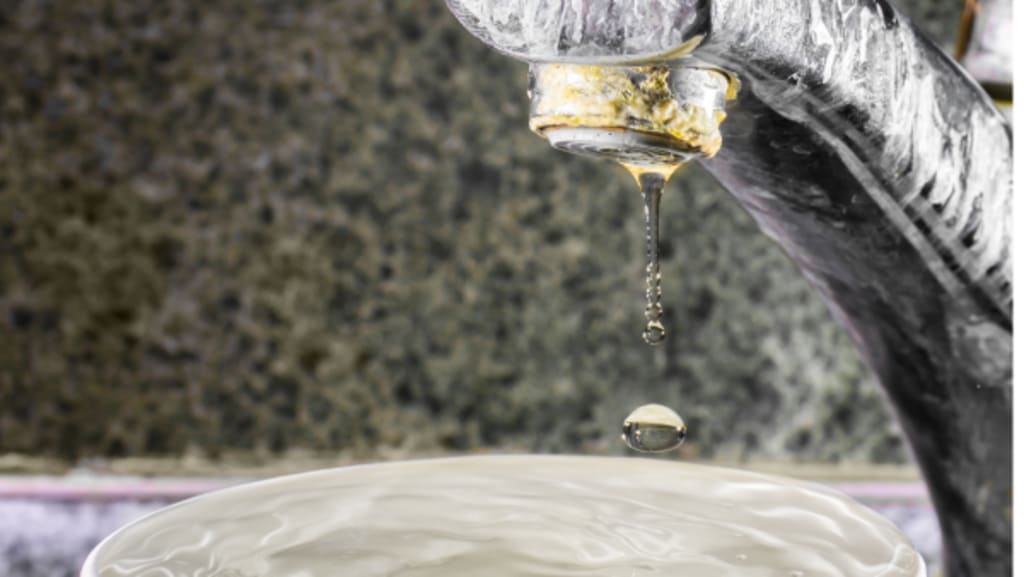
Hard water accounts for the majority of the UK’s water supply. Despite this, many people are unaware of just how impactful it can be. We cover the hard truth about hard water by exploring the effects and impacts it can have in our daily lives.
What is hard water?
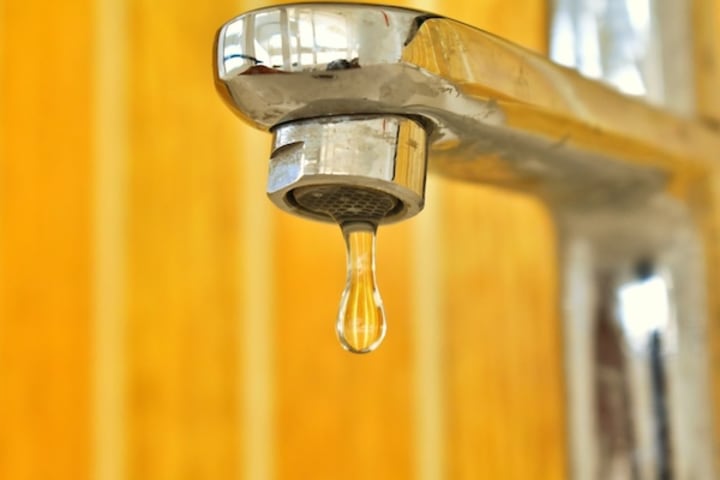
Hard water is determined by the minerals present, such as calcium and magnesium. The extent of hard water varies depending on location and region. For example, southern regions of the UK experience much harder water than the north.
Soft water in comparison has little to no minerals present. As a result, it can feel softer to the skin. There are different levels of water hardness depending on the amount of dissolved minerals in the water or calcium carbonate (or CaC03) present:
• Soft – up to 100 mg/L
• Slightly hard – between 101 and 150 mg/L
• Moderately hard – between 151 and 200 mg/L
• Hard – between 201 and 300 mg/L
• Very hard – over 300 mg/L
Many households and businesses will have hard water supplies. In the UK, around 60% of the country's water supply is hard. The minerals in water that make it hard come from limestone rocks that dissolve during the water cycle.
Regions of the UK that have limestone and chalk bedrock are the cause of hard water. Rainwater that falls from the clouds is naturally soft. However, as the rain percolates through the porous rock, it causes the minerals to dissolve into the water.
This water then enters the reservoirs that are the main source of water. Water companies do not soften the water due to the high costs involved. As a result, the hard water formed during the water cycle is what comes out of our taps and water outlets.
Hard water is not a problem itself and has no direct impact on our health. However, the minerals in hard water can lead to a multitude of problems or effects. The most common of these is scale build-up inside pipes and household appliances.
What are the effects and impact of hard water?
There are many effects caused by the presence of calcium carbonate in hard water. You may be familiar with some of these, such as scale build-up. However, you may not realise the true extent of hard water effects.
Scale build-up
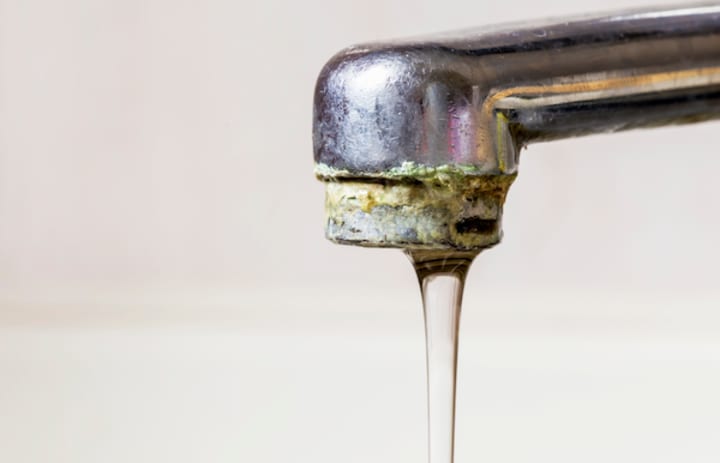
Scale build-up is one of the most common problems associated with hard water. This typically occurs when hard water is heated as it causes the ions to react and solidify. Plumbing systems and appliances are the most affected by scale build-up.
As calcium carbonate is less soluble in hot water, it precipitates and attaches to the nearest hard surface. The result is a layer of hard calcium carbonate. If left, the calcium carbonate build-up gets thicker and thicker.
This effect is most noticeable inside a kettle, where you can visibly see the scale build-up inside. The same happens inside your plumping and pipes. Over time, the scale build-up worsens. As such, water pressure drastically decreases due to the decreased water flow.
The same also occurs inside your household appliances, such as washing machines, dishwashers, and coffee machines. Any appliance that involves heating water will experience scale build-up around vital components, such as the heating element.
This leads to appliances becoming much less efficient as they struggle to work in the desired setting. This strain takes its toll on the appliance as components wear out much sooner requiring more maintenance. It also drastically reduces the lifespan of appliances.
Boilers and heating appliances also experience scale build-up inside. Over time, this causes the efficiency of heating systems to decrease. As such, many will be turning the thermostat up to achieve the same heating result. This increases power usage and the cost of bills.
Discover more about the effects of hard water in winter.
Soap scum
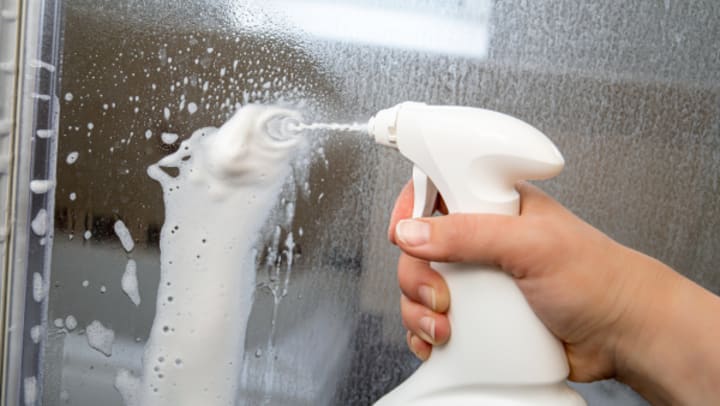
Have you ever found it difficult to achieve a sufficient soap lather? Perhaps you are constantly cleaning soap scum from sinks? If so, you are experiencing another effect of hard water. Both soap scum and poor lathering are another effect of hard water.
That’s because calcium carbonate is a poor reactant to the fatty acids present in soaps. This not only makes it very difficult to achieve a sufficient lather, it also leaves behind a soap scum residue. As you need to use more soap to create a sufficient lather, this makes the problem worse.
Soap scum can be very difficult to remove given how it holds onto tight surfaces. Whether it’s showers, sinks, or bathroom tiles, soap scum can be a cleaning nightmare. As a result, someone may be spending more money on cleaning products to continually remove the soap scum.
Dry skin and hair

One more effect of hard water that many people may not realise the connection to is dry skin and hair. The soap scum that is formed by the bad reaction to calcium carbonate and fatty acids is the main cause of dry skin and hair.
A very thin insoluble soap scum layer forms on the skin that is not visible. This soap scum is also very difficult to wash off. The result is that skin pores become clogged and blocked. This affects the skin’s natural ability to stay properly moisturised, affecting the skin’s naturally produced oils.
This causes the skin to dry out, resulting in itchy, saw, or red skin. It can also result in skin blemishes and acne breakouts. The same also applies to our scalps, leading to a dry, itchy, or sore scalp that can affect our hair. Dandruff and oily scalps can also be a problem.
Washing your hair with hard water also has the same effect. Your hair can suffer in many ways, including:
• Dry and brittle hair
• Faded colouring
• Loss of elasticity
• Heavy and dull appearance
• Dandruff
Eczema
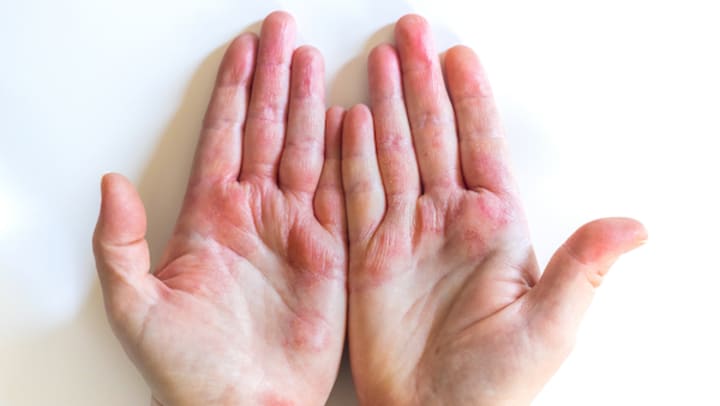
Those who suffer from eczema, such as atopic eczema, will also experience problems from hard water. Eczema is a skin condition that can cause redness, swelling, crusting, or flaking skin. It can also cause cracking and blistering.
Washing the skin with hard water can cause a flare-up of eczema symptoms due to the soap scum layer and dryness hard water causes. However, this can be worse for someone with eczema as the skin cannot properly stay moisturised.
This weakens the skin’s protective barrier and causes gaps or cracking skin. As moisture is lost from deeper layers of the epidermis, the skin barrier becomes more damaged. This leaves those with eczema open to bacterial infections.
Washing quality
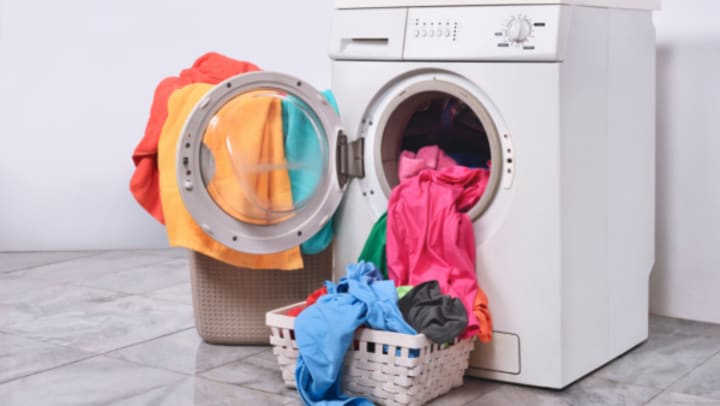
In the same our appliances suffer from the fate of calcium carbonate, so too does our washing. That nice load of clean washing you’ve just emptied the machine may not be as clean as you think. There are several ways hard water can affect your washing quality.
Firstly, it can lead to stiffen fabric fibres, causing clothes to feel stiff and rough on the skin. This is due to calcium carbonate binding with the detergent that forms a residue on the clothing fibres. Not only is this residue difficult to remove, but it causes the fibres to stiffen.
You may also find it necessary to increase the amount of detergent you use in hard water areas. That’s because more detergent is required to achieve the same cleaning effect. While not a major problem, it certainly increases spending on washing detergent.
If you’ve noticed your whites don’t seem so pristine anymore, it could be washing with hard water. White washing can often appear dull or dingy after washing in hard water, causing them to lose their vibrancy. This is due to the minerals clinging to fabrics and forming an off-white layer that becomes more visible over time.
Continually washing your clothes in hard water over a long period will also result in the fibres weakening. As such, this causes your clothes to wear out much quicker. That’s because hard water minerals cause the clothing fibres to weaken over time (not to mention fading the colour).
How can you overcome the effects of hard water?
If you experience any or multiple of the problems above, you’ll no doubt want to find a method to combat the effects of hard water. Fortunately, there is a low-cost solution that allows you to combat all the above problems. Sound too good to be? Well, read on…
Water conditioning is one of the most effective methods for combating the problems associated with hard water. Devices, such as an electronic water descaler, are one of the most popular water conditioning methods.
These are small devices that are fitted to the main water pipe to alter the form of calcium carbonate. As a result, it stays suspended in the water as opposed to forming and solidifying. This helps retain the beneficial minerals in the water but prevents scale build-up and other associated problems.
Fortunately, these devices are a cost-effective option that requires little to no maintenance. There’s also no ongoing maintenance cost either. In contrast, a water softener can be expensive to run due to the regular replenishment of salt pellets.
Water conditioning does not change or alter the water in any way. No chemicals are added to the water either. This makes it a safe option for drinking, washing, and cooking with conditioned water. In comparison, a water softener can add salt or sodium.
There are many benefits to considering adding an electronic water descaler, including:
• Prevent scale build-up and scum residue.
• Appliances operate much more efficiently and lifespan is not decreased.
• Requires a small amount of power to operate.
• Prevents associated problems with skin and hair.
• Reduces eczema flare-ups from washing with hard water.
• Helps save you money on bills and maintenance costs.
• Easy to install and provides a cost-effective solution.
Discover more about how an electronic water descaler works to prevent hard water problems.
About the Creator
Keep reading
More stories from Aaron Middleton and writers in Lifehack and other communities.
Hard water & water descalers
Unsure about something to do with hard water? Perhaps you’ve heard of a misconception about drinking hard water. Well, this is rumour control here with the facts. We will answer your commonly asked questions and misconceptions about hard water and water descalers.
By Aaron Middleton2 years ago in Lifehack
The Importance of Organized Nutrition for Better Health
Nutritional regulation and its importance for daily health Nutrition regulation is the arrangement of meals and foods we eat in a balanced way that suits the body's needs. Its goal is to provide the body with the necessary energy, strengthen the immune system, and maintain health
By Kawtar Aithammou3 days ago in Lifehack
Smart phones, Humans and Aliens.
WARNING. I will be tapping into one of your favorite creative tensions: The absurdity of humans worshipping their glowing rectangles as if they were tiny oracles. There’s something deliciously poetic about that contradiction, and it lends itself beautifully to an instructive proviso.
By Novel Allen5 days ago in Poets




Comments
There are no comments for this story
Be the first to respond and start the conversation.