
The Future of Sustainable Transportation with Electric Vehicles
A Comprehensive Guide to Electric Cars

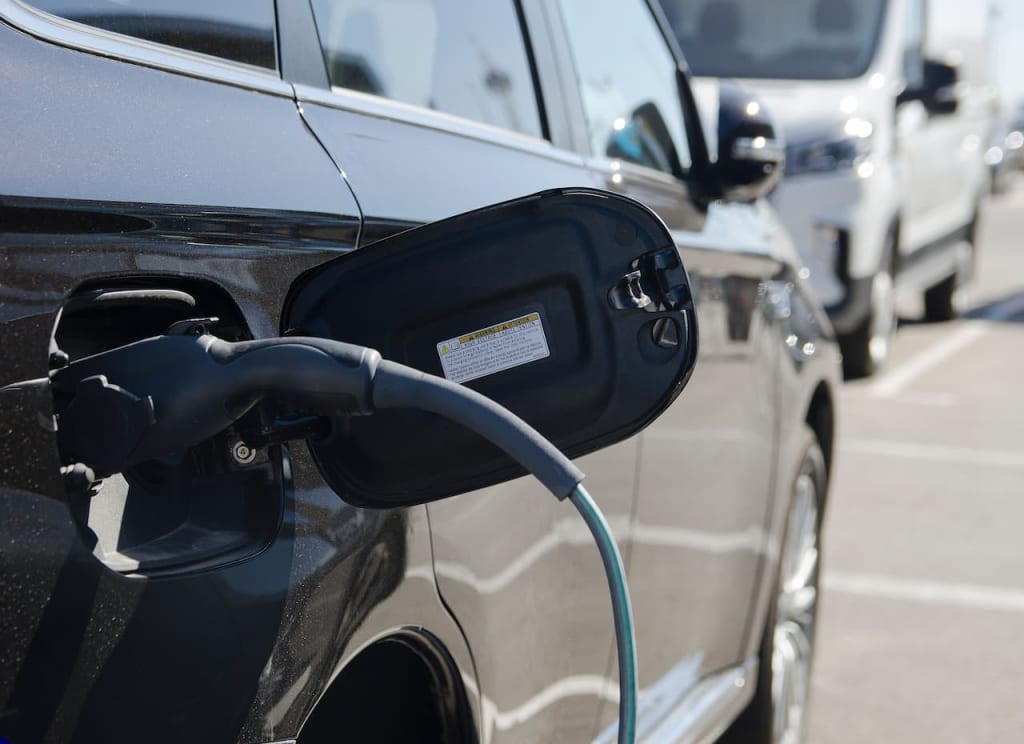
Since they have a smaller negative impact on the environment, a lower cost of ownership, and a better driving experience, electric cars have become more and more popular. Electric vehicles (EVs) are playing a vital part in reaching the objective of sustainable transportation, which is becoming more and more relevant in the current environment. The advantages of electric vehicles, the future of transportation, the effects of electric vehicles on the environment, competitor analysis of Tesla and Chevrolet, and commonly asked questions about EVs will all be covered in this article.
Electric vehicle advantages
Lower Cost of Ownership:
Compared to conventional gasoline-powered cars, electric vehicles are more economical to own. The average cost of electricity to power an EV is similar to petrol priced at $1.20 per gallon, according to a research by the U.S. Department of Energy. Due to their simplified construction, electric vehicles also require less maintenance than conventional vehicles.
Reduced Environmental Impact:
Compared to conventional gasoline-powered cars, electric vehicles emit much fewer carbon emissions. This is due to the fact that EVs use electricity from renewable sources and do not emit hazardous emissions. Even after accounting for the construction of the battery, an analysis by the Union of Concerned Scientists revealed that emissions from electric vehicles are less than half those from gasoline-powered vehicles.
Tax Credits and Incentives:
Owners of electric vehicles are eligible for incentives including tax credits and rebates. For EV purchases, the American government provides a tax credit of up to $7,500. Some states also provide extra benefits like access to HOV lanes and discounted vehicle registration expenses.
Convenient Charging Options:
Refueling an electric vehicle is more practical than doing the same for a petrol vehicle. EV owners have the option of overnight charging at home or when out and about at public charging stations. Finding a charging station while travelling is simple thanks to the approximately 41,000 stations that are now available in the US.
Lower Maintenance Costs:
Due to their simpler construction, electric vehicles require less maintenance than conventional gasoline-powered automobiles. Because they have fewer moving components than conventional cars, EVs don't need routine maintenance like oil changes. Over the course of the car's lifespan, this might save a lot of money.
Enhanced Driving Experience:
Because electric cars don't have an engine, they provide a quieter and more comfortable ride. Furthermore, electric vehicles accelerate smoothly and quickly due to their rapid torque.
Future of Automobiles
Recent developments in the automotive industry:
Due to their lower environmental impact and lower ownership costs, electric vehicles are becoming more popular in the automotive industry. To address the rising demand, many significant automakers are making significant investments in electric vehicle technologies.
Increased Adoption of EVs:
In the upcoming years, it's anticipated that there will be a major increase in the number of electric vehicles on the road. The International Energy Agency projects that by 2030, there will be more than 130 million electric vehicles on the road.
Government Regulations and Incentives:
To promote the use of electric vehicles, governments all over the world are putting regulations and incentives into place. In order to achieve this, minimum percentages of electric vehicle sales must be mandated, and electric car owners must be given tax breaks and refunds.
Improvements in EV Technology:
Battery, charging, and range technologies are all progressing quickly in the world of electric vehicles. As a result, electric vehicles are now more accessible and useful for daily use.
Electric vehicles' environmental effects
Reduced Carbon Emissions:
Compared to conventional gasoline-powered cars, electric vehicles emit much fewer carbon emissions. The Environmental Protection Agency claims that EVs emit 54% fewer greenhouse gases than conventional vehicles.
Energy Efficiency:
Electric vehicles are more energy-efficient than conventional vehicles. This is due to the fact that standard gasoline-powered automobiles only convert about 20% of the energy stored in gasoline, whereas EVs convert over 60% of the electrical energy from the grid to power the wheels.
Reduced Dependence on Fossil Fuels:
The lessening of reliance on fossil fuels is one of the main advantages of electric vehicles. Electricity, the fuel for which comes from a range of sources, including renewable ones like solar, wind, and hydropower, is what powers electric vehicles. In contrast, gasoline-powered vehicles are totally reliant on non-renewable fossil resources, such as oil.
Since fossil fuels are a limited resource, they will eventually exhaust themselves. Fossil fuel production and usage are also significant causes of environmental issues including air pollution and climate change. We can contribute to the alleviation of these problems and the development of a more sustainable future by lowering our reliance on fossil fuels.
The way we view transportation could potentially be revolutionized by electric cars. It's likely that traditional automobile ownership models could give way to more environmentally friendly alternatives like ride-hailing or car-sharing services that rely on electric vehicles as technology advances.
Additionally, the reduced reliance on fossil fuels that electric vehicles offer has the potential to enhance national security. Oil imports, which are frequently impacted by price volatility and geopolitical unrest, are a major source of income for many nations. We can improve our energy security and lessen our susceptibility to these dangers by reducing our reliance on imported oil.
In conclusion, electric vehicles have a number of advantages, including a decreased reliance on fossil fuels. We can build a more sustainable future and take care of some of the most important environmental and security challenges of our time by encouraging the use of electric vehicles.
Competitor Research
Tesla and Chevrolet are two significant vendors in the electric vehicle sector. Tesla has been at the forefront of the electric vehicle revolution thanks to its cutting-edge technologies and inventive designs. The corporation offers a variety of electric vehicle types, from the reasonably priced Model 3 to the opulent Model S. Tesla's vehicles are a top pick for many electric car aficionados thanks to their outstanding performance, extensive driving ranges, and cutting-edge charging infrastructure.
The Bolt and the Volt are just two of the electric vehicles offered by Chevrolet, on the other hand. These vehicles have a more conventional style and are more reasonably priced than Tesla's offerings. Although they still have cutting-edge features and amazing driving ranges, they are a fantastic choice for individuals wishing to move to electric vehicles.
FAQ
a. What is the driving range of electric cars?
The driving range of electric cars varies depending on the model and battery size. Many modern electric cars can travel more than 200 miles on a single charge, with some high-end models offering over 300 miles of range. It's important to note that factors like driving style, weather conditions, and the use of air conditioning or heating can all impact the driving range of an electric car.
b. How long does it take to charge an electric car?
The time it takes to charge an electric car also depends on the model and battery size. Most modern electric cars can be fully charged in 4-8 hours using a Level 2 charging station. However, some high-end models offer fast-charging capabilities that can recharge the battery to 80% in as little as 30 minutes.
c. What are the benefits of electric cars?
There are many benefits to owning an electric car, including lower operating costs, reduced environmental impact, tax credits and incentives, and an enhanced driving experience. Electric cars also require less maintenance than traditional gas-powered vehicles, which can save money in the long run.
d. Are electric cars more expensive than gasoline-powered cars?
Electric cars are generally more expensive than traditional gas-powered vehicles upfront. However, the cost of ownership is often lower due to reduced fuel costs and maintenance expenses. Tax credits and incentives can also help offset the initial cost of purchasing an electric car.
e. How do electric cars compare to hybrid cars?
Electric cars and hybrid cars both offer significant environmental benefits compared to traditional gas-powered vehicles. However, electric cars have zero tailpipe emissions and are often more energy-efficient than hybrids. Hybrid cars have both an electric motor and a gasoline engine, which allows them to travel further on a single tank of gas.
Conclusion:
Electric cars are rapidly becoming a more popular and viable option for sustainable transportation. They offer a range of benefits, including lower cost of ownership, reduced environmental impact, tax credits and incentives, convenient charging options, lower maintenance costs, and enhanced driving experience.
In addition to these benefits, electric cars also have the potential to revolutionize the automotive industry, increase the adoption of EVs, and advance the technology used in these vehicles. They can also have a significant impact on the environment by reducing carbon emissions, improving energy efficiency, and reducing our dependence on fossil fuels.
Despite some of the challenges that still exist, such as range anxiety and limited charging infrastructure in certain areas, the future looks bright for electric cars. As governments and businesses continue to invest in the technology, we can expect to see a more widespread adoption of electric vehicles in the coming years.
Overall, electric cars are a promising option for sustainable transportation, and their benefits are only set to increase in the future. By promoting the use of electric vehicles, we can create a cleaner, healthier, and more sustainable future for ourselves and for generations to come.
About the Creator
George Benson
Meet George Benson, a passionate and skilled writer with a knack for crafting engaging and insightful content that resonates with readers.
Keep reading
More stories from George Benson and writers in Lifehack and other communities.
Identifying Faulty Brake Booster Symptoms: A Comprehensive Guide
What is a brake booster? A brake booster is an essential component of a vehicle's braking system that plays a crucial role in enhancing safety and control. Operating on the principle of vacuum pressure, the brake booster assists the driver by reducing the effort required to engage the brakes. When the driver presses the brake pedal, the brake booster multiplies the force applied, allowing for more effective and responsive braking. This amplified force ensures that the vehicle comes to a stop quickly and smoothly, even during emergencies. Without the brake booster, drivers would need to exert much more physical effort to slow down or stop their vehicles, making it a pivotal element in modern-day automotive engineering.
By George Benson2 years ago in Lifehack
The Surprising Way Positive Thinking Can Change Your Life
Let me tell you the story of how I almost didn't win a car. Yup. You've heard it right. A car. But we almost didn't enter the raffles, thinking "Well, out of the thousands that applied, it's impossible to win".
By Anie Libana day ago in Lifehack




Comments
There are no comments for this story
Be the first to respond and start the conversation.