
The Benefits of Drinking Single-Origin Teas
Introduction

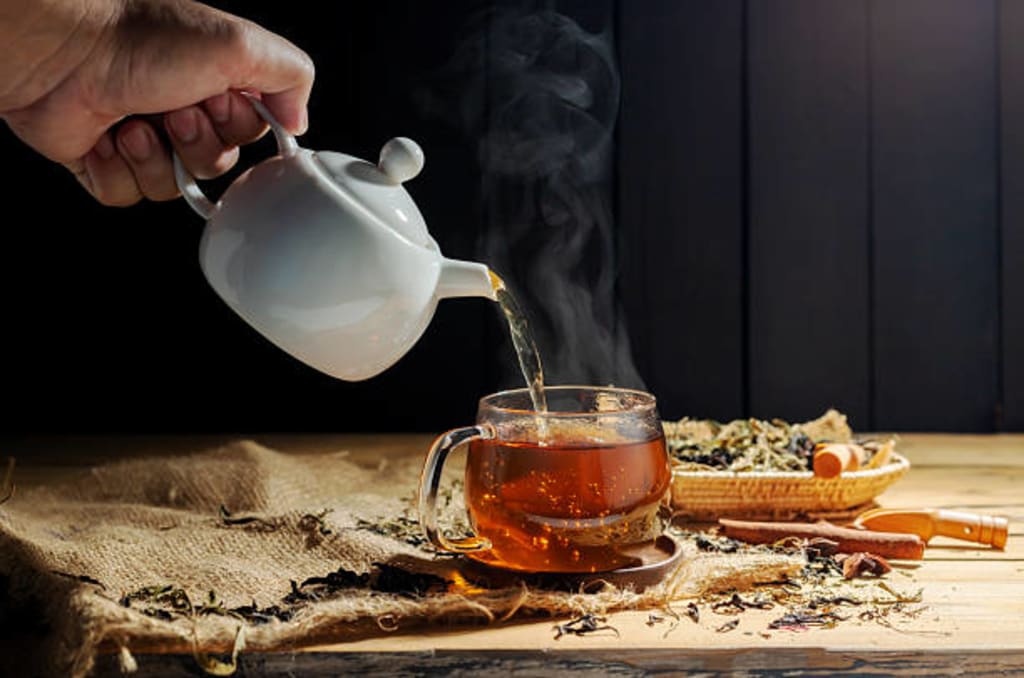
Single-origin teas, derived from a specific region, estate, or garden, offer a unique glimpse into the terroir and craftsmanship behind each cup. Unlike blended teas, which combine leaves from multiple sources for consistency, single-origin teas celebrate the distinct flavors, aromas, and traditions of their place of origin. From the muscatel notes of Darjeeling to the grassy freshness of Japanese Sencha, these teas provide an authentic, unadulterated experience. In this blog, we’ll explore the benefits of drinking single-origin teas, including their flavor diversity, health advantages, and cultural significance, guiding you toward a mindful tea ritual that honors nature’s artistry.
What Are Single-Origin Teas?
Single-origin teas are produced from leaves grown in a specific geographic region, estate, or even a single harvest, ensuring a pure expression of their origin. Derived from the Camellia sinensis plant, these teas—whether green, black, oolong, or white—reflect the unique climate, soil, and cultivation practices of their terroir. For example, Assam’s bold, malty black tea contrasts with the floral delicacy of Fujian’s Silver Needle white tea. Unlike blends, single-origin teas avoid mixing, preserving their distinct flavor profiles. Available primarily as loose-leaf, they offer a premium, authentic experience, showcasing the craftsmanship of tea farmers and the essence of their region.
The Unique Flavor Profile
The hallmark of single-origin teas is their diverse, unblended flavor profiles, shaped by their terroir. Darjeeling black tea from India’s Himalayan foothills carries muscatel and fruity notes, while Japanese Sencha offers crisp, grassy freshness. Chinese Tie Guan Yin oolong balances floral sweetness with creamy undertones, and Sri Lankan Ceylon black tea delivers bright, citrusy vibrancy. These teas reflect the soil, altitude, and climate of their origin, creating a sensory journey with each sip. Single-origin teas also vary by harvest season—first flush Darjeeling is lighter than second flush—offering nuanced flavors that evolve, making every cup a unique exploration of place and time.
Health Benefits of Single-Origin Teas
Single-origin teas, often minimally processed to preserve their natural qualities, are rich in health-promoting compounds:
- Antioxidant Support: High in polyphenols and catechins, especially in green and white teas, they combat free radicals, reducing inflammation and supporting cellular health.
- Mental Clarity: Caffeine (15–70 mg per cup, depending on type) and L-theanine provide calm, focused alertness without jitters.
- Heart Health: Studies suggest teas like green and black varieties may lower LDL cholesterol and improve blood vessel function, promoting cardiovascular wellness.
- Weight Management: Catechins and caffeine in green and oolong teas can boost metabolism, aiding weight control with a balanced lifestyle.
- Digestive Aid: Mild tannins in black and oolong teas may soothe the stomach, supporting digestion.
Organic single-origin teas, grown without synthetic chemicals, ensure purity and maximize these benefits, offering a healthful, natural brew.
Why Choose Single-Origin Teas?
Single-origin teas stand out for their authenticity and quality. By focusing on a specific region or estate, they deliver a pure, unadulterated taste that reflects the artistry of local farmers. Organic single-origin teas support sustainable farming, protecting soil health and biodiversity. Loose-leaf formats allow leaves to unfurl, releasing nuanced aromas and enabling multiple infusions, unlike tea bags with crushed fragments. Tea shop online Backyard Brew offers certified organic single-origin teas, such as Darjeeling and Sencha, sourced directly from renowned estates, ensuring vibrant, authentic flavors for a refined ritual. Choosing single-origin teas reflects a commitment to quality, sustainability, and the celebration of terroir, transforming each cup into a moment of discovery.
Cultural and Ethical Significance
Single-origin teas are deeply tied to the cultural traditions of their regions. In Japan, Sencha is central to Zen-inspired tea ceremonies, emphasizing mindfulness and simplicity. In China, oolongs like Tie Guan Yin are integral to Gongfu rituals, fostering connection through multiple infusions. India’s Darjeeling teas carry a legacy of colonial trade and modern craftsmanship. By choosing single-origin teas, you support small-scale farmers and ethical sourcing, often through fair-trade practices that ensure fair wages and sustainable methods. This connection to culture and community adds depth to the tea-drinking experience, making each sip a celebration of heritage and responsible stewardship.
Brewing the Perfect Cup
Brewing single-origin teas requires precision to highlight their unique flavors. Follow these steps:
- Water Temperature: Use 160–185°F (70–85°C) for green and white teas, 185–205°F (85–96°C) for oolong, and 212°F (100°C) for black teas.
- Tea-to-Water Ratio: Use 1–2 teaspoons of loose-leaf tea per 8 ounces of water for a balanced brew.
- Steeping Time: Steep green and white teas for 1–2 minutes, oolong for 30 seconds to 1 minute (multiple infusions), and black teas for 3–5 minutes.
- Equipment: A gaiwan, glass teapot, or basket infuser allows leaves to expand, enhancing flavor and aroma.
Use filtered water for a clean taste and store tea in an airtight, opaque container away from light and moisture to preserve freshness. Avoid additives to savor the tea’s natural profile, though a touch of honey can enhance floral notes if desired.
Pairing Single-Origin Teas with Food
Single-origin teas pair beautifully with foods, enhancing their distinct flavors:
- Seafood: Sencha complements sushi or grilled fish, echoing its grassy freshness.
- Desserts: Darjeeling pairs with fruit tarts or shortbread, amplifying its muscatel notes.
- Savory Dishes: Tie Guan Yin matches shrimp or roasted vegetables, balancing its floral sweetness.
- Cheese: Silver Needle harmonizes with soft cheeses like brie, complementing its delicate creaminess.
For a tea tasting, serve single-origin teas with small bites like rice crackers or dried fruit, creating a refined experience that showcases their unique profiles.
Creative Uses for Single-Origin Teas
Single-origin teas offer versatility beyond the cup:
- Cooking: Infuse Sencha into rice or Tie Guan Yin into broths for unique flavor depth.
- Baking: Add ground Matcha or Darjeeling to cakes or cookies for vibrant taste.
- Mindful Ritual: Pair tea with meditation or journaling, sipping slowly to foster presence.
- Cold Brew: Steep leaves in cold water for 6–8 hours for a refreshing, nuanced drink.
These uses weave single-origin teas into your lifestyle, blending flavor, health, and creativity.
Conclusion
Single-origin teas are a celebration of terroir, craftsmanship, and wellness, offering a pure, authentic tea experience. From the crisp vibrancy of Sencha to the muscatel elegance of Darjeeling, these teas invite exploration and mindfulness with every sip. By choosing high-quality, organic single-origin teas and brewing with care, you can transform your tea ritual into a moment of connection and joy. Whether seeking health benefits, cultural depth, or a flavorful journey, single-origin teas deliver a timeless experience. Embrace their unique essence and make them a cherished part of your daily wellness journey, savoring the artistry of each cup.
FAQs
1. What makes single-origin teas different from blends?
Single-origin teas come from a specific region or estate, showcasing unique terroir-driven flavors, while blends combine leaves for consistency.
2. How long do single-origin teas stay fresh?
Stored in an airtight, opaque container in a cool, dark place, they remain fresh for 6–18 months, depending on the type (green teas best within 6–12 months).
3. Do single-origin teas contain caffeine?
Yes, caffeine varies by type: white (15–30 mg), green (20–45 mg), oolong (30–50 mg), and black (40–70 mg) per cup, balanced by L-theanine.
4. Can single-origin teas be steeped multiple times?
Yes, high-quality single-origin teas, especially oolong and green, can be steeped 2–8 times, revealing evolving flavors with each infusion.
5. Why choose organic single-origin teas?
Organic single-origin teas are grown without synthetic chemicals, ensuring purity, supporting sustainability, and delivering richer, authentic flavors.
About the Creator
Backyard Brew
Since 2016, Backyard Brew has been crafting unique coffee and tea blends that bring comfort and joy to every cup. Experience our local touch in every sip.
Keep reading
More stories from Backyard Brew and writers in Lifehack and other communities.
Buy Green Tea Online: Unlocking Nature’s Finest Brew
Green tea, celebrated for its vibrant flavor and remarkable health benefits, is a timeless beverage derived from the Camellia sinensis plant. Its minimal processing preserves a fresh, grassy taste and potent antioxidants, making it a favorite for wellness enthusiasts and tea lovers alike. From Japanese Sencha’s crisp clarity to Chinese Dragonwell’s nutty depth, green tea offers a spectrum of flavors to elevate any ritual. Buying green tea online provides access to premium, organic varieties with detailed sourcing information and convenient delivery. In this blog, we’ll explore the benefits of purchasing green tea online, its health advantages, brewing techniques, and tips for selecting the finest leaves, inviting you to savor a pure, invigorating cup.
By Backyard Brew5 months ago in Lifehack



Comments
There are no comments for this story
Be the first to respond and start the conversation.