
The Beauty and Care of Orchid Cacti (Epiphyllum)
The Beauty and Care of Orchid Cacti (Epiphyllum)

The Beauty and Care of Orchid Cacti (Epiphyllum)
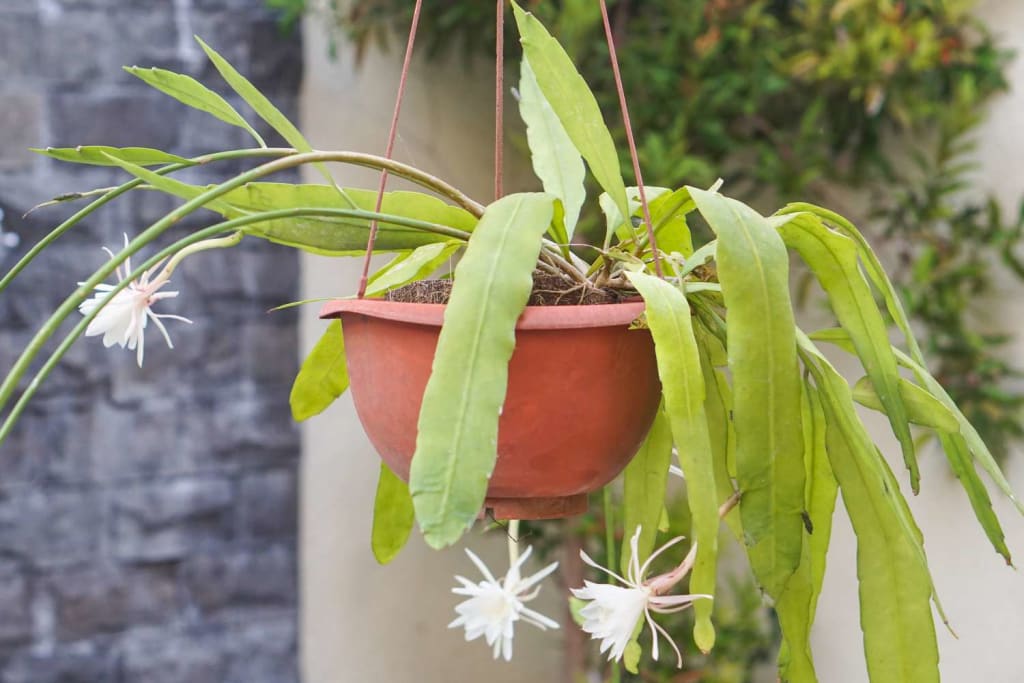
Epiphyllum, commonly known as orchid cacti or epiphytic cacti, are a stunning and diverse group of plants that belong to the Cactaceae family. Unlike traditional cacti, which are often associated with arid environments, orchid cacti are native to the tropical and subtropical forests of Central and South America. Renowned for their vibrant and intricate flowers, these plants have gained popularity among both novice and experienced gardeners. To truly appreciate their beauty, it is essential to understand their unique characteristics and provide the appropriate care.
Characteristics of Orchid Cacti:
Elegant Flower Display: One of the most captivating features of orchid cacti is their striking flowers. These blooms are often large, colorful, and intricate, with a range of colors from pure white and soft pastels to vibrant reds, oranges, and purples. The flowers usually have a delicate fragrance that adds to their allure.
Epiphytic Nature: Unlike traditional cacti, which typically grow in arid soil, orchid cacti are epiphytic, meaning they naturally grow on trees or other surfaces. They utilize their host plant or surface for support, deriving moisture and nutrients from the surrounding environment.
Leaf Structure: Orchid cacti have flat, segmented stems that resemble leaves. These stems are photosynthetic and play a crucial role in the plant's overall growth and health. The segments are usually broad and flat, providing ample surface area for photosynthesis.
Night Bloomers: Many orchid cacti species are nocturnal bloomers, meaning their flowers open at night and close during the day. This adaptation helps them conserve water and prevent excessive evaporation during the hot daytime hours.
Variety of Species: The orchid cacti group encompasses numerous species and hybrids, each with its own unique characteristics. This diversity offers a wide range of flower shapes, colors, and growth habits to choose from.
Care Guidelines:
1. Light:
Orchid cacti thrive in bright, indirect light. Avoid placing them in direct sunlight, especially during the hottest parts of the day, as it can lead to sunburn on their delicate segments. A location with filtered sunlight or morning sun and afternoon shade is ideal.
2. Temperature:
These cacti prefer temperatures that mimic their native tropical habitats. Maintain temperatures between 60°F to 80°F (15°C to 27°C) during the growing season. They can tolerate slightly cooler temperatures in winter but should be protected from frost.
3. Watering:
Proper watering is crucial for orchid cacti. During the growing season (spring to early autumn), water the plant thoroughly when the top inch of the soil feels dry. Ensure that the pot has good drainage to prevent waterlogged roots. Reduce watering during the dormant winter months, allowing the plant to rest.
4. Humidity:
Given their epiphytic nature, orchid cacti appreciate higher humidity levels. You can increase humidity by misting the plant regularly or placing a tray of water near the plant. This is especially important in dry indoor environments.
5. Potting Mix:
Use a well-draining potting mix that allows excess water to flow out easily. A mix formulated for orchids or cacti works well. You can also create a mix using components like orchid bark, perlite, and peat moss.
6. Fertilization:
Feed your orchid cacti with a balanced, water-soluble fertilizer diluted to half strength. Apply it every 4-6 weeks during the growing season. Avoid fertilizing during the dormant period.
7. Repotting:
Orchid cacti don't require frequent repotting. Repot when the plant becomes root-bound or every 2-3 years. Choose a slightly larger pot and refresh the potting mix to provide ample space for growth.
8. Pruning:
Prune your orchid cacti to remove any dead or unhealthy segments. This encourages new growth and maintains the plant's shape. Pruning is best done after flowering or during the active growing season.
9. Propagation:
You can propagate orchid cacti through stem cuttings. Allow the cuttings to callus for a few days before planting them in a well-draining mix. Keep the soil slightly moist until new growth appears.
10. Pests and Diseases:
Keep an eye out for common pests like mealybugs and scale insects. Regularly inspect your plants and treat any infestations promptly. Proper watering practices and good air circulation can also help prevent fungal issues.
11. Flowering:
To encourage flowering, ensure your orchid cacti receive a period of cooler temperatures (around 50°F to 55°F or 10°C to 13°C) for a few weeks in late summer or early autumn. This temperature drop can stimulate flower bud formation.
In conclusion, the beauty of orchid cacti goes beyond their stunning blooms; it extends to their unique growth habits and adaptation to diverse environments. By providing the right care, you can enjoy these captivating plants as they thrive and adorn your space with their mesmerizing flowers. Remember that each species might have specific preferences, so it's essential to research the particular needs of the orchid cactus variety you're cultivating. With attention to light, water, temperature, and other essential factors, you can create an optimal environment for your orchid cacti to flourish.
About the Creator
Kavya Organic Garden
Passionate about home gardening, plant care, growth, and maintenance. Join me on this exciting journey of organic practices and sustainable gardening! 🌱
Keep reading
More stories from Kavya Organic Garden and writers in Lifehack and other communities.
How to Care for a Peace Lily Plant
Caring for a Peace Lily Plant: A Comprehensive Guide Peace lilies (Spathiphyllum spp.) are popular indoor plants known for their striking appearance and air-purifying qualities. With their elegant white blooms and glossy green leaves, peace lilies can add a touch of beauty and tranquility to any indoor space. However, like any other plant, they require proper care to thrive and flourish. In this comprehensive guide, we will walk you through all aspects of peace lily care, from choosing the right location to addressing common issues.
By Kavya Organic Garden2 years ago in Lifehack
How To Select Expert Hospitality Advisors for A Successful Hotel Launch in Dubai
Starting a hotel project in Dubai is quite an exciting step that requires a certain level of planning smart as well as expert guidance. With strong competition, guest expectations being high, and strict regulations, choosing the right hospitality consultant to guide you through such an endeavour can shape your success. From early planning to daily operations, consultants share practical knowledge that helps turn your ideas into a working hotel. This guide shows you how to choose the right hospitality consultants in Dubai and make smart decisions that support a successful and profitable project.
By Claudia Fennel6 days ago in Lifehack
Yoga Brisbane and the Rise of Consistent Practice in a High-Pressure City
Brisbane has changed significantly over the past decade. Once seen as a slower-paced alternative to Australia’s larger capitals, the city now carries many of the same pressures found elsewhere: demanding workloads, blurred boundaries between professional and personal time, constant connectivity, and a strong expectation to keep moving forward. In this environment, wellbeing has shifted from an abstract ideal to a practical concern. For many residents, Yoga Brisbane has become less about novelty or fitness trends and more about building consistency in a city that rarely slows down.
By Rochelle Martinez7 days ago in Lifehack




Comments