
Step-by-Step Guide to Repair Peeling Wall Paint
Learn a step-by-step guide to fix peeling and repaint the exterior, and see how professional exterior painters Corpus Christi can refresh your home.

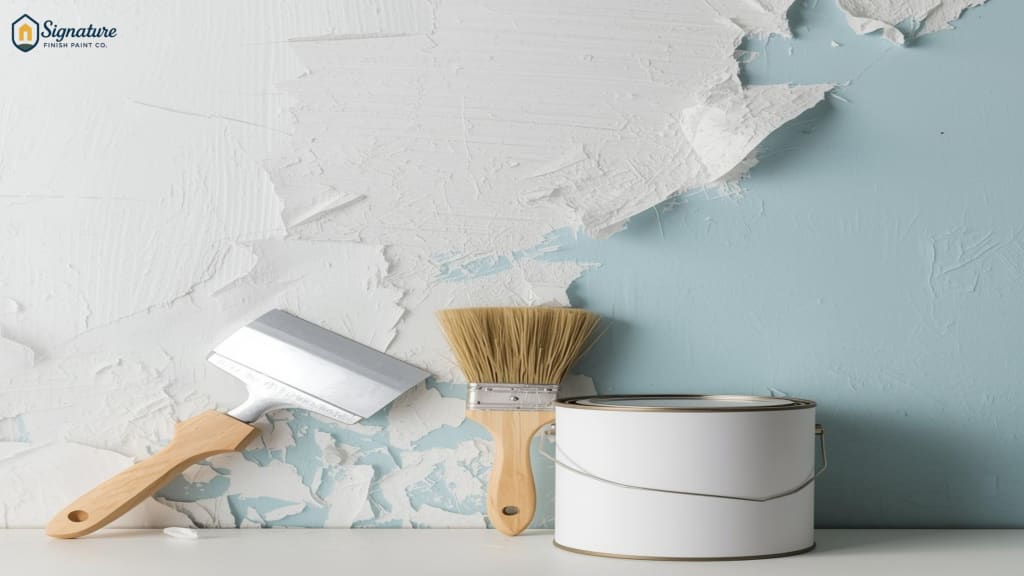
One day, you are walking past your house, and something catches your eye; the paint just does not look right anymore. There is that spot near the window where it starts lifting at the edges, or maybe when you lean against the wall, tiny chips stick to your palm. It does not seem like a big deal at first, just a small imperfection. But if you let it go, that peeling has a way of taking over fast, making your whole place look worn down and leaving the walls at risk of real damage.
The good part? It is totally fixable, and if you do it properly, you can stop it from coming back. Whether you try DIY and take care of it on your own or bring in experienced exterior painters in Corpus Christi, what really matters is understanding what caused the peeling to begin with and fixing it the right way from the ground up.
Why Does Paint Start Peeling?
Peeling paint is not only a surface issue; it is often a sign your home needs attention. Living in a coastal town like Corpus Christi means your house is constantly up against the sun beating down, salt in the breeze, and weather that changes on a dime, all of which can really affect your exterior paint. Add in factors like moisture or skipped preparation work, and peeling becomes hard to avoid without the right care.
Here are the following factors that cause paint to start peeling:
1. Moisture Issues
Moisture is usually the biggest troublemaker when it comes to peeling paint. Whether it is rain soaking in, humidity hanging in the air, or even a leak from inside making its way out, water gets between the paint and the wood and breaks down that bond, which leads to cracking and peeling.
Spots like window sills, the soffits under your roof, and trim pieces tend to take the worst of it. When you are dealing with peeling paint, coating it anew with a fresh coat is not going to cut it; you have got to track down and fix that moisture issue first if you want the new paint actually to stick around and look good for years.
2. Low Paint Quality
Not every paint is built to handle what a coastal spot like Corpus Christi throws at it. Going with a solid latex paint can change everything; it moves with the wood as things expand and contract, so it does not crack or peel nearly as easily.
On the other side, bargain-bin paint or things that just do not match up with what is already there, like those old calcimine coatings you will find in older houses, will not hold up the way they should. That is when you end up with flaking and surfaces that look beat up way too soon.
Investing in durable paint and applying it under the right conditions protects your home's exterior and keeps it looking fresh for years.
3. Skipping Surface Preparation
A long-lasting paint job starts before the brush even touches the surface. Taking the time to clean, sand, and prime means the paint actually sticks like it is supposed to and will not start peeling down the road.
Do it right, and you are not just putting on color; you are giving your house a shield that will hold up for years.
4. Too Many Layers Of Paint
It might feel like the quick solution, just keep adding another layer whenever things start looking frayed, but that approach usually backfires with peeling and cracking, especially on ceilings or anywhere that has been painted a bunch of times already. When you keep painting over old layers without stripping them down first, all that buildup creates pressure that eventually makes the top coat pull away from what is underneath.
And here is the other thing about compatibility: if you brush oil-based paint on top of flexible latex, you are basically asking for trouble. The surface gets stiff and brittle, and before you know it, it is peeling off in sheets. Figuring out what kind of paint is already there and what shape it is in before you add anything new makes all the difference in getting a finish that is flawless and reliable over the years.
Why Hiring an Exterior Painters Matters for Peeling Repairs
Peeling paint is not just unpleasant to see; it can mean bigger problems. It can expose your home to water damage, structural weakening, and accelerated deterioration.
Professional exterior painters have seen it all, they know the right way to remove off those old layers, patch up any trouble spots the right way, figure out when it is actually time to repaint, and use quality paint that can stand up to South Texas throwing everything at it: brutal sun, sticky humidity, and weather that flips on you out of nowhere.
Their craftsmanship delivers a clean, even finish that protects your home for years to come. Hiring a professional is not just about aesthetics; it is about safeguarding your home's exterior and making your repairs truly effective.
How to Repaint and Fix Peeling Paint on Your Home's Exterior
The following are the steps to fix and repaint peeling paint to get your home exterior beautiful.
Step 1: Preparation
The first step is all about preparation. Scrape off any paint that is coming loose, sand it down smooth, give the whole surface a good cleaning, and cover up anything nearby with drop cloths and tape so you end up with a finish that looks clean and lasts.
Step 2: Patching and Sanding
Once the old paint is gone, grab some filler and work it into any cracks or holes you see, then sand everything down until it is smooth under your fingers. This smooths everything out and gives your new paint a real solid base to stick to, so you are left with something that looks right and is not going to fall apart on you after a few months.
Step 3: Cleaning and Priming
Before you even think about picking up a paintbrush, you need to start with a completely clean surface. Wipe off all the dust and grime so the primer can actually grab hold the way it is supposed to, giving you a solid base for everything that goes on top.
Primer is not just there to help the paint stick; it stops peeling from happening again down the line and gives your exterior that finished, protected look.
Step 4: Painting Your Exterior
Once you have done all the preparation work and laid down your primer, put on a thin first coat of paint, let it dry completely, then go back over it with a second coat to make sure you have covered everything. This does not just make your house look good; again, it puts up a barrier against weather and wear, leaving you with an exterior that looks fresh and well taken care of.
Get Rid of Peeling with Exterior Painters In Corpus Christi
The outside of your house tells people a lot about how you take care of the place. When the paint is peeling, it can make it look like things have been let go, even if the inside is spotless and everything else is in great shape. Repainting after peeling is not an easy DIY task; it takes time, skill, and the right materials.
Bringing in professional painters takes all the stress off your hands and makes sure your exterior comes out looking refreshed and practically brand new. Is your exterior paint starting to peel? Call for exterior painting Corpus Christi today.
About the Creator
Robert Clark
Experienced house painter with 5+ years on the job. I've painted everything from small rooms to full houses. I know my way around brushes, rollers, and sprayers. Sharing tips on prep, paint types, and pro tricks.
Keep reading
More stories from Robert Clark and writers in Lifehack and other communities.
Exterior Painting in Fall: Transform Your Corpus Christi Home
Introduction A fresh coat of paint does more than brighten your home; it shields it from the elements and keeps it looking its best year-round. Fall is the ideal season for exterior painting Corpus Christi, with mild temperatures and low humidity ensuring a smooth, long-lasting finish that enhances both beauty and protection.
By Robert Clark5 months ago in Lifehack
5 Simple Lifehacks to Keep Your Teeth Healthy Every Day
Healthy teeth aren’t just about occasional dental visits—they’re shaped by the little choices you make every day. Simple habits, when done consistently, can prevent cavities, gum issues, sensitivity, and other oral concerns while keeping your smile bright and comfortable. These lifehacks are easy to integrate into your routine and don’t require drastic lifestyle changes.
By Smile Sydney2 days ago in Lifehack


Comments
There are no comments for this story
Be the first to respond and start the conversation.