
Step-by-Step Guide to Designing a Durable and Stylish Metal Carport
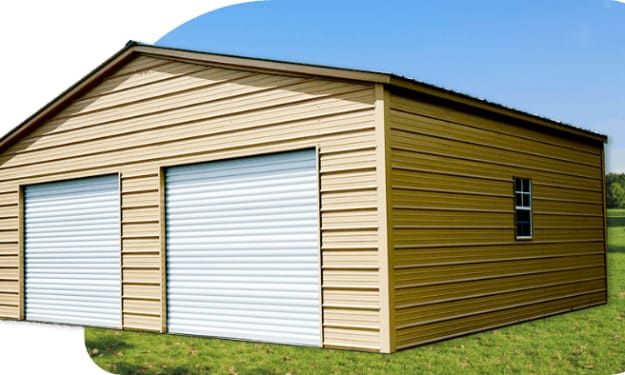
Metal Carport


Designing a metal carport involves several steps to ensure it meets your needs, fits your space, and complements your home. Here’s a comprehensive guide to build a metal carport to help you through the process:
1. Determine Your Needs
Purpose: Define the primary use of the carport. Will it be used for parking vehicles, storing equipment, or serving as a covered outdoor space?
Size: Measure the space where you plan to install the carport. Consider the size and number of vehicles or items you need to accommodate.
2. Select the Type of Metal
Steel: Known for its strength and durability, steel is a popular choice for carports. It’s resistant to weather conditions and requires minimal maintenance.
Aluminum: Lighter than steel and resistant to rust, aluminum is another good option, though it may not be as strong as steel.
Galvanized Metal: This metal is coated to resist rust and corrosion, offering long-lasting durability.
3. Choose the Design Style
Lean-To: Attached to an existing structure like your house or garage. Ideal for tight spaces.
Freestanding: Not attached to any structure, offering more flexibility in placement.
Gabled Roof: Features a peaked roof, which can offer a more traditional look and better water drainage.
Flat Roof: Simple and modern, suitable for areas with minimal snowfall.
4. Plan the Dimensions
Height: Ensure the height of the carport is sufficient for the vehicles or equipment you intend to store. Include extra clearance for taller vehicles like RVs or trucks.
Width and Length: Consider the size of your vehicles and allow extra space for easy access.
5. Consider Additional Features
Side Panels: Decide if you want open sides or if you’d like partial or full side panels for additional protection against wind and debris.
Roofing Material: Choose a roofing material that suits your climate and aesthetic preferences. Options include corrugated metal panels, polycarbonate sheets, or shingles.
Gutters and Drainage: Incorporate gutters and downspouts to manage rainwater runoff and protect your carport’s foundation.
6. Customize the Design
Color and Finish: Select a color that complements your home’s exterior. Metal carports can be painted or coated with finishes that provide aesthetic appeal and protection.
Lighting and Electrical: Plan for lighting if you intend to use the carport at night. Consider integrating electrical outlets for convenience.
Ventilation: Include ventilation options if the carport will be used for purposes other than vehicle storage to prevent heat buildup.
7. Get Necessary Permits
Local Regulations: Check with your local zoning office or building department to determine if you need a permit for your carport installation. Compliance with building codes and regulations is essential.
8. Choose a Contractor or DIY
Professional Installation: If you’re not comfortable with DIY projects, hire a professional contractor who specializes in metal carports. They can ensure proper installation and adherence to local codes.
DIY Kits: If you prefer to handle the installation yourself, consider purchasing a metal carport kit. These kits come with pre-cut materials and detailed instructions to simplify the process.
9. Install the Carport
Foundation: Prepare a solid foundation for your carport. This could be a concrete slab or a gravel base, depending on your soil and climate conditions.
Assembly: Follow the manufacturer’s instructions or contractor’s guidance for assembling and installing the metal carport. Ensure all components are securely fastened and aligned.
10. Maintain Your Carport
Regular Inspections: Check for any signs of wear, rust, or damage. Address any issues promptly to extend the lifespan of your carport.
Cleaning: Clean the metal surfaces periodically to remove dirt and debris, and ensure that gutters and drainage systems are clear.
By following these steps, you can design a metal carport that meets your functional needs, complements your home, and enhances your property’s value.
About the Creator
ammy watson
Amy is an experienced business analyst and loves writing articles related to business and management. Her articles focus on very informative and researched pieces of information.
Keep reading
More stories from ammy watson and writers in Lifehack and other communities.
6 Important Tips To Maintain Your Metal Garages
Even a shabby old shed may outlive its recommended lifespan with a bit of gentle love and maintenance. The most incredible thing about having a metal structure is its astonishing longevity and low maintenance requirements. Even older metal structures may help maintain their overall performance and aesthetics.
By ammy watson3 years ago in Lifehack
Dark Post
In the 2026 election cycle, the concept of a "town hall" has been replaced by a "data farm." The political landscape is no longer shaped by speeches, but by the Extraction—a high-tech ecosystem that turns your daily behavior into political intelligence. This isn't just advertising; it’s a coordinated ruse powered by a network of "Primary Miners" and "Digital Scalpels" designed to deliver surgical strikes to your private feed.
By Untitled Source5 days ago in Lifehack
A Knight of the Seven Kingdoms Series Review (Season 1)
As one of the biggest properties in fantasy, A Song of Ice and Fire remains immensely popular with audiences. After reaching far into the past with House of the Dragon, a second spin-off was on the cards. A Knight of the Seven Kingdoms serves up a bite-sized slice of action and drama, but it still claims a spot among the best small-screen titles.
By Robert Caina day ago in Geeks


Comments
There are no comments for this story
Be the first to respond and start the conversation.