
State of Florida VIN Check: Verify Vehicle History Before You Buy
Quickly access vital vehicle information—including title status, accident history, and ownership records—using the official State of Florida VIN check.


1. Introduction
Buying a used vehicle is one of those experiences where you have to trust your instincts. However, there are many pitfalls — hidden accidents, hasty repairs, odometer rollbacks, falsified sale prices — that can result in a very bad investment. Thankfully, there’s a very good first step to take to help warn you of serious issues that can haunt you long after the deal is done: conduct a VIN check. By using a vehicle’s VIN number to request a vehicle history report, you can see if that vehicle has experienced hard times that may not be immediately obvious. If you don’t know what a VIN report is, or how to go about obtaining one, read on.
ALSO READ: HOW TO PERFORM A FLORIDA VIN CHECK ONLINE FOR FREE
A vehicle history report, or VIN report, provides information about a vehicle and its history. Using the vehicle’s VIN, a VIN report will let you know if there’s anything seriously wrong with that vehicle that may not show on the surface. For example, if a car has been declared a total loss by an insurance company because of an accident or flood, a VIN report will show that information. A VIN report may also provide information on any recalls, service work, or odometer discrepancies attributed to that vehicle. Yourself or your mechanic can also use that same report when trying to negotiate a better price with a seller, as they can often reveal issues that may seem minor to the seller but have upcoming costs attached.
2. What is a VIN?
All the vehicles in the market and on the road have specific identification characteristics, making them unique. That unique identification characteristic is a 17-digit number known as a VIN or Vehicle Identification Number. The VIN is a combination of numbers and capital letters and does not contain the letters I, O, and Q to avoid confusion with numbers 1 and 0.
The VIN is like a unique fingerprint of your vehicle that can be used to identify the manufacturer of the vehicle, the type of vehicle, year of manufacture, and other specific characteristics related to the vehicle. An important point to note is that while all vehicle manufacturers have adopted a uniform VIN coding convention, VINs may be different in length and format for older vehicles manufactured before 1981. The VIN can often be found in various places in the vehicle, such as on the vehicle frame, on the edge of the windshield, under the windshield, on the steering column, inside the driver’s side door jamb, and on the warranty sticker. However, the most accessible place to look for a VIN is on the vehicle's windshield, where it is visible from the outside. The VIN is stamped on the dashboard on the driver’s side and can be seen through a glass window on the windshield.
3. Importance of Vehicle History Reports
Most buyers and sellers know very little about how a vehicle has performed over its lifetime. Of course, there is always the possibility of the seller cooperating and admitting to the vehicles' history of damages and repairs. Regrettably, this is often not the case. Fortunately, vehicle history reports are produced to ensure transparency on the vehicles' past. These documents show - in detail - previous working history, accidents, and their damages, and whether proper repair was carried on afterward. Most vehicle history reports will also indicate whether a frame was bent due to a bad accident. This information can tell the buyer whether the vehicle is worth the money or whether it may be on the verge of collapse due to ongoing issues.
Knowing such information could prevent not only the loss of money but also loss of property and/or loss of life. How are vehicle history reports produced? While used car dealers tend to use the same company to generate the needed report, it is widely known that having an account with one of the companies that generate reports is very cheap and that they usually underreport what they have. Banks mainly rely on DMV and insurance claims for details on high impact accidents. When doing a cost estimate or check list, be sure to use a service that offers a "full report" option.
4. How to Perform a VIN Check in Florida
Now that we have answered the key questions about VIN checks let's discuss the actual process of performing a VIN check in Florida. First, accessibility of any data has to be considered because no one likes to pay for information that could be freely available elsewhere. In general, data stored in state databases are more trustworthy compared to data found on free VIN lookup sites but may cost a fee. In addition to a free VIN check by the Florida Highway Safety and Motor Vehicles, the following services also offer useful information about a car's history.
Using the following list of free and paid VIN lookup services, you can perform a state of Florida VIN check before purchasing a vehicle to discover red flags about reported accidents, previous title issues, odometer discrepancies, and lemon law status. It might help avoid problems and save you considerable time and money after the fact. Keep in mind that not all services provide the same information, so it would be in your best interest to use several websites before making a decision.
For an additional fee, certain services provide extensive vehicle history reports but are more commonly known for the reports being paid services. The Florida Highway Safety and Motor Vehicles also allows visitors to obtain details about the current status of Florida title using the additional paid service.
5. Free vs. Paid VIN Check Services
You can use free Vehicle Identification Number (VIN) checks available on government sites. You can search using the VIN for a Florida vehicle title for free. Other resources provide free but limited searches for accident reports or recalls by a VIN.
While the information from these free sites is convenient, there is no guarantee of a comprehensive, complete search on the vehicle. Free search options are often limited in the number of records available or provide bare-bones details about the record. For example, if you want to know if a New York rental company had the car since it was manufactured or simply want to avoid a vehicle from being previously involved in an accident, you may want to turn to a paid site for a more thorough VIN report.
Paid services for VIN checks have consolidated data from multiple states and sources to compile a more complete history of the vehicle. Options allow you to pay to call up a complete report before the sale of the vehicle. In addition to car dealerships, major insurance companies or service providers usually provide these reports, so you may check with your insurance agent to see if they can pull one for you for free.
6. Understanding Vehicle History Reports
There’s a lot of information to be found in a vehicle history report. Understanding how to interpret the information may take some practice, especially since some of the data may not make sense to you immediately. Data that is typically found in a motor vehicle history report includes:
- Title information, including the title status and title source. Demand for vehicles with a salvage title is typically low.
- Color, model, make, and year verification. This helps you double-check that the vehicle is what the seller claims it is.
- Record of the odometer reading along with any information about odometer tampering.
- Damage records. If the vehicle was damaged by fire, flood, or a collision, it will be noted here.
- Theft records. If the vehicle was stolen and not yet recovered, it will be noted here.
- Accident records, including the number of times the vehicle has been in a collision.
- Manufacturer recall issues. This information tells you if there are any safety-related defaults with the vehicle that have not been repaired by the manufacturer.
- Lemon law states. If applicable, the vehicle is branded as a “lemon” and the manufacturer is usually required to buy the vehicle back.
- Registration, inspection, and service records. These records may give you insight into how well the vehicle has been taken care of over its lifespan.
- Previous owner information, including the number of owners and the location of prior registration. Information according to state law will typically be included here, like if the vehicle was used as a lease, rental, taxi, or police vehicle.
7. Common Issues Found in Vehicle History Reports
Many potential issues can show up in a vehicle history report. Here are the most common.
- Accident or Damage Reported. If you see a history of damage from fire, accidents, flooding, or vandalism, be especially cautious. Vehicles that have sustained extensive damage may have hidden problems that could endanger the safety of their passengers. Some superficial issues are repairable and may even still yield a reliable vehicle, but you could remain unaware of deeper issues unless you get the vehicle inspected before buying it.
- Buyback/ Lemon. If the car has had multiple unsatisfactory repairs of the same issue and qualifies for Lemon Law buyback, you should proceed with caution. Car manufacturers are legally obligated to buy back lemons from the owner, and if you see a Voluntary Lemon on the vehicle history report, that’s a hard pass.
- Mileage Issues. A rollback is shown in the report as a discrepancy in the odometer readings, allowing you to better assess a vehicle's value and condition. Odometer issues usually arise in cheaper vehicles, those that have been on the market for long amounts of time, and those that have been transferred across states. Examine the mileage carefully and ensure that the vehicle isn’t uniquely priced based on fictitious mileage.
- Title Changes. The title information summarizes the vehicle’s title changes. If there have been a lot of ownership changes in a short amount of time, you should investigate the reasons further and take that into account since it could indicate that the seller wants to offload the vehicle quickly for a nefarious purpose. Also, assess whether the vehicle was repossessed, sold at auction, or marked with a salvage or junk title, as these are generally regarded as red flags.
- Sale Price. Along with the title changes, the sale price of the most recent sale and the vehicle’s history of sales prices may help you assess the vehicle’s value. These prices can help you assess the legitimacy of the seller’s current asking price.
8. How to Interpret Your VIN Check Results
Making sense of your VIN check results can be a bit nitty-gritty, but with some pointers here, we’ll make it easier for you. On one hand, results from the state of Florida can show a lot more detailed records on a car’s history than from other sources. But on the other hand, sometimes that in-depth data can seem baffling.
Tons of Companies? Watch Out For The Code D Mechanic’s Lien Look closely at the information in each section, and scroll to the right, too! Under the source heading are alphabetic codes that show which agency supplied the information. In particular, if a mechanic’s lien is present, it’s a code D. Generally, it’s a good sign to see the lien originating from a bank or company that has a branch or local office in Florida. Companies from other states — especially if they’re corporations — may show that the company is sending out notices to all vehicles linked to an individual who’s behind on payments, rather than only following up on the actual vehicles that they repossessed.
To be on the safe side, if the lien is from a source code D, ask the car’s owner for proof that the lien’s been satisfied and that the lienholder has removed its claim to the vehicle. If the lien has already been satisfied, it should show a suffix with the letter A. If no suffix appears, ask the seller for proof that the lien is a one-time event and the car’s location at the time of the event. That helps protect you in case the vehicle should suddenly reappear on a future lien listing.
If the lien results show that it’s either been satisfied or is only for a repair done long ago, feel free to prepare for the car’s reaction to your credits. But if the car’s records show an ongoing or old lien that indicates the owner paid for only a couple of repairs — particularly if you see the D code — be careful! You don’t want to pay for becoming another vehicle that gets regained.
9. State-Specific Regulations in Florida
Different states have different so-called lemon laws, every state has a lemon law designed to protect its residents. However, state-specific lemon laws vary from state to state. In the event a reparable vehicle is wrecked or damaged, lemon law provides that it is incidental damage and does not affect the lemon law claims. However, that is not the case in all state lemon laws.
In the event a vehicle is declared a total loss by the insurance company or damaged in excess of the lemon law’s value then the amount of the damage will either be deducted from the lemon law buyback amount or the vehicle is not eligible for a repurchase.
If an automobile dealer mistakenly claims that a vehicle is a manufacturer demo to avoid its warranty obligations and sales obligations then said dealer can be exposing itself to lawsuits for Civil Theft. A manufacturer demo is a car that is owned by the manufacturer, not a dealer, that is used for testing purposes. The law does not provide for a vehicle to become a manufacturer demo simply because it was used by a car dealer for a few days or even weeks.
Lemon law may be declared void if the consumer does not initiate and complete the arbitration process set forth in the lemon law which includes conducting a hearing to determine whether the car is defective and who repairs it. As it is considered a mechanism of last resort that allows manufacturers to cure defects early in the warranty period, this arbitration process is mandatory unless there is a showing of fraud, deceit, or material misrepresentation. Furthermore, there is only one lemon law board. Only claimants who have claimed a lemon during the hearing may file suit in court.
The lemon law prohibits a dealer from charging a consumer for any warranty repair until a vehicle has been repaired three times or has spent more than thirty cumulative days in the shop. It also prohibits the dealer from not informing the consumer at the time of delivery of a vehicle that it has been tagged as a lemon. Additionally, it requires the dealer to give a written statement if it fails to deliver the vehicle as agreed upon.
10. Using the Florida Department of Highway Safety and Motor Vehicles
If you're a Florida resident or were thinking of purchasing a vehicle in the state, the Florida Department of Highway Safety and Motor Vehicles has a service to check its history. They offer a free VIN check, primarily to see if there are any outstanding theft or insurance issues. To access this service, you will need to provide information related to the vehicle.
The Florida Department of Highway Safety provides a limited amount of information based solely on the VIN, including the following:
- Open recalls: If any manufacturer recalls exist for the vehicle in question, this site lists them prominently. Open recalls mean that they have not been fixed yet.
- Title information: The site notes if the vehicle has a Florida title and, if so, the following information regarding that title:
- Issue date: the date the title was created.
- Expiration date: the last date the title was valid.
- Type: the nature of the Florida title, such as standard or salvage. In addition to the title type, the site provides clarification for any title brand, if present.
- Status: the title’s current status, such as vehicle is active or has been destroyed.
- Inspection history: If any inspections of the vehicle occurred, the site lists them here.
- Lienholder: the name of the financial institution that has the lien on the vehicle.
This service is important for Floridians as the state has many vehicles known to have a dubious history. Florida’s VIN check also hints at the presence of leaks or title washing schemes that may want to sell you the vehicle at an incredibly discounted price.
11. The Role of Car Dealerships
When looking for a certified pre-owned vehicle, you can always rely on certain dealerships. These dealerships work directly with manufacturers, meeting their strict guidelines to provide only the best vehicles. Factory-authorized pre-owned vehicle programs come with a unique proposition. They recommend that pre-owned vehicles considered for certification go through a 150-point comprehensive inspection process. Moreover, the dealerships are incentivized to make the necessary repairs using only genuine parts that meet strict safety standards to earn certification.
The majority of pre-owned vehicles are eligible for factory certification but it’s still worthwhile to consult a dealership and ask which of their vehicles are factory-certified. Factory-authorized programs typically offer newer-model vehicles that are still under warranty or recently out of warranty. These vehicles undergo a considerably more rigorous inspection and repair process than the average ‘used vehicle’ sold by a typical dealership.
Some vehicles languish on the market for months and years, scaring off some potential buyers looking for the long-term reliability of a certified vehicle from a reputable dealer. However, discreetly asking your dealer if any of their pre-owned vehicles are under a permanent repair concession is worthwhile. These repair concessions can help mitigate large expenses down the road. Additionally, if a vehicle has been on their lot longer than normal, your dealer will often offer to negotiate on the price, getting you a good deal.
Dealerships that specialize in certain brands often receive the most vehicles of that brand in trade-ins and/or lease returns. Dealerships can plant themselves within a niche. Specializing in Europeans, such as Audi or BMW, non-mainstream brands, such as Mitsubishi or Scion, are often well-serviced so-considered niche but people prefer newer vehicles from certified programs.
12. Private Sellers and VIN Checks
If you've ever spent any time looking for a used vehicle you're probably already aware that if you buy a used vehicle from a private seller rather than a dealer, the purchase process is much easier and much cheaper in most instances. The seller doesn't have to deal with sales tax, dealer fees, extra paperwork, or any of the other requirements that make buying a car from a dealer frustrating and time-consuming. But there are downsides to that ease. To put it simply, it's very easy to get cheated when the seller has nothing to lose. When you buy from a dealer, you're protected by laws that require them to disclose important info about the vehicle and allow you to return the vehicle in some circumstances. Private sellers don't have to disclose anything and get to keep the money you just handed them even if the vehicle turns out to be a total lemon.
Because private sellers are under no obligation to let you know what they're selling, the best way to see if you're getting a good deal is to get a report on the vehicle's history by entering its VIN into a reputable site. Not only does this verify that the seller is including the correct information about the vehicle (like how many owners it's had, or if it was ever in an accident), but it also uncovers any information the seller might be trying to hide. If the seller's lucky, the report will corroborate their information about the vehicle. If they're not so lucky, the report might help you negotiate a lower price or warn you away from the purchase entirely.
ALSO READ: HOW TO PERFORM A FLORIDA VIN CHECK ONLINE FOR FREE
13. Tips for Buying a Used Vehicle
Purchasing a used vehicle can be a practical choice, offering you significant savings while still providing quality transportation. However, it's important to approach the process with all available knowledge. Follow these tips for the best chance of success when buying a used vehicle!
- Budget. Use your budget to make choices in specific categories like price range, colors, and must-have features. Vitally, the budget must include coverage for all taxes and fees associated with the sale, and then ongoing expenses like insurance, gas, maintenance, and repairs. Money spent on an older vehicle or one needing repairs may need to be accounted for.
- Source. Use resources like friends, family, and reliable online sites to find candidates. To find a private sale, peruse newspaper classifieds or sites that specialize in local listings. Search for nearby used-car dealers through online searches, the phone book, and ads in newspapers and other publications.
- VIN Checks. Use a VIN check service to verify all candidates' vehicle histories. A significant advantage of VIN checks is that they share information collected from other sources, like member transmission of significant vehicle events to a centralized database. Items reported might include accident data, odometer readings, sales history with state verification, previous insurance claims, and more.
- Inspection. Use a professional inspector to closely examine the mechanics, body, and other major components of the vehicle. Even a vehicle that "looks good" can disguise serious hidden flaws beneath the surface while presenting a probable risk to yourself and your passengers.
- Maintenance Report. Request a certified maintenance report on the vehicle from the dealer or seller. This report should summarize the vehicle's repair costs, list any major repairs, and give mileage reading at the time of each repair. It should also offer a history of when the vehicle had repairs performed.
14. Avoiding Scams and Fraud
The world can definitely be a sketchy place, and fraud can happen for any number of reasons. But come on, trying to sell a fake car to someone? That’s just cold. However, it does happen, and that’s why we recommend checking the VIN number of any vehicle before tossing your money at it. It’s a sad truth that people sell stolen vehicles, roll back odometers, sell vehicles that have been repossessed, and other nasty things, and unless you dive into that history and then check in multiple places to confirm it, you could be handing your cash over to a con artist. And it’s not just scam artists to worry about – cars may have issues that you just can’t see, like a salvage title. Buying a “branded” vehicle will definitely lower its resale value, so you’d better know why – and make sure one hasn’t been sold to you that’s been hiding its damage or repairs by a paint job.
So using a VIN number to check the history of a vehicle is extremely important. In the state of Florida, only certain information can be confirmed, which accesses the state’s federally mandated database that holds lien and salvage info on vehicles that were last titled in that state. Unfortunately, national databases just aren’t available to the public, but there are reputable companies out there that charge a small fee to help anyone check various national databases, digging deep into that vehicle history and getting you all the answers. Want to find out how? Want to see even more scams to watch out for that don’t require VIN checks? Read on!
15. When to Walk Away from a Deal
Deciding to walk away from a deal is one of the hardest parts of the car buying process. Walking away a bit reluctant won't be enough – you have to be fully prepared to say no! This is especially true for used cars. In many cases, there are likely to be some imperfections. It's almost unheard of to get a deal where both parties leave unhappy. So the trick is to stay cool, stay focused, and not let your emotions influence your decision. You missed a chance with a perfect car, and that’s very unfortunate. But chances are that you’ll find one that’s just right for you with a little bit of patience and diligence.
The VIN check should offer you insight into reasons why you may want to promptly turn your back and carry on your search in another direction. These include flood damages, salvaged or junk title, odometer discrepancies, excessive mileage, hidden frame damage, and multiple title issues. Ideally, there should be no accidents in your car's vehicle history, and paper maintenance records should confirm the mileage is indeed genuine. If the seller does not reveal existing vehicle problems to you, be alarmed.
Call it a deal-breaker if the VIN check fails to show a clean title. A major accident that caused the title to be salvaged could be hidden beneath a fresh paint job or an upgraded headlight. Even some shops and private dealers buy salvaged vehicles, change their front-end or rear-end, and keep the original parts in the trunk. The intent is to sell the car for a higher price and pocket the difference! If any of the stated problems show up in your VIN check report, you should certainly walk away from the deal.
16. Frequently Asked Questions
Now that you possess all of this knowledge about VINs and VIN checks, let’s take a look at some frequently asked questions:
- What is a VIN? A vehicle identification number (VIN) is a 17-character code utilized by the automotive industry to identify individual motor vehicles. The number is divided into sections to provide information about the specifications, manufacturer, model year, place of manufacture, and vehicle type.
- How do I find my vehicle’s VIN? The first step is to check the dashboard in front of the steering wheel, visible from the windshield. If you cannot see it from the windshield, you will probably need to lean over and look down. The next place to look is on the door frame; most likely on the driver’s side. If you still can’t find it, let’s check the driver’s side door. There should be a sticker that has your VIN on it. Lastly, if those locations are not an option, check your vehicle title or insurance card. The VIN should be printed on either of these documents.
- How do I perform a VIN Search? A VIN search is easy if you know how to do it. There are multiple websites you can visit to perform a VIN check; however, the state of Florida has one of the most reliable VIN searches specifically for Florida cars. The drawback is that you must know the state where the vehicle is registered to access that account. A VIN search from another state may not yield accurate results.
- How much does it cost to check a VIN? That depends on the choices available to you. There are some free options, while others may require a fee. State-provided VIN checks are usually free, while private companies will probably ask for a fee. You might pay anywhere from five dollars to fifty. It is best to be cautious using the paid options and do some research before yielding your credit card information.
17. Resources for Further Information
While looking for a state of Florida VIN check tool, you may have to sit back and sift through all the information because not every site is built equally. We’ll keep that to a minimum for you. We’ve compiled a list of various resources and services that can aid you in your search. Some can even take care of the entire process for you! Tools to check a VIN number: Some resources for you to look at would be VINCheck, VINSmart and AutoCheck. These services have the capability of giving you everything you need to know about a vehicle.
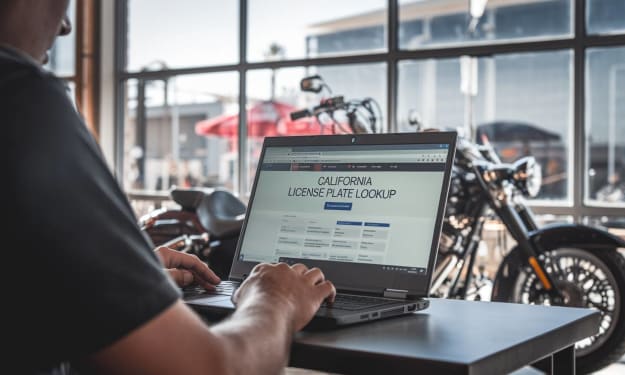
If none of those services provide the answer you’re looking for and leave you with a lingering concern, CarFax is the best tool you can pay for. They offer extensive reports on any vehicle you have doubts about. Their service does cost money, but in the world of buying a used car, it pays to be sure! If you want to check the license plate instead of the VIN number, two sites provide accurate tagging searches. These sites retrieve the reports by using the license plate provided. While the VIN and license plate don’t give you the same results, it isn’t uncommon for one service to have more or less information than the other. Be sure to check both resources to be thorough and fully prepared before making such a big purchase.
18. Case Studies: Real-Life Examples
Believe it or not, a Florida VIN check can save you tons of money. How exactly? With the following two study cases that show how a thorough vehicle history research can save you lots of trouble. Case Study 1: Flipping from the beginning Mickey was interested in opening a side business for some extra money. He began thinking about what to do and researched online shops that sell second-hand things at decent prices. He thought about doing a drop-shipping company or doing some print-on-demand clothes. However, none of them interested him a lot. A few days later, he was talking to one friend about how he was doing, and that friend noticed he was being quite repetitive about it. His friend told Mickey: “The thing is you want to sell stuff, right? Why do not try selling cars? You already buy vehicles, might as well sell them for a retailer price!
This way you can make money on both sides”. He thought that was a great idea so he decided to try it out. It was summer. He was on a break from college and was full of motivation and money. He checked the local market for prices and found that bigger trucks were the most asked. He began checking every site that sells used cars in Florida, trying to find a truck with a good deal. After a week searching, he found one! Nice model, decent price, great reviews! He ran and called the owner. He felt the deal was too good to be true. The folks selling it were curiously moving out of the city. They would rather just sell it out for less money than bringing it with them. Mickey thought he could trust them, but hearing some bells in his head decided to check its Vehicle Identification Number before the purchase. He found out it was part of a robbery a few months back in another state. Scared, he called his friend to tell him about it. That was the end of Mickey’s first flips…well, for now!
19. The Future of VIN Checks
Today, even criminal elements of our society look at the future and how technology is changing the way we live and create products. The VIN and its associated history itself is able to show negative associations such as accident history, flood damage, theft, and lemon laws, as part of the newly digitized information highway. Formerly the domain of monolithic systems, a new world of transactions reliant on what we call the 'permanence' of the VIN and the lowered management investment in the data associated with the VIN are net new experiences.
These decoupled transactions and redundant data pools are managed by a new breed of agent or 'middleware' that address both the security of the personal indicator and the general transaction risk that companies and users face daily in their business transactions and passions. Society has made great strides in building this middleware; at once we're more secure but at the same time the VIN is asked to be a critical part of thousands of daily interactions, many of which require our insight but not necessarily our involvement. The process of verification, eliminating disparate actions from the transaction channel and general ecosystem management of the relations between actors engaged in the transaction will all be empowered by the new revolutionary forces surrounding the VIN.
20. Technology Advancements in Vehicle History Checks
Technology is amazing, isn't it? Cars have become more than just a combination of parts. They come preinstalled with technology that generates millions of gigabytes of data each day. However, we need to be smart about knowing which data to check when buying a used vehicle. You'll be stunned by the portions of these datasets that are available to the public.
Vehicle history reports have been around for more than 30 years. The first reports were delivered through the mail and were based on accident reports and open recalls. While that information is critical and car buyers do want reports that include that data, the world has changed, and so have vehicle data needs. Today, vehicle history reports are generated almost instantly and provide information about a vehicle's relationship to everything from state registration files to collision claims, open recalls, mileage validation, inspections, and an array of additional checks performed by various service providers during the vehicle's life.
Vehicle reports are the only source of all of that information in one place. Many of the trends pushing companies to develop specialized reports — telematics, advanced driver assistance systems, and valuable connected vehicle data — have been in practice for decades and have brought many additional data sources into the vehicle history ecosystem. Insurers, OEMs, and data providers need to know why the vehicle is sitting for a few days in winter, why it was purchased, and what has happened to it since.
21. Consumer Rights in Florida
The Florida Department of Agriculture and Consumer Services and the Florida Office of Financial Regulation provide consumers and businesses with information about consumer and business rights and protections. Florida law mandates that tradespersons, businesses, and others provide services and products as promised — that is, that they do not deceive businesses or consumers, that the service or product is of suitable quality and value, that it functions as satisfactory and lasting as warranted, and that it is provided to the consumer in a reasonable period of time when so promised.
Florida Statutes Chapter 501: The Florida Deceptive and Unfair Trade Practices Act gives the Florida Department of Agriculture and Consumer Services the authority to investigate complaints by consumers who suspect that businesses are engaging in unfair practices, and includes remedy provisions that allow either the Department or private individuals to sue violators. What constitutes an unfair practice? False advertising is a common violation. Under the act, it is illegal to misrepresent a property, goods, or service in the distribution of them. Merchants are required to clearly state the conditions of sales, repairs, and warranties.
Florida Statutes Chapter 537: Consumer Finance Act gives the Office of Financial Regulation the power to enforce and create regulations regarding consumer loans. You have a right to know clear costs of your financial dealings in the areas of consumer loans, credit cards, credit repair, debt-management, funding programs, mortgages, and payday loans. Under the act, lenders must disclose the cost of consumer loans and related services in writing, and any third party not involved in the loan has to be given the proper disclosures.
22. Insurance Implications of Vehicle History
When it comes to insurance for your new (used) vehicle, you probably never expected much to factor into premium pricing beyond the make and model of the car. So what else is a concern for the insurance company? One factor they will consider is the damage history of the vehicle. Many people consider cosmetic damage an eyesore, but if the car has also received repairs to its undercarriage or frame, then you have more than just an aesthetic problem on your hands. Such structural damage could indicate a dangerous risk for your personal safety. Compromised airbags, performance issues, or potential problems with steering or braking may impair your vehicle’s functionality. If any of those things went wrong while you were driving, you could be involved in what could turn into a disastrous situation. Would you trust driving a vehicle that has been rebuilt to share the road with you and your loved ones?
Well, your insurance company may not be willing to cover you, or they may charge you very high premiums for doing so. A car that has been labeled a total loss only to be rebuilt and put back on the road would likely be seen as a much higher risk than a vehicle that has never been tagged with such a label, and your insurance rates would reflect that heightened risk. Although appropriate insurance rates would have you paying a small premium over what a vehicle with an accurate damage history pays, such vehicles are tough to find among the cars currently on the market. Now, if history was accurate and the rebuilt vehicle was as good as a new one, it may be worth going to bat with your insurance agent to find a lower premium. It wouldn't hurt to go inform your insurance company of the rebuilt vehicle's status on its own. After all, it never hurts to ask.
23. Maintaining Your Vehicle's History
Maintaining your vehicle's history doesn't actually require a secret society for car owners who want to get together and chat about the grease stains on the garage floor. It involves keeping their car records handy and in one place, just like keeping your dog vaccination record to make sure you are making regular visits to the vet. If you decide to sell your car, you will want to make sure you keep important documents in order to prove the vehicle's condition, repairs and work done, mileage, past accidents, passengers, among other things to the new buyer that could help make your sale a little easier.
What vehicle records should be kept? Apart from environmental and climate change concerns, which will have some effect on which cars would be worth buying, regardless of vehicle records, any car will need to maintain basic upkeep services. These are: oil changes, tire changes and any repair work, all of which you want to hold on to records for. Important mileage changes will also need to be reported to the DMV and should be kept in mind. So for one, you need to collect all oil change receipts, tire replacement invoices, receipts for factory recalled parts and durations of service. Then, think about any major works done, such as rebuilt transmissions or other mechanical parts, varmint damage, bodywork, interior work, electrical repairs, or accidents and what effect they had on the vehicle and its parts – make sure to collect those receipts too. Another record is the vehicle report, your title history for the car, history of insurance providers, DMV registration history, and whether there are any liens on your car.
24. The Importance of Regular Checks
After the initial check, it's wise to keep tabs. People's circumstances and intentions can shift. Either the seller could pull the wool over your eyes, or you could be duped by something entirely innocent. Either way, a little due diligence can help. You can set reminders based on common ownership and transfer patterns. While motorcycles seem to change hands more often, most vehicles stay with the same owner for at least 4-5 years. So, checking every year might be sufficient. But for vehicles that change hands often, try checking every month. You can also check right before the purchase to stay safe.
But an even better option is to perform regular checks through a company that specializes in vehicle history reports. These companies can give you regular alerts when the history changes. You won't have to check all the time, and you'll be notified immediately when something is changing. Many consumers use these specialty history report companies before purchasing a vehicle. They understand the importance of the information those reports provide. You should too, even if you do own the vehicle already. But while the consumer versions can be helpful, they're not always complete. Multiple entities have access to VIN data, and a car dealer might gather some information you won't be able to access.
25. How to Keep Records for Future Sales
Keeping good records is vital when you own a vehicle and especially when you are reselling it. These records will help you if you encounter any problems and help to make the sale of your vehicle quicker and easier down the track. Not only that, keeping a record of your vehicle's history can help to maximize your sale profit too. This chapter suggests which records you should keep and how you should do it.
Ownership History You will want to keep details of previous ownerships on your vehicle, and if you are planning on doing any work on the vehicle, details on the work carried out. If your vehicle is registered in your name, then you would normally assume ownership of the vehicle. However, if a previous owner has failed to notify the relevant authorities, it is possible for others to have an existing ownership claim.
To help avoid difficulties when you attempt to sell the vehicle, you should ensure that any previous owners of your vehicle, or their heirs, have notified the relevant authorities and your new title is free of all liens or other ownership claims. The best way to do that is to keep a record of the vehicle history. When you purchase a vehicle, make sure to obtain from the seller the Vehicle Identification Number, their name, address, phone number, and signature on some written documentation indicating a sale and/or transfer of ownership. You may also want to take a photocopy or pictures of their photo identification as well.
26. Community Resources and Support
A vast array of nonprofit organizations, churches, and community service organizations are devoted to offering assistance to those in need in Florida. The database for this chapter can be consulted to find social services that are located in your county. A basic guidebook, statewide in scope, is called the Resources for People with Developmental Disabilities. It is a compilation of several agencies that can help out. The agencies listed in this book are really only a tip of the iceberg. It is also highly advisable to check with your religious leaders and other people with disabilities for additional referrals. Many sources of assistance for Floridians do not exist in this guidebook.
The typical division of labor between creationist service organizations and special community service organizations is as follows. The creator service organization is primarily concerned with serving people with disabilities and their families. The purpose of the community services organization is twofold; it seeks to create opportunities for the inclusion of people with disabilities in the family and social life of the community, and then it seeks to help people find those opportunities that already exist. Most of the time it almost completely focuses on creating more services for those in need, with little if any concern for community integration. The problem is somewhere in between, and in different areas at different times, one approach or the other is more needed.
27. Conclusion
Getting a used car is tricky enough, so make sure you don’t fall into any traps. Conduct a full VIN check on the vehicle you want to purchase to learn of any ongoing liabilities, especially if you live in the state of Florida. Buying a vehicle with outstanding debts on it can result in it being repossessed by the bank or financial institution financing it, leading to monetary loss and inconveniences. Similarly, buying a vehicle that has a fake title or is listed as stolen can get you in trouble with the authorities.
And lastly, checking the vehicle history through a VIN check can help determine the overall condition of the vehicle you want to buy. Learning if the vehicle has been involved in an accident or if the frame has been repaired or damaged can play an influential role in your decision. A Vehicle Identification Number (VIN) is an inherent descriptor for motor vehicles, used to identify them worldwide, and is unique for each vehicle. A VIN is to vehicles as a social security number is to individuals. VINs vary in structure by manufacturer and country but are generally a sequence of 17 alphanumeric characters. In America, parity has been achieved in VIN design through Federal regulations which include specifications for the VIN format, its location on the vehicle, and requirements for certification of vehicle manufacturers. It is important to note that other transportation-related vehicles like mopeds, motorcycles, boats, trailers, and mobile homes also have a unique identifier, although VINs only pertain to certain road vehicles.
About the Creator
Old Phone Cozy
At some point, almost everyone reaches the same moment. Your phone still works, but it’s no longer new. The battery isn’t perfect. The camera isn’t the latest. Updates arrive more slowly. And yet, when you think about replacing it, you hesitate.
By abualyaanartabout 3 hours ago in Lifehack
To the mountains with children
Family hikes with children in Bukovel have their advantages. In addition to the standard "set of impressions and entertainment", here you can pick wild berries, swim in a crystal clear mountain lake, go fishing under the supervision of adults, visit popular tourist locations or get acquainted with Hutsul cuisine. Each hike can be called a modern and fun method of education. In a relaxed circumstance, the child learns to communicate, support others, cope with difficulties and believe in himself, replenishes knowledge about Ukraine, acquires useful skills for life in the "wild».
By Olaf Podolskia day ago in Lifehack


Comments
There are no comments for this story
Be the first to respond and start the conversation.