
Squeaky Intruders: How To Keep Rodents Out
Keep Rodents Out: Simple Tips for a Pest-Free Home

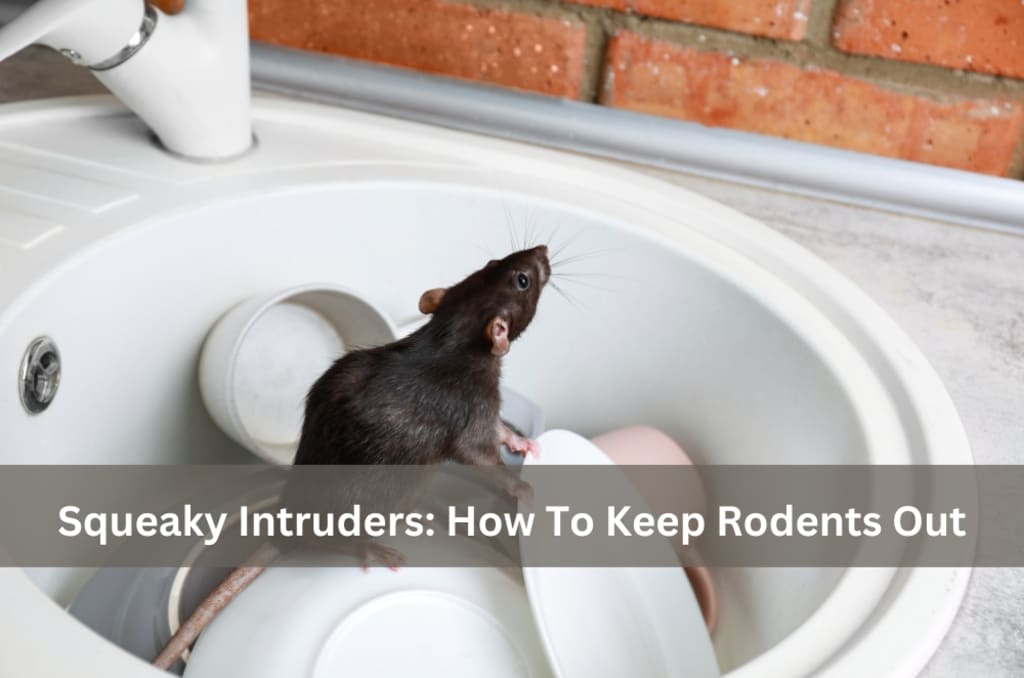
Those tiny creatures, known as rodents, can make your beautiful home a complete mess. So, from the noises one hears behind the walls to the possible health complications that come with it, it is crucial. They are not only a nuisance but can become a source of substantial property damage and pose a risk to the lives of your loved ones. Acting quickly is essential. If you are having a current issue with rodents or trying to avoid a problem with rodents, there are certified rodent control services that can help you. But first, let’s take a look at how you can prevent or lessen the damage in your home.
Understanding the rodent problem
Rodents are known to inhabit homes and other commercial buildings. They enjoy eating and drinking, are shelter lovers, and can squeeze themselves through tiny holes to intrude into your compound. Some are mice and rats; both are almost certain to cause extensive damage to the property apart from posing health risks to the occupants of the house.
Since rodents reproduce very fast, this can be hazardous because a small problem will soon become a big one. Knowledge of what attracts them and how they conduct themselves is the first step towards managing or eliminating rodent invasions.
The risks of rodent infestation
A rodent infestation can lead to multiple issues, including:
- Property damage: Mice and rats are able to gnaw around objects and can chew through electrical cables, insulated pipes, and the framework of a structure. Such behaviour may lead to fires and expensive repairs.
- Health risks: They are carriers of diseases such as hantavirus, salmonellosis, and leptospirosis, among others. They are said to contaminate foodstuffs and other surfaces by ingesting droppings, urine, and hair.
- Food contamination: Sometimes, rodents can be found in your pantry, destroying food and, in some cases, causing illness.
- Psychological distress: When the house occupants are aware of rodents in the house, they experience stress and inconvenience.
Knowing the risks is why prevention efforts are so important: to ensure that your home remains protected from these rodents.
Prevention is key
The best way to handle rodents is to prevent them from getting into your home. Here are some preventive measures:
- Seal entry points: Look for spaces in the walls, around doors and windows, pipelines, and foundations. These should be sealed using caulk, steel wool, or expanding foam.
- Eliminating food sources: Cover food with airtight lids, wipe the floor with a damp cloth, and throw garbage in closed containers.
- Water source management: Repair any dripping taps, pipes or shower and bath waste outlets. Avoid having bowls, plant trays or any other containers containing water that is left to stand.
Common rodent entry points
Rodents are excellent at sneaking into your home and can easily find their way through tiny gaps.
- Gaps around pipes and wires: Look for openings where utilities enter your home and seal them securely.
- Cracks in foundations and walls: Tiny crevices on the wall are also enough to become a signal for rodents.
- Openings around doors and windowsOp: Check that door sweeps and weather stripping are in good condition and proper working order.
- Vents and chimneys: These areas are usually not considered, but they give direct access to attics or crawl spaces, for example.
Knowing all these risks and trying to resolve them significantly decreases the chances of rodents penetrating your area.
Creating an uninviting environment
To discourage rodents, make the place not so attractive to them. Follow these steps:
- Proper food storage: Pet foods, like all other foods, should be stored in rodent-proof containers that are easily closable within the shortest time possible.
- Waste disposal: Empty the garbage bin every day and ensure that the bin has a lid that is closed all the time.
- Yard maintenance: Mow the lawn, shear the bushes, sweep the garbage, and remove the firewood from your house.
Rodents are exploitative; by denying them chances to get their meals, water or shelter quickly, you make your space less appealing to them.
Natural deterrents
Chemical repellents are also efficient, but people like using natural ways to get rid of these household bugs. Here are a few options:
- Peppermint oil: The odour of peppermint oil is repulsive to rodents. Place these cotton balls where the rodents go or are likely to go.
- Cayenne pepper: Some recommend putting a small amount of cayenne pepper in these places or areas where the rodents may enter or exit.
- Mothballs: Their dislike of things with a pungent smell means that mothballs, which have such a smell, are dangerous to pets and children.
- Ultrasonic repellents: These devices produce high-pitched sounds that are as irritating to rodents as they are inaudible to humans.
The use of natural repellents together with the preventives enhances the prevention of infestations in a very significant way.
Rodent-proofing your home
Rodent-proofing your home involves a thorough approach to eliminating vulnerabilities. Here’s how to rodent-proof effectively:
- Inspect your home: walk around your property to identify and document potential entry points.
- Seal openings: Use durable materials like steel wool or hardware cloth to block holes and gaps. Avoid materials like foam or plastic that rodents can chew through.
- Install screens: Always block entries, such as cover vents, chimneys, and other openings, with fine mesh screens.
- Prune overhanging limbs: Mice and rats can walk on branches like a bridge and get to your house, so trim your trees' branches to some distance from the roof.
When to call the professionals
However, at other times, the infestation is usually too severe to be dealt with individually. If you observe signs of continuous infestation, including feces, bitten wires, or strange noises, you may need to contact a pest eradication control agency.
Employing professional pest control personnel provides them with experience and tools for pest eradication. The technician can also advise and suggest measures suitable for your home’s weaknesses and give long-term rat control solutions.
Conclusion
Rodent prevention and control are crucial to ensure safe and healthy living. Knowing that rodents pose risks and preparing ahead of time—such as sealing entry points, removing attractants, and using repellents—can help prevent infestation problems. But if you have a severe infestation and you want to hire a professional exterminator, all you have to do is dial the phone.
Do not delay in acting; act before things get worse. Get rid of these rodents from your home, and you will be comfortable and safe from the diseases they cause. Take action today to ensure peace of mind.
About the Creator
Keep reading
More stories from writers in Lifehack and other communities.
Moving After Selling a Home in the United States: What to Expect From the Process
Selling a home and preparing for a move often happen at the same time, turning an already emotional moment into a complex logistical process. For many homeowners in the United States, this transition is not just about changing addresses. It represents a shift in lifestyle, priorities, and routines, all unfolding under the pressure of deadlines and expectations.
By House Doctor2 days ago in Lifehack


Comments (1)
I appreciate how you explain the importance of prevention and provide actionable steps to rodent-proof a home.