
Solar Power System for Home: Microinverter vs. Hybrid Inverter in 2025
Compare microinverters vs. hybrid inverters for home solar systems in 2025. Learn which option maximizes efficiency, storage, and cost savings for your energy needs.

As the global shift toward renewable energy accelerates, homeowners are increasingly investing in solar power systems to reduce electricity bills and enhance energy independence. Among the critical decisions in setting up a solar energy system is choosing the right type of inverter. In 2025, microinverters and hybrid inverters are the two most popular choices, each offering unique benefits. Understanding their differences can help homeowners make an informed decision.
What is a Microinverter?
A microinverter is a small inverter installed on each solar panel to convert direct current (DC) into alternating current (AC) at the panel level. Unlike traditional string inverters, microinverters optimize each panel individually, increasing system efficiency and reliability.
Pros of Microinverters
1. Higher Energy Yield: Since each panel operates independently, shading or malfunction in one panel does not affect the performance of the entire system.
2. Enhanced Safety: Lower DC voltage reduces fire risks, making microinverters a safer option for residential installations.
3. Easier Maintenance and Monitoring: Homeowners can monitor individual panel performance and quickly identify issues.
4. Scalability: Ideal for homeowners planning to expand their solar capacity over time.
Cons of Microinverters
1. Higher Initial Cost: The per-panel inverter setup increases installation costs compared to a centralized system.
2. Complex Installation: Requires more wiring and components, potentially increasing labor costs.
What is a Hybrid Inverter?
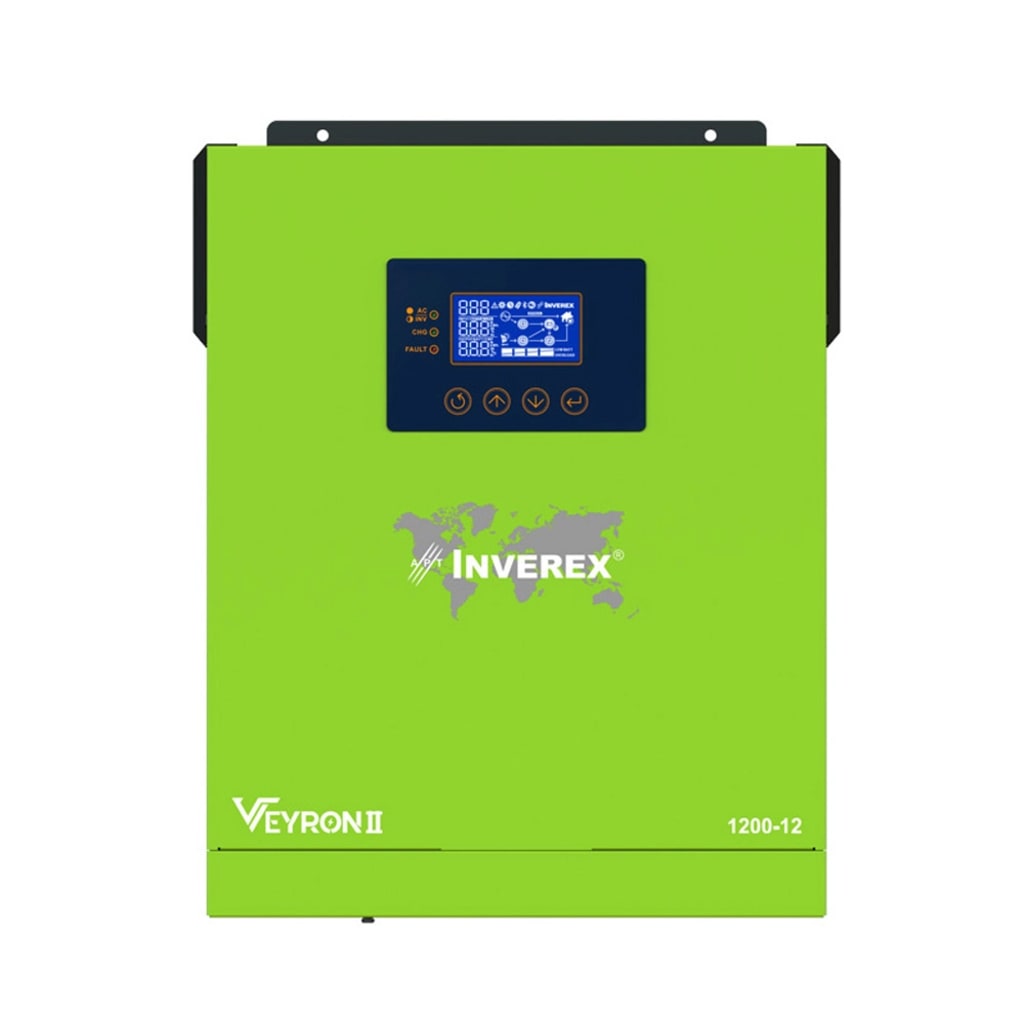
A hybrid inverter combines a traditional solar inverter with battery storage capabilities. It converts solar-generated DC electricity into AC while also managing energy storage in batteries for later use. Hybrid inverters support grid-tied, off-grid, and backup power functionalities.
Pros of Hybrid Inverters
1. Battery Integration: Supports energy storage, allowing homeowners to use solar power at night or during outages.
2. Smart Energy Management: Balances solar production, battery charging, and grid usage efficiently.
3. Lower Cost Compared to Separate Systems: Eliminates the need for a separate battery inverter.
4. Grid Independence: Provides backup power during blackouts and reduces dependency on the grid.
Cons of Hybrid Inverters
1. Limited Optimization per Panel: Unlike microinverters, hybrid inverters depend on a string setup, meaning shading on one panel can impact overall performance.
2. Higher Upfront Cost with Batteries: Batteries significantly increase the system’s initial investment.
3. Potential Efficiency Loss: Energy conversion from DC to AC and back to DC for battery storage can cause slight efficiency losses.
Microinverter vs. Hybrid Inverter: Which One is Right for You?
The best choice depends on your energy goals, budget, and location:
• Choose Microinverters if you want maximum efficiency, individual panel optimization, and a scalable system without batteries.
• Choose Hybrid Inverters if you prioritize energy storage, blackout protection, and a cost-effective integrated system for both solar and battery storage.
Cost Considerations and Long-Term Savings
When evaluating the investment in a solar power system, homeowners should consider both initial installation costs and long-term savings. While microinverters tend to have a higher upfront cost due to their panel-level installation, they can improve overall system efficiency and lead to greater energy savings over time. Hybrid inverters, on the other hand, provide energy security and independence but may require a significant initial investment if battery storage is included. Homeowners should weigh these factors against their expected energy usage, local electricity rates, and available government incentives or rebates to make the most financially sound decision.
Conclusion
Both microinverters and hybrid inverters offer compelling advantages for homeowners looking to harness solar power in 2025. Microinverters excel in maximizing solar output per panel, while hybrid inverters provide energy storage capabilities and grid independence. By evaluating your home’s energy needs, budget, and long-term plans, you can make an informed decision and optimize your solar investment for years to come.
About the Creator
Keep reading
More stories from Michal Smith and writers in Lifehack and other communities.
“I Forgot How to Be Bored (And It Was Ruining My Focus)”
Let’s be real—my phone was low-key ruining my life. I’m gonna be 100% honest: it got pretty embarrassing. I reached a point where I couldn’t even wait for the coffee to brew without my hand "magically" grabbing my phone. It wasn’t even a choice anymore; it was just this mindless, zombie-like reflex. I’d spend an hour scrolling through absolute junk and then realize I didn't remember a single thing I saw. My focus? Completely trashed.
By Demiana Louis Boshra3 days ago in Lifehack
The AI Ecosystem in 2026
By 2026, the ecosystem of artificial intelligence will have matured beyond experimentation and early adoption. It is now a complex, interconnected infrastructure shaping industries, markets, institutions, and everyday life. AI is no longer a niche technology: it is a foundational layer of the digital economy, much like the internet itself. Understanding this ecosystem requires looking beyond models and algorithms to the roles, relationships, and platforms that make AI an essential and sustainable force.
By Sathish Kumar 5 days ago in Lifehack


Comments
There are no comments for this story
Be the first to respond and start the conversation.