
Solar Batteries vs. Traditional Backup Generators
Solar power is becoming increasingly popular in Australia, and more people are looking into solar battery storage solutions.

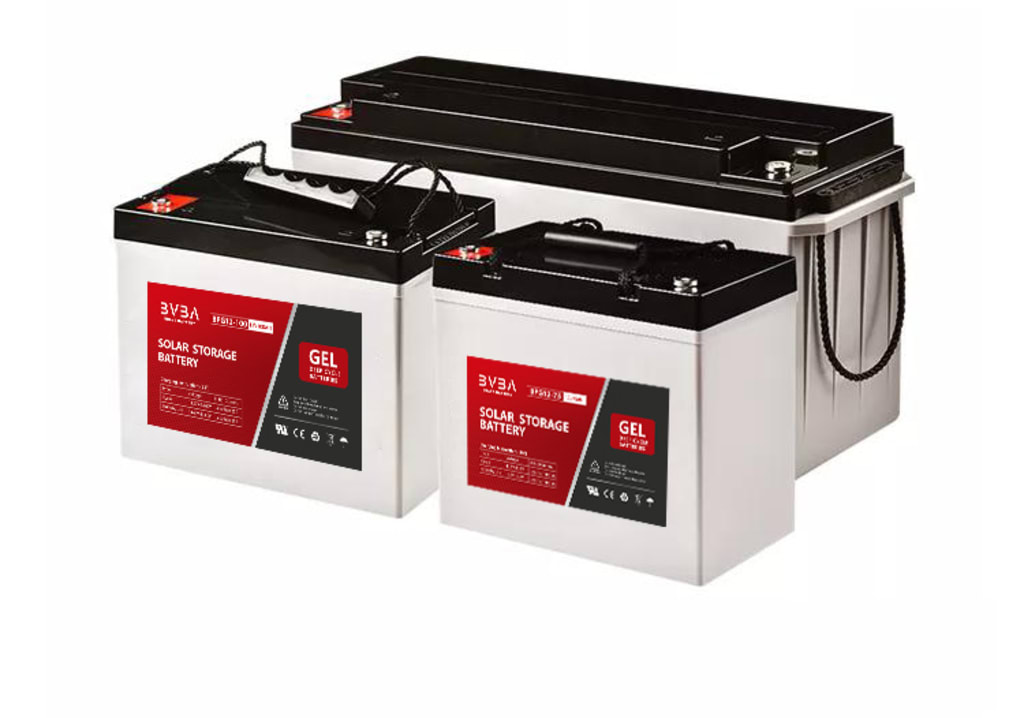
As energy efficiency becomes a cornerstone of sustainable living, Australians are increasingly exploring alternatives for reliable, eco-friendly backup power. Under the Australian government’s energy efficiency programs, homeowners are encouraged to make smarter, greener energy choices. This has sparked a debate: solar batteries or traditional backup generators—which is better for your energy needs?
Understanding Solar Batteries
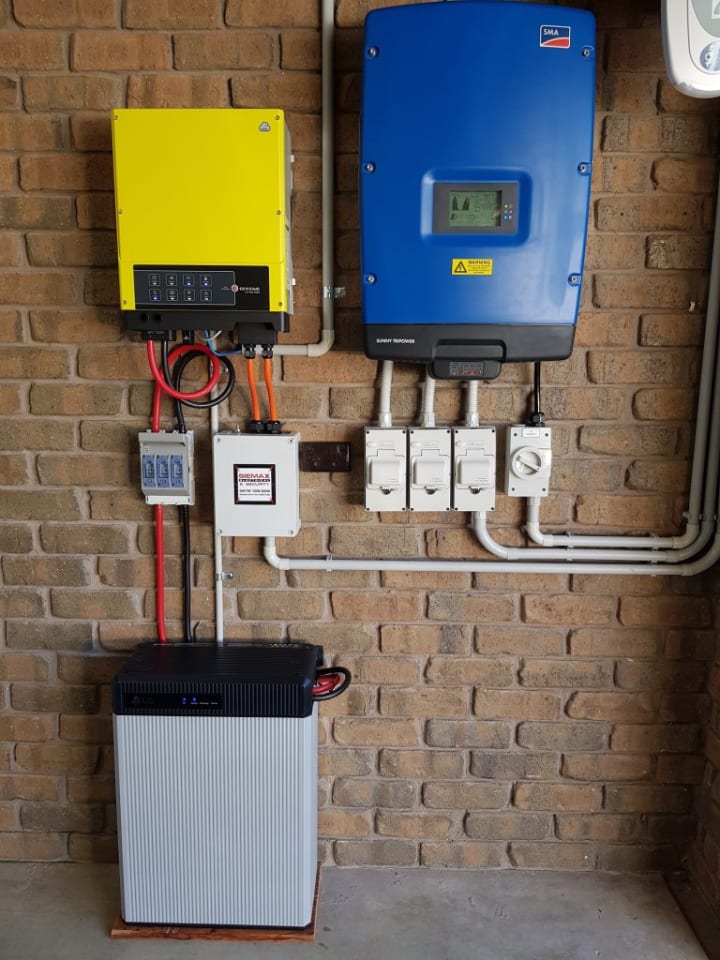
Solar batteries store excess energy generated by solar panels during the day. This stored power can be used during the night or in the event of a power outage. Popular options include lithium-ion batteries, which are efficient, long-lasting, and environmentally friendly.
Advantages of Solar Batteries:
Eco-Friendly: Zero carbon emissions, supporting Australia’s clean energy goals.
Cost Savings: Reduces reliance on grid electricity, lowering energy bills.
Quiet Operation: Solar batteries operate silently, unlike noisy generators.
Government Incentives: Rebates and subsidies under programs like the Small-Scale Renewable Energy Scheme (SRES) reduce installation costs.
Limitations:
Higher upfront cost compared to traditional generators.
Efficiency depends on solar panel performance and battery capacity.
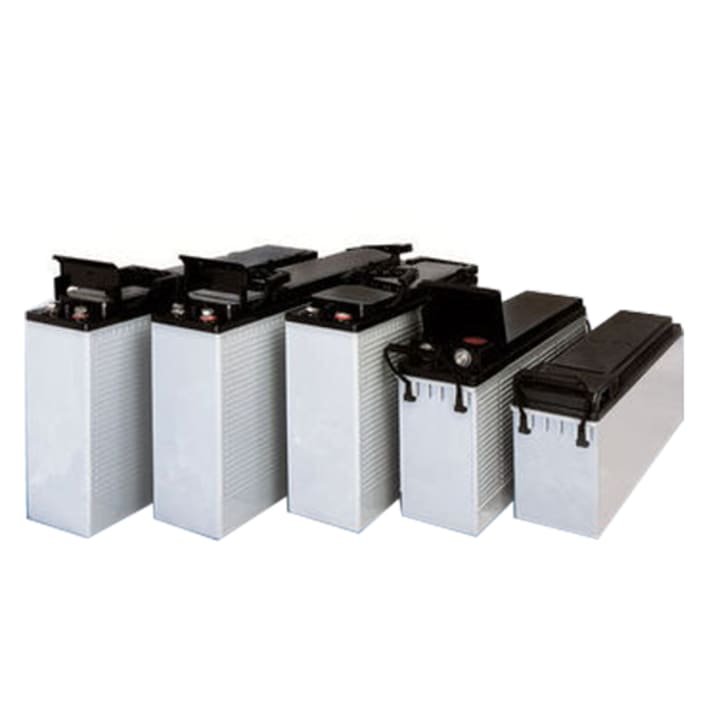
Traditional Backup Generators Explained
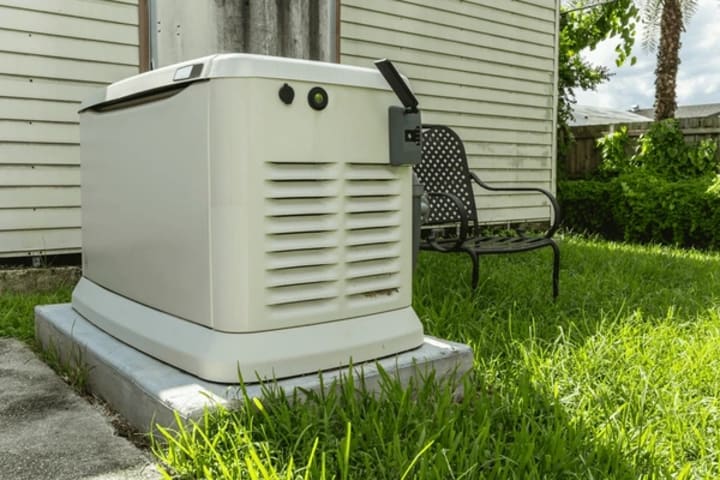
Backup generators run on fuels like diesel or natural gas, providing power during outages. They are often used for emergency or off-grid applications.
What are the Pros and Cons of Traditional Generators?
Pros:
Lower Initial Cost: It’s usually less expensive to buy and set up.
Reliable: They can keep giving you power no matter what the weather is like.
High Output: Able to quickly run a whole house.
Cons:
Cost of Fuel: The prices of fuel over time can add up.
Maintenance: They need to be cared for and maintained regularly.
Noise: They may be loud and bother the peace.
Effects on the Environment: They pollute the air by giving off fumes.
Advantages of Traditional Generators:
Lower Initial Cost: Typically more affordable to purchase and install.
On-Demand Power: Provides immediate electricity during blackouts, regardless of weather conditions.
Limitations:
High Running Costs: Requires regular fuel refills and maintenance.
Environmental Impact: Emits greenhouse gases, contributing to climate change.
Noise Pollution: Generators are often loud and disruptive.
Limited Efficiency Incentives: Few government rebates or programs for fossil-fuel-powered generators.
Why Solar Batteries Are the Future
The Australian government is actively supporting renewable energy solutions through various programs and incentives. Solar batteries align with these initiatives by reducing dependence on fossil fuels and promoting energy independence. Programs like Victoria’s Solar Homes Program and NSW’s Empowering Homes scheme make solar battery installation more affordable for homeowners.
Solar batteries also integrate seamlessly with solar panels, allowing households to maximise self-generated energy. This combination creates a more sustainable and cost-effective energy system compared to traditional generators.
Making the Right Choice
While traditional generators may suit short-term or emergency needs, solar batteries provide a sustainable, long-term solution aligned with Australia’s clean energy goals. The decision depends on your energy requirements, budget, and commitment to reducing your carbon footprint.
Conclusion
With government incentives and the push for energy efficiency, solar batteries emerge as the clear winner for most Australian households. Make the switch today and take advantage of the benefits under Australia’s energy efficiency upgrades!
Solar batteries and regular backup engines are both good and bad in different ways. The first cost of solar batteries is high, and they rely on the weather. However, they are good for the environment, quiet, and have low running costs.
It’s important to think about your income, energy needs, location, and how the choice will affect the earth. Sometimes, having both systems together might be the best way to make sure you always have power, no matter what. The best backup power for your home will depend on how well you understand the differences and weigh the pros and cons.
About the Creator
Hazel Zara
We have a business association with industry brands and a legacy of serving our clients flawlessly. iPromise is a 100% Australian owned and operated energy company known for providing energy-saving solutions and upgrades across Australia.
Keep reading
More stories from Hazel Zara and writers in Lifehack and other communities.
Commercial Solar Rebates Under Small-Scale Renewable Energy Scheme VIC
The Small-Scale Renewable Energy Scheme (SRES) is an Australian Government initiative designed to encourage the adoption of renewable energy systems, including solar photovoltaics (PV), by providing financial incentives to households and businesses. In Victoria, commercial entities can significantly benefit from this scheme when installing solar PV systems.
By Hazel Zara12 months ago in Lifehack
Comfee vs Aroma Rice Cooker: Which One Is Better?
When I compare Comfee vs Aroma rice cooker, I look at what really matters in a busy kitchen: taste, time, and ease. I’ve spent hours reading specs and reviews, and I notice small details can make a big difference in daily cooking. Here’s how Comfee and Aroma stack up, what I like about each, and which one may fit your routine best.
By Mohammed mamun5 days ago in Lifehack
Planning a Camper Van Trip? Here’s What You Should Carry
By the time you get back home and have parked the car at the end of the trip, the memories are usually impeccable- the peaceful mornings, the unexpected scenery and the open road. What the majority of people keep in their minds equally vividly, however, are the things they regret not having brought with them. An absent cable, a tool that was left behind or a safety measure can make a wonderful journey a stressful one. That is the reason why smart packing is important way before you switch the key.
By Deborah Larsonabout 14 hours ago in Lifehack




Comments
There are no comments for this story
Be the first to respond and start the conversation.