
Simple Upgrades That Make a Big Difference in Your Power Bill
Smart, Simple Fixes to Lower Your Energy Bill Without Lifting a Hammer
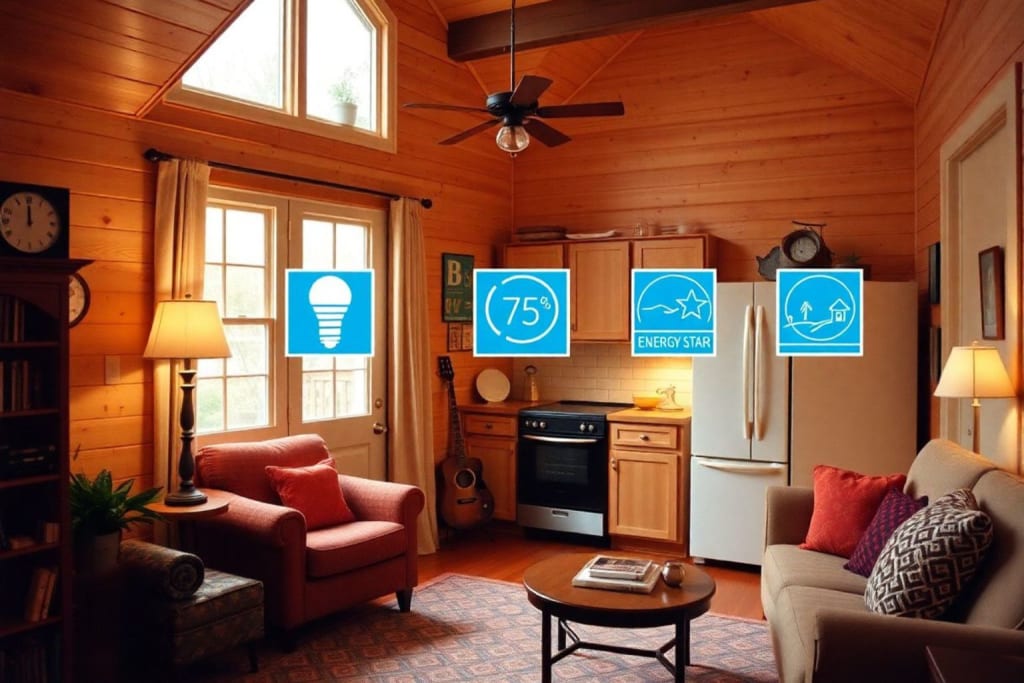
When we think of reducing utility bills, sweeping renovations often come to mind—but small changes can yield surprisingly large returns.
Below are practical upgrades - many inexpensive, some funded by rebates—that can significantly reduce energy costs without turning your home upside down.
1. Switch to LED Lighting and Smart Controls
Lighting accounts for roughly 11% of a typical household’s energy use. Swapping out incandescent bulbs for LED replacements can reduce lighting energy usage in your home by 50% to 75%. Beyond that, installing occupancy sensors, timers, or daylight-driven dimmers in high‑use areas (kitchens, hallways, home offices) ensures lights are only on when needed.
This is a quick, kid‑friendly swap: unscrew an incandescent, screw in an LED, and enjoy years of lighting life, energy-efficient lighting, plus rebates in many states.
2. Seal Drafts and Add Insulation—Especially in Attics and Windows
Heating and cooling represent approximately 43% of home energy use, and up to 25–40% of that is lost through air leaks around doors, windows, and attic hatches.
Caulking windows, weatherstripping doors, and adding foam outlet gaskets can cut energy waste by 20–30%, saving as much as $280 annually in cold weather alone.
Installing or topping up insulation - particularly in the attic - can reduce annual energy bills by 10–45%. Storm windows can reduce heat loss 25–50%. Many local utilities offer free home energy audits and incentives to help pay for these upgrades.
3. Upgrade to a Smart or Programmable Thermostat
A programmable thermostat (one that adjusts temperature automatically based on routines) can reduce energy bills by about 10% per year. A step up: a smart thermostat that learns patterns.
Studies show typical households save approximately 9.6% on heating fuel and 17.5% on cooling power after installation.
Many of these devices come with features like remote control, peak-demand alerts, and filter-change reminders - factors that help systems run more efficiently and reduce waste.
4. Modernize HVAC and Appliances

Upgrading an aging HVAC system - cleaning ducts, replacing old furnaces or condensers, or switching to high‑efficiency models—can reduce heating and cooling energy use by 20–50%.
Energy Star appliances - refrigerators, dishwashers, washing machines, dryers—use substantially less energy than those made during or before the early 2000s. Replacing a fridge from 2001 with a modern model saves about 40% of its energy load.
Overall, upgrading major appliances can reduce total bills by 10–30%, and typical households save about $450 per year through Energy Star labels.
5. Manage Standby (Vampire) Power
Electronics left plugged in - such as chargers, gaming consoles, and appliances—can consume power even when “off,” contributing 5–10% of household electricity usage and costing if left unchecked. Smart power strips, turned off when devices aren’t in use, can save an estimated $100–200 annually and shave up to 10% off your bill.
6. Upgrade Water Heating Efficiency
Water heating typically takes up about 12–20% of a home’s energy consumption. Swapping to a heat‑pump water heater or perfectly insulated tank can save $200–550 per year depending on your current system.
These systems draw ambient heat instead of relying only on electric resistance—making them much more efficient.
7. Take Advantage of Federal Incentives and Rebates
The Inflation Reduction Act and other programs offer tax credits and rebates covering 30% of the cost of energy-efficient windows, doors, insulation, water heaters, HVAC upgrades, and more—up to certain limits (e.g., $600 for efficient windows, $2,000 for heat‑pump water heaters).
In 2023 alone, over 3.4 million families benefited, collectively saving $8.4 billion on clean energy spending.
Despite the availability, only around 1.7% of eligible tax returns claimed the Home Improvement Credit in 2023 - indicating a large untapped potential.
Putting It Together: A Sample Package
Upgrade: LED lighting + smart controls
Estimated Annual Savings: $150–225
Notes: Replaces incandescent lighting
____________________________________________________
Upgrade: Sealing drafts + insulation
Estimated Annual Savings: $200–400
Notes: Caulking, weather‑stripping, attic insulation
____________________________________________________
Upgrade: Smart thermostat
Estimated Annual Savings: $50–100
Notes: Programmable or learning model
____________________________________________________
Upgrade: Appliance upgrades (Energy Star)
Estimated Annual Savings: $200–450
Notes: Fridge, dishwasher, washer, etc.
____________________________________________________
Upgrade: Smart power strips
Estimated Annual Savings: $100–200
Notes: Cuts idle electronics use
____________________________________________________
Upgrade: Water heater upgrade
Estimated Annual Savings: $200–550
Notes: Heat‑pump models
Many upgrades overlap in efficiency, and local rebates/tax credits can cut upfront costs deeply - bodying returns in 1-3 years. Combined, many households reduce energy bills by 30–50% overall, and in some cases even more when bundled with insulation and HVAC modernization.
From Intention to Action
- Start small: switch out ten bulbs to LEDs and use power strips for major electronics.
- Then do a DIY draft audit: candle tests or incense help find leaks to seal.
- Next, install a programmable or smart thermostat and set temperature setbacks when away.
- Schedule HVAC maintenance or consider replacing aging units.
- Finally, replace old appliances and water heaters gradually—timing replacements with potential tax credits and rebates is smart.
Also consider a professional energy audit or inquire with your utility company about weatherization programs. Some utilities provide free services and kits to seal your home.
Why These Upgrades Matter Beyond the Bill
- Comfort: Eliminating drafts and adding insulation keeps interiors more even in temperature.
- Durability: LED bulbs last many years, high‑efficiency HVAC runs less strain on the system.
- Resale Value: Buyers pay as much as 5% more for high-performing energy‑rated homes.
- Environmental Impact: Lower energy use equals fewer emissions—not just cost savings.
Final Thoughts
It’s easy to underestimate what small improvements can do—but real savings happen when you focus on the biggest energy hogs: lighting, heating and cooling, leaks, and standby power.
Many of these fixes are quick, low‑cost, and supported by incentives, meaning most homeowners see a return in just a couple years. From there, the savings only stack.
If you’d like help mapping out upgrades tailored to your climate, your home age, or the rebate programs in your zip code, I can help walk through those specifics.


Comments
There are no comments for this story
Be the first to respond and start the conversation.