
Should You Seek Peace, Serenity, and Healing by Visiting Temples?
Discover the transformative power of temple visits as a pathway to peace, serenity, and healing. Explore how these sacred spaces can provide mindfulness, emotional solace, and spiritual growth, while uncovering tips to make you

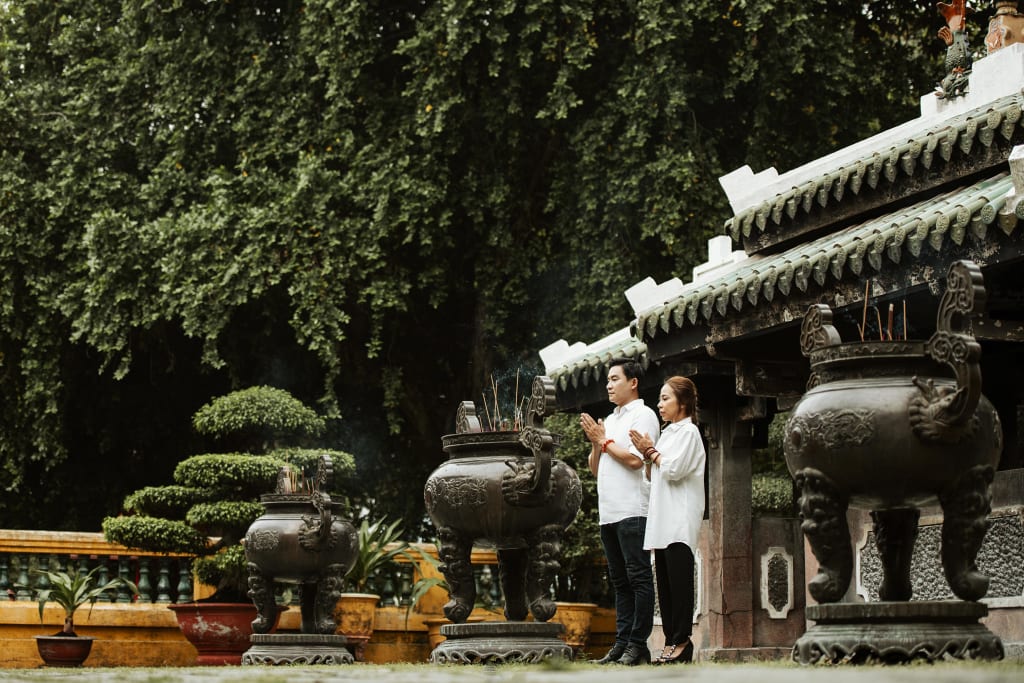
In today’s fast-paced world, where stress, anxiety, and burnout have become everyday struggles, more people are turning to spiritual and meditative practices to find solace. Among these, visiting temples—be they Buddhist, Hindu, or any other—has emerged as a popular choice for those seeking peace, serenity, and inner healing. But is this an effective method for everyone? Let’s dive deeper into the subject.
The Allure of Temples as Sanctuaries
Temples have long been associated with spirituality, reflection, and a sense of connection to something greater than oneself. The atmosphere of a temple—characterized by its silence, the aroma of incense, the soothing chants, and the calming architecture—naturally encourages mindfulness and introspection. For centuries, these sacred spaces have served as havens where people can detach from the chaos of the outside world and reconnect with their inner selves.
But why do temples seem so effective in fostering peace and healing?
Mindfulness and Meditation: Many temples encourage or facilitate practices such as mindfulness meditation and prayer. These practices have been scientifically proven to reduce stress, improve emotional regulation, and promote mental clarity.
Sacred Energy: Temples are often believed to be spaces imbued with positive energy, thanks to their spiritual significance and the collective devotion of countless visitors over the years. Whether or not you subscribe to this belief, the focused energy of a temple environment can help individuals feel grounded.
Community and Connection: Visiting a temple often involves engaging with a community of like-minded individuals. This shared spiritual journey can foster a sense of belonging and reduce feelings of isolation, a common issue in modern society.
Rituals and Symbols: Participating in rituals or simply observing them can have a therapeutic effect. Rituals provide structure, a sense of purpose, and an opportunity to reflect on life’s challenges and aspirations.
Benefits of Visiting Temples for Healing
1. Emotional Healing
For those grappling with grief, heartbreak, or emotional turmoil, temples can offer a space to release pent-up emotions. The serene ambiance encourages self-expression and self-compassion, helping individuals process their feelings in a non-judgmental environment.
2. Spiritual Growth
Temples often serve as spaces to explore deeper questions about life, purpose, and existence. For many, these reflections lead to spiritual growth, which in turn fosters resilience and a greater sense of inner peace.
3. Physical Relaxation
The act of sitting quietly in a temple, focusing on chants, or simply soaking in the peaceful environment can lower blood pressure, slow the heart rate, and relax the muscles. These physiological benefits are closely tied to reduced stress levels and overall well-being.
Limitations and Considerations
While temples can be powerful sanctuaries, they might not work for everyone. Here are a few factors to consider:
Cultural and Religious Comfort: Not everyone feels at ease in a temple setting, especially if the religious or cultural practices are unfamiliar. Respect and openness are key, but comfort should not be overlooked.
Expectations vs. Reality: Some people visit temples with the expectation of immediate transformation or healing. While temples can provide tools and an environment conducive to peace, the actual journey of healing often requires time, effort, and patience.
Personal Preference: Not everyone connects with spirituality or religion in the same way. For some, nature walks, art therapy, or even physical exercise might be more effective methods of finding peace.
Accessibility: Depending on where you live, visiting temples regularly might not be practical. In such cases, creating a serene corner in your home for meditation or prayer can serve as an alternative.
Tips for Making the Most of Your Temple Visits
If you decide to explore temples as a pathway to peace and healing, here are a few tips to enhance your experience:
Do Your Research: Learn about the temple’s history, rituals, and etiquette before visiting to ensure a respectful and meaningful experience.
Set an Intention: Before you enter the temple, take a moment to reflect on why you’re there. Setting an intention can help focus your mind and make the visit more impactful.
Practice Mindfulness: Be fully present during your visit. Observe the sounds, smells, and sights, and let yourself be immersed in the moment.
Engage with the Community: If you feel comfortable, participate in group activities like chanting, prayer, or meditation sessions. These can deepen your connection to the space and the people around you.
Reflect Post-Visit: After your visit, take time to journal or meditate on how the experience affected you. This reflection can help solidify the benefits of your visit.
10 Temples That Inspire Peace and Serenity
If you’re seeking temples that are renowned for their serene atmosphere and healing qualities, consider adding these to your list:
Wat Phra That Doi Suthep (Thailand): Perched atop a mountain, this Buddhist temple offers breathtaking views and a serene atmosphere perfect for meditation.
Borobudur (Indonesia): This iconic Buddhist temple complex is a UNESCO World Heritage site and an incredible place for introspection and spiritual connection.
Golden Temple (India): Known as Harmandir Sahib, this Sikh temple in Amritsar radiates peace and welcomes people from all walks of life.
Kinkaku-ji (Japan): Also known as the Golden Pavilion, this Zen Buddhist temple in Kyoto is surrounded by tranquil gardens and a reflective pond.
Shwedagon Pagoda (Myanmar): One of the most sacred sites in Buddhism, this golden stupa is a haven for prayer and reflection.
Angkor Wat (Cambodia): Originally a Hindu temple, now a Buddhist site, Angkor Wat’s majestic beauty and historical significance make it a powerful spiritual destination.
Jokhang Temple (Tibet): Considered one of the holiest temples in Tibetan Buddhism, it’s a center for pilgrimage and spiritual practice.
St. Michael’s Mount (England): While not a traditional temple, this historic site exudes serenity and offers a unique spiritual experience.
Mahabodhi Temple (India): A UNESCO World Heritage site, this is the location where Buddha is said to have attained enlightenment.
Ta Prohm (Cambodia): Known for its harmonious blend of nature and architecture, this temple inspires peace and wonder.
Conclusion: Is Visiting Temples Right for You?
The decision to seek peace, serenity, and healing through temple visits is deeply personal. For many, temples offer a unique blend of tranquility, structure, and spiritual connection that fosters inner growth and healing. For others, alternative practices may be more aligned with their needs and beliefs.
Ultimately, finding peace and healing is about discovering what resonates most with your heart and soul. Whether it’s through temples, nature, or other means, the journey itself is just as important as the destination.
About the Creator
Thousand Sunny
Thousand Sunny chủ quản của 1Love - App hẹn hò, kết bạn sẽ giúp mọi người tìm kiếm những mối quan hệ chân thành và bền vững. Bạn đang tìm kiếm tình yêu, 1Love mang đến cho bạn không gian an toàn và ứng dụng dễ sử dụng.
Keep reading
More stories from Thousand Sunny and writers in Lifehack and other communities.
The AI Ecosystem in 2026
By 2026, the ecosystem of artificial intelligence will have matured beyond experimentation and early adoption. It is now a complex, interconnected infrastructure shaping industries, markets, institutions, and everyday life. AI is no longer a niche technology: it is a foundational layer of the digital economy, much like the internet itself. Understanding this ecosystem requires looking beyond models and algorithms to the roles, relationships, and platforms that make AI an essential and sustainable force.
By Sathish Kumar 2 days ago in Lifehack




Comments
There are no comments for this story
Be the first to respond and start the conversation.