
Seepage: The Silent Enemy Destroying Your Home from Within
How Moisture Weakens Walls, Causes Costly Damage, and What You Can Do to Protect Your House for the Long Term
“Seepage – The Silent Enemy of Your Home”
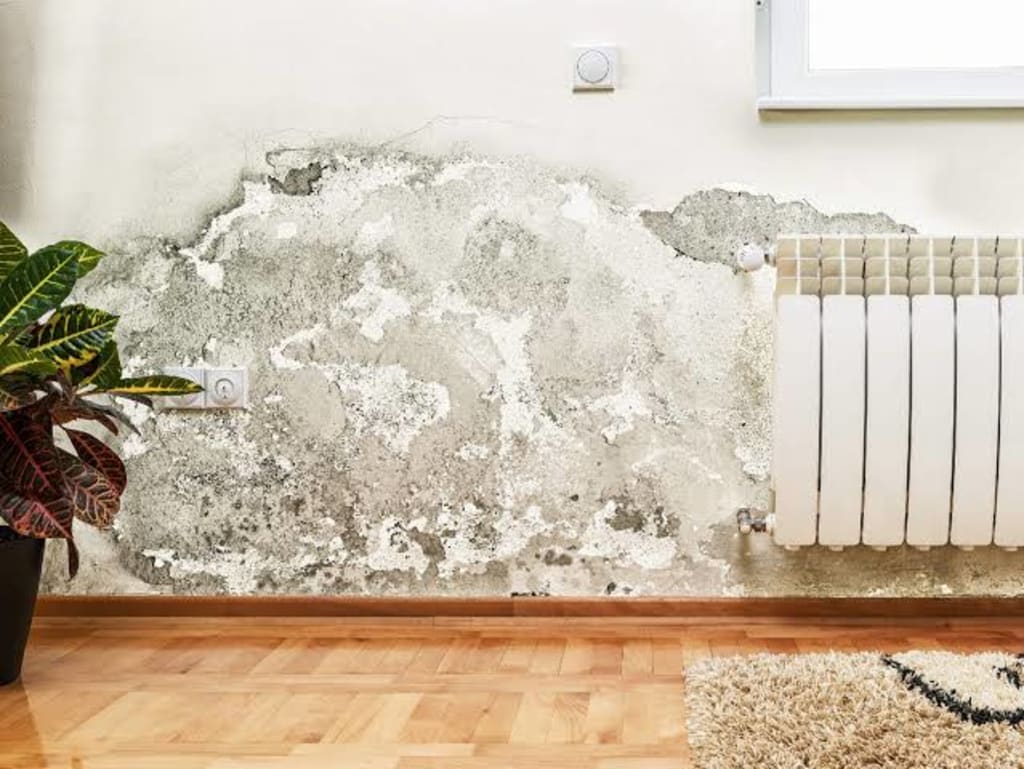
In Pakistan, an alarming number of homes—nearly 90%—experience a common yet often overlooked issue: walls begin to peel, paint starts chipping off, plaster feels damp, and a persistent mustiness lingers in the air. This quiet destroyer is known as “seepage” or dampness. It is a hidden menace that slowly hollows out entire structures, weakening them from the inside while causing cosmetic damage that turns once-beautiful rooms into shabby, patchy spaces.
What makes this issue particularly frustrating is that it doesn’t discriminate between old and new buildings. Whether a home is decades old or freshly built, seepage can strike, often within months of construction. The sad reality is that every year, families spend thousands or even lakhs of rupees repainting and repairing their homes—only for the problem to return. Within just a couple of months of painting, the damp begins to eat away at the fresh coat, and the paint starts to flake off in small bits, leaving behind a wall that looks dirty, old, and poorly maintained.
In today’s article, I want to shed light on this problem—its causes, its prevention, and how you can deal with it if your house has already fallen victim to seepage.
What Causes Seepage?
The root cause of seepage is usually moisture present in the soil or underground water. This moisture seeps upward from the foundation into the walls—a phenomenon known as capillary action. But why does this happen?
One of the biggest reasons is poor construction practices. When houses are being built and proper water-proofing materials such as DPC (Damp Proof Course) or waterproof sheets are not installed at the foundation level, there is nothing to stop moisture from entering the walls. If cement mixing is done without following scientific standards, or if walls are built without placing any moisture barriers underneath, then over time, the dampness creeps up from the ground.
This moisture weakens the internal structure of the plaster and paint, making the walls look damp, cracked, and ugly. To hide this, many people resort to using wallpaper or wall panels, but that only masks the issue temporarily—the problem continues to worsen underneath.
In many cases, contractors or laborers use substandard materials. Some don’t apply DPC correctly—or skip it altogether. Even in new houses, seepage begins if drainage systems are poorly planned or if there’s no proper mechanism to drain rainwater or underground water. Additionally, if you rush to plaster or paint the walls right after construction without allowing them enough time to dry thoroughly, it can trap moisture inside and result in long-term dampness.
How Can We Prevent Seepage?
People often ask, “Sir, how can we control seepage?” The answer lies in planning and quality construction, not shortcuts.
Here are some key recommendations to prevent this issue:
1. Waterproof the Foundations: Always ensure the foundations are well waterproofed. The DPC layer must be applied using high-quality materials and correct methods. This task is best handled by experienced professionals.
2. Allow Walls to Dry: Before plastering or painting, give newly constructed walls ample time to dry. Premature finishing locks in the moisture and leads to seepage.
3. Inspect Plumbing and Drainage: Have all water supply pipes, sewerage lines, rainwater drains, underground water tanks, and septic tanks properly waterproofed. This requires meticulous planning and skilled workmanship.
4. Understand the Nature of the Plot: Before purchasing land or starting construction, have the soil tested—especially in areas where the water table is high. Poor drainage areas are naturally more prone to seepage.
5. Fix Existing Leaks: If the house is already built, thoroughly inspect it for leakages and get them fixed immediately. Even a small leak can become a big problem if ignored.
What If Seepage Has Already Occurred?
Now, let’s address the most important point—what should you do if your house is already showing signs of seepage?
Don’t worry. In today’s modern world, solutions are available, and they’re effective.
1. Remove Affected Paint: Start by scraping off any damp or flaking paint. Then apply a special anti-seepage chemical—these are widely available in paint and sanitary stores.
2. Use Waterproof Paint and Plaster: Markets today offer moisture-resistant paints and plastering compounds. These are specially formulated to resist dampness and prevent it from returning. Apply them after cleaning the affected area.
3. Apply Waterproof Coating on External Walls: External walls are most exposed to rain and weather conditions. Get them treated with a waterproof coating to prevent water from penetrating the structure.
4. Ensure Air Circulation: Keep adequate air flow around damp walls to help moisture evaporate and to discourage mold growth.
Why You Shouldn’t Ignore Seepage
Seepage is not just about aesthetics. It goes far deeper than ugly patches on a wall. It compromises the integrity of your home’s structure, making it weak and unsafe over time. Mold and mildew caused by dampness can also pose serious health risks, especially for children and the elderly.
If you want your home to remain beautiful, strong, and safe for years, don’t ignore this seemingly small issue. A damp patch may look harmless at first—but left untreated, it can destroy the entire foundation of your home.
Lastly, remember—this is not just one person’s problem. Seepage affects millions of households. Please share this information with your friends and family. Help others become aware so they, too, can protect their homes from this hidden enemy.
In conclusion, seepage is a silent but dangerous threat. It can quietly damage your home’s beauty, safety, and value. But with a little knowledge, proper planning, and timely action, you can defeat it. Don’t wait until your walls start to crumble—take action today!
About the Creator
Keep reading
More stories from Ikram Ullah and writers in Lifehack and other communities.
Silica Gel: The Tiny Packet That Protects Big Things
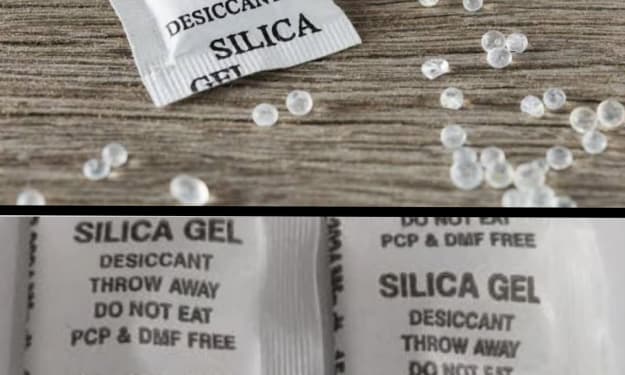
What Is Silica Gel? – A Small Packet with a Big Purpose Have you ever bought a new pair of shoes, a handbag, some medicine, electronics, or clothes and noticed a small white or transparent packet inside the packaging? It often has the warning "Do Not Eat" printed on it. This seemingly insignificant little packet is called Silica Gel—a powerful product with a very specific and valuable role.
By Ikram Ullah8 months ago in Lifehack


Comments (1)
Seepage is a real pain. I've seen it mess up homes here too. Poor construction is a big cause, like not using proper waterproofing. It's crazy how much money families waste on repairs. You mention capillary action. How can we better detect seepage early on? And what are some cost - effective ways to fix it if it's already happened?