
Reconditioned Engines: What Are the Testing Procedures?
Reconditioned Engine Testing: Key Procedures to Ensure Quality and Performance
Think of this: you're cruising down the Great Ocean Road, the sun of the water flashing off metal, and you're finally in the groove after a ridiculous week. And then, bang, in an instant, your trusty Hyundai iLoad is spluttering and coughing and not moving another inch. It's a heart-stopping moment, especially when you realise that your company depends on that van. And then, boom, in comes the spectre of high repair bills and downtime. You're asking, "Is the new engine the only option?" Well, mate, don't spend an arm and a leg without considering a reconditioned engine first. Fast engine reconditioning can be a lifesaver, getting you back on the road without the hefty price tag of a brand-new engine. But you must know the testing process—you wouldn't buy a snag without checking that it's cooked, would you? So do the same for your engine.
What ensures quality reconditioned engines?
When you buy a reconditioned engine, you're not buying a lump of metal; you're buying reliability. To protect that reliability, there is a process of rigorous testing to confirm. It's like a complete doctor's examination for your engine.
- Pressure testing: To check for leaks in the oil and coolant system. It's a tight squeeze for the engine to see if anything seeps out.
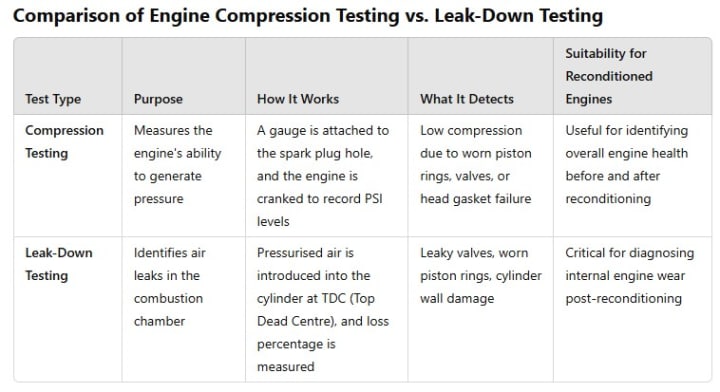
- Compression testing: To check the pressure of each cylinder, indicating the state of the piston rings and valves.
- Leak-down testing: To see where any leakage of the cylinders is occurring, either past the valves or rings.
- Oil pressure testing: This verifies that the oil pump is working, delivering adequate lubrication.
- Timing verification: This verifies camshaft and crankshaft alignment.
- Fuel system testing: This tests fuel pressure and injectors to verify proper fuel delivery.
- Emissions testing: This verifies the engine is running cleanly and efficiently.
- Load testing: This simulates on-road use to verify performance.
- Diagnostic checks: This uses electronic equipment to scan for any hidden issues.
These tests, when performed by expert hands, are your guarantee that the reconditioned engine will be a champion performer.
How do Hyundai iLoad engines get pressure tested?
Pressure testing a Hyundai iLoad, or any engine, involves pressurising the oil and cooling systems. Mechanics use specialised equipment to charge air or fluid into these systems and monitor for pressure loss. If the pressure remains constant, then there are no leaks. If it decreases, they've identified a possible issue. This is particularly important in Victoria, where the weather can go from extremely hot to freezing, placing additional stress on these systems.
Imagine it like testing your inflatable pool for holes before summer arrives.
How is engine compression testing done?
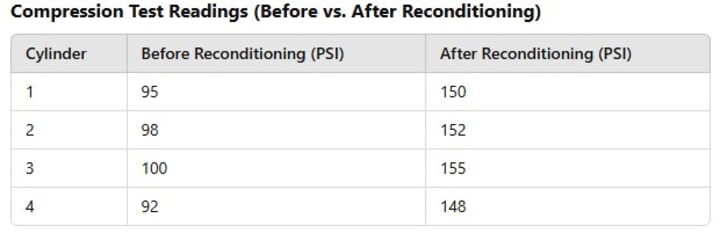
Compression testing is like giving your engine a workout test. Mechanics remove the spark plugs and insert a compression gauge into every cylinder. They then turn the crank, and the gauge measures the maximum pressure created in each cylinder. These figures provide a snapshot of the sealing ability of the cylinder. Low figures indicate wear or damage to the piston rings, valves, or cylinder walls.
This is something that a seasoned mechanic, especially one who's done many Hyundai iLoads, will have no difficulty comprehending.
Do recondition engines get leak-down tests?
Yes, they do. Leak-down tests are the forensic equivalent of engine testing. They help identify the exact location of cylinder leakage. Mechanics introduce compressed air into the cylinder and then listen to where the air is escaping. If they listen for the sound of air escaping the oil filler, it's more than likely to be the piston rings. Off the exhaust pipe, it's the exhaust valves. Off the intake are the intake valves.
What checks ensure proper oil pressure?
Oil pressure is the engine's lifeblood. Without oil pressure, it all turns rotten in a short time. Mechanics check oil pressure by attaching a gauge to the oil pressure sending unit. They then fire the engine and check the pressure gauges. They also see if the oil pump and related components show wear or damage. Proper oil pressure lubricates all moving components, preventing premature wear and tear.
This is crucial, especially when you are traveling a lot of long distances for work and in Victoria.
Case Study
I recently conducted a case study on a company specialising in Hyundai iLoad engine reconditioning.
A client brought in a van with indications of low engine performance and dramatic power loss.
After conducting a series of tests, including compression and leak-down tests, we determined that the engine was badly worn, particularly in the piston rings. Rather than opting for a brand-new engine, the team suggested reconditioning, saving the customer a lot of money. Once all tests necessary were done, including oil pressure verification and timing, the engine was reconditioned to peak performance. The customer was thrilled that their van was operational and was pleased with the amount they saved from using a reconditioned engine compared to a replacement. This is just one such case that speaks volumes for how efficiently reconditioning functions to provide quality performance simultaneously with an economical alternative to a bad engine.
Conclusion
Understanding the testing methods is critical with reconditioned engines on your Hyundai iLoad. It's not about inserting a fresh set of rings and expecting things to go right. It's about rigorous testing, technical examination, and commitment to quality. If you're just tooling around the coast or down the streets in town, a rigorously tested rebuilt engine will give you that confidence you need. Don't trust anyone; ask them about the type of testing they perform and ensure they understand and can do it to get the job right. Remember that a stitch in time saves nine, and a rebuilt engine properly tested saves you a lot of headaches and hard-earned money.
About the Creator
Keep reading
More stories from Michael Virael and writers in Lifehack and other communities.
The Hidden Costs Of Ignoring Small Car Dents
That sinking feeling. You’ve just noticed a tiny ding on your car door, probably from a stray shopping trolley at Rundle Mall. It’s small, barely noticeable, and you’re thinking, “She’ll be right, mate.” But those seemingly insignificant dents? They can lead to a world of hurt, and not just for your car’s aesthetics. If you'd like to learn how to fix small auto dents before they're gigantic problems, you've stopped by the right site because it typically means higher repair costs and a lot of other hassles you don't want.
By Michael Viraelabout a year ago in Lifehack
7 Signs Wildlife Could Be Living in Your Attic
Unexpected sounds above the ceiling or unfamiliar odors drifting through the home often hint at activity happening overhead. Wildlife frequently settles into attic spaces because the area offers steady warmth, darkness, and protection from predators, creating a quiet refuge for animals searching for a sheltered nesting location. Recognizing early clues helps homeowners avoid costly damage to insulation, electrical wiring, and wooden roof framing while also protecting indoor air quality. Seven signs wildlife could be living in your attic highlight patterns that wildlife specialists regularly encounter during inspections. Animal Round Up explains that early indicators often appear weeks before homeowners notice visible damage. “Subtle scratching sounds, small roof gaps, or disturbed insulation usually show up long before the animal becomes visible,” their team says. “Recognizing those clues early allows humane removal to happen quickly and prevents the situation from growing.”
By Piper Burch5 days ago in Lifehack
A System That Isn’t Working Challenge Winners
Systems promise order. They organize behavior, distribute opportunity, and suggest that if everyone follows the rules, things will work. The entries in A System That Isn’t Working look closely at what happens when that promise begins to slip.
By Vocal Curation Teamabout 7 hours ago in Resources




Comments
There are no comments for this story
Be the first to respond and start the conversation.