
Raised bed gardening
How raised bed gardening transformed my harvest: A beginner’s journey
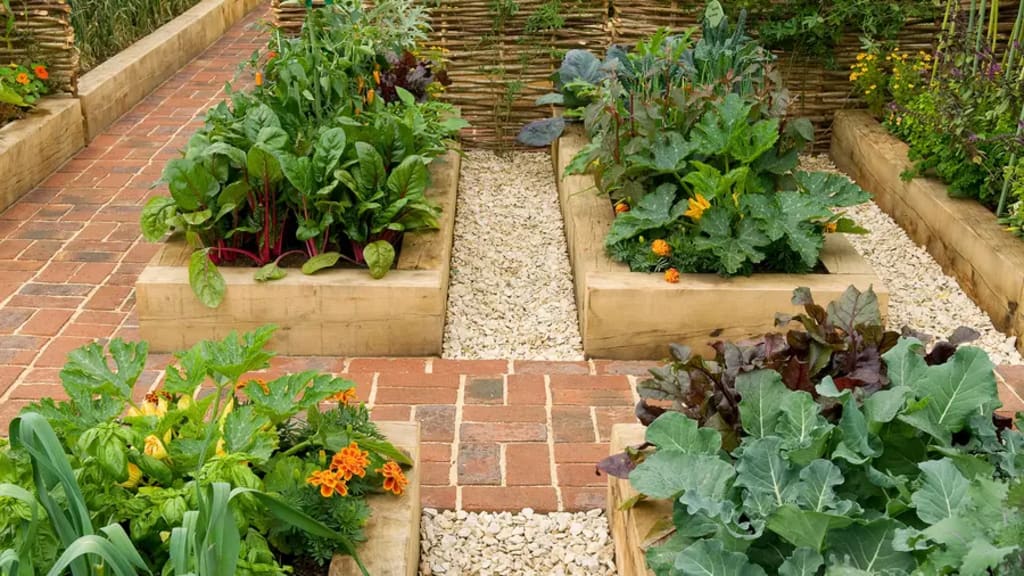
When I first started gardening, I was excited but also a little clueless. Like most beginners, I thought the easiest way was to plant directly into the ground. I tilled up a small patch of my backyard, added some compost, and planted my seeds. The process felt rewarding, but the results? Well, they were… okay.
Don’t get me wrong, the plants grew, but they never seemed to reach their full potential. My tomatoes, which I had high hopes for, barely produced more than a handful of fruit. The cucumbers, though decent, were small and few, and the lettuce I planted often wilted under the hot summer sun. Every time I harvested, I couldn’t help but feel a little disappointed. Was this normal? Was my soil bad? Was I just not cut out for gardening?
I started to think that this was just how gardening worked—lots of effort, but only modest results. I still enjoyed the process, but deep down, I knew something wasn’t right. I’d see other people posting pictures of their gardens with these massive harvests and healthy plants, and I couldn’t help but wonder: What am I doing wrong?
Then one day, while researching tips for better vegetable yields, I stumbled upon something I hadn’t considered before—raised bed gardening. I’d heard the term a few times in gardening groups, but I never gave it much thought. I always assumed it was for people with small yards or urban gardeners with limited space. It never occurred to me that it could be the solution I was looking for, even with a decent amount of space in my backyard.
Curiosity got the best of me, and I started digging deeper into the concept. Raised bed gardening sounded almost too good to be true. People raved about how their plants grew better, the soil quality was easier to control, and the yields were significantly higher. I figured, why not give it a shot? I already had some scrap wood in the garage, and a couple of hours later, I had my very first raised bed set up.
To test it out, I planted the same vegetables I had been struggling with in my traditional garden: tomatoes, lettuce, and carrots. I figured that was the best way to see if there was any real difference. Honestly, I wasn’t expecting miracles. But what happened next completely changed how I garden.
Within just a few weeks, I noticed something was different. The plants in my raised bed were growing faster—much faster than the ones I had planted in the ground. My tomatoes, which had always been thin and spindly, were now robust and full of dark green leaves. My lettuce, which used to wilt easily, stood tall and looked fresher than anything I’d ever grown. Even my carrots, which typically struggled to grow straight in the hard soil, were thriving in the softer, better-drained soil of the raised bed.
At first, I thought it might just be a fluke. Maybe the weather was better this year, or I’d gotten lucky with my seeds. But as the weeks passed, it became clear: the raised bed was a game-changer. Not only were the plants healthier, but they were also producing more. My tomato plants, which once gave me just a few small fruits, were now covered in large, juicy tomatoes. I was getting twice the amount of lettuce and my carrots were bigger and straighter than ever before.
The real “wow” moment came during harvest season. I walked out to my raised bed and couldn’t believe my eyes. There were more vegetables than I knew what to do with. I had so many tomatoes that I was giving bags of them to my neighbors, and still had enough left over to make homemade sauces and salsas. My cucumbers, which I added later, were the most plentiful and tastiest I’d ever grown. And the lettuce? Crisp, fresh, and so much more flavorful than what I had harvested from my in-ground garden.
So, what made the difference? It turns out that raised beds have some major advantages that traditional gardening just can’t match. First off, the soil in a raised bed is much easier to control. Instead of relying on whatever soil happened to be in my yard (which I now realize wasn’t the greatest), I could mix my own blend of rich compost, topsoil, and other organic materials. This gave my plants a nutrient-packed foundation to grow in.
Second, raised beds provide much better drainage. In my old garden, heavy rains would often flood the area, drowning my plants and compacting the soil. But in the raised bed, excess water simply drains away, preventing waterlogging and keeping the soil loose and airy for the roots to thrive.
And the third big advantage? Raised beds make gardening easier on the body. I didn’t have to bend over as much to tend to the plants, which saved my back and knees. Plus, the raised bed naturally reduced the number of weeds, so I spent less time pulling unwanted plants and more time enjoying my garden.
Looking back, I wish I had started with raised beds from the very beginning. The transformation in my garden has been unbelievable, and it’s made me fall in love with gardening all over again. It’s easy to maintain, produces incredible results, and best of all, anyone can do it—even if you’re a beginner like I was.
If you’re struggling with your garden, or if you just want to improve your harvests, I can’t recommend raised bed gardening enough. It’s a simple change that makes a huge difference. Trust me, once you see the results, you’ll never go back to traditional gardening.
Ready to get started? Check out this easy-to-follow guide to building your own raised bed, and see how it can transform your garden, just like it did for mine!
About the Creator
Keep reading
More stories from writers in Lifehack and other communities.
The Essential Role of a Quantum Expert Witness in High-Tech Litigation
With the increasing speed in quantum technology, quantum computing, cryptography, telecommunications, and advanced materials, cases are increasingly pitting themselves against each other in courts. They are the cases when one has to deal with the concepts that are much higher, which is why the assistance of a professional specialist cannot be avoided. When the stakes involve intellectual property, algorithm performance, or the integrity of quantum systems, attorneys often rely on a quantum expert witness to clarify and validate the complex scientific issues at the heart of the dispute.
By Jane Smithha day ago in Lifehack
how do I choose the right concrete restoration service?
When it comes to maintaining the integrity and aesthetics of your concrete surfaces, the choice of a concrete restoration service is critical. Whether it's a driveway, patio, or commercial space, various factors can contribute to the deterioration of concrete, including weather exposure, heavy foot traffic, and improper installation.
By Neck Akilaa day ago in Lifehack
Writing To Succeed
If you want to find something that will help readers find your writing, possibly expand your audience, and maybe even get you noticed for other things, then you’re not alone. But how can you get it done in a world full of want-to-be writers? Look less at what you’re writing now, and more at what other writers have used to boost their views and reads.
By Jason Ray Morton 6 days ago in Writers




Comments
There are no comments for this story
Be the first to respond and start the conversation.