
Prepare Your Roof Inspection for Hurricane Season
Roof Inspection In New Jersey

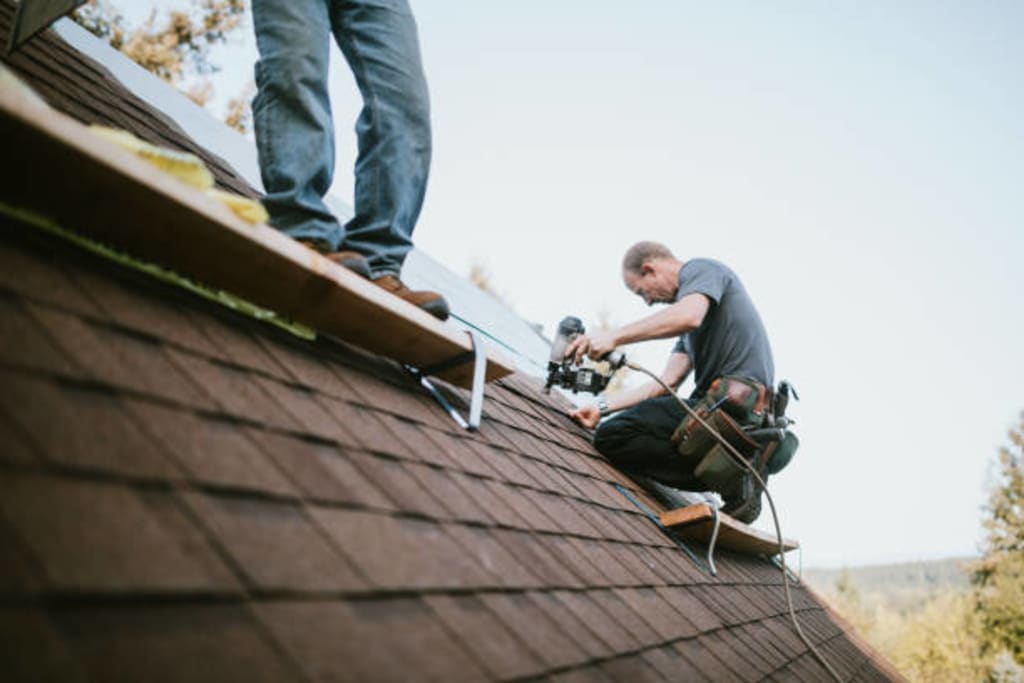
When hurricane season approaches, your roof becomes the first line of defense against heavy rains, strong winds, and flying debris. A compromised roof can lead to severe water damage, structural issues, and costly repairs. That’s why scheduling a roof inspection before hurricane season is one of the smartest moves homeowners can make.
In this guide, we’ll cover why pre-hurricane roof inspections are critical, what to expect during an inspection, and how to prepare your roof to withstand the season’s toughest storms.
Why Pre-Hurricane Roof Inspections Matter
Hurricanes bring more than just wind — they deliver intense rainfall, debris impact, and even tornado-like gusts. Roof systems that aren’t properly maintained are far more likely to fail during these conditions.
A professional roof inspection helps you:
Identify weak spots – such as loose shingles, cracked tiles, or deteriorated flashing.
Prevent leaks – by addressing small issues before they become water intrusion points.
Reinforce structural integrity – ensuring your roof deck and underlayment can handle extreme weather.
Protect your home and finances – by reducing the likelihood of major post-storm damage and costly emergency repairs.
When Should You Schedule Your Roof Inspection?
The best time for a hurricane season roof inspection is before storms are in the forecast. Ideally, schedule it in late spring or early summer, giving you enough time for repairs.
If you’ve experienced recent severe weather (hail, strong winds), schedule an inspection right away—even if hurricane season hasn’t started yet.
What Happens During a Hurricane-Readiness Roof Inspection?
A thorough pre-hurricane inspection includes:
Shingle and Tile Check
Look for loose, cracked, or missing shingles and tiles.
Replace or secure any compromised roofing materials.
Flashing and Sealant Review
Inspect flashing around chimneys, skylights, and vents for gaps or deterioration.
Ensure sealants are intact and watertight.
Gutter & Drainage System Assessment
Clean and clear gutters and downspouts.
Confirm proper water flow to prevent pooling and roof edge damage.
Roof Deck & Underlayment Evaluation
Check for signs of moisture damage or rot beneath the surface.
Reinforce vulnerable areas for added storm protection.
Structural Review
Assess rafters, trusses, and overall roof stability.
Debris Check
Remove overhanging branches or loose debris that could cause impact damage during a storm.
DIY Roof Check vs. Professional Inspection
While you can perform a quick visual check from the ground (looking for missing shingles, clogged gutters, or sagging areas), a professional roofing contractor can detect hidden issues that untrained eyes may miss.
Pro Tip: Many roofing companies offer free or low-cost inspections before hurricane season — take advantage of these offers.
Roof Preparation Tips Before a Storm
After your inspection, take these steps to hurricane-proof your roof:
Repair loose or missing shingles – Prevent wind from tearing them off.
Secure flashing & vents – Reinforce weak points where water can enter.
Trim nearby trees – Reduce the chance of falling limbs damaging your roof.
Clean gutters & downspouts – Ensure proper water drainage.
Install hurricane straps (if needed) – Strengthen the connection between the roof and structure.
Cost of a Pre-Hurricane Roof Inspection
On average, roof inspections cost between $150–$400, but many roofing contractors provide free inspections as part of their service packages.
If repairs are needed, costs can range from:
Minor fixes (replacing shingles, sealing flashing): $200–$1,000
Major repairs (structural reinforcement, large sections): $1,000–$5,000+
While this may seem like an added expense, the cost of repairs pales in comparison to replacing a severely storm-damaged roof.
Why Hire a Local Roofing Contractor?
Local roofing contractors:
Understand regional building codes and hurricane readiness requirements.
Are familiar with common storm-related roofing issues in your area.
Can respond quickly in case of post-storm emergencies.
FAQs About Roof Inspections Before Hurricane Season
1. How often should I get my roof inspected?
At least once a year, and always before hurricane season or after a major storm.
2. Can I inspect my own roof?
You can do a visual check, but a professional inspection is safer and more thorough.
3. Will my insurance cover pre-storm roof inspections?
Typically not, but some policies may offer discounts for preventative maintenance.
4. What type of roofing holds up best in hurricanes?
Metal roofing, reinforced shingles, and concrete tiles often perform well when installed correctly.
5. How quickly should I fix issues found during an inspection?
Immediately. Delaying repairs increases the risk of major storm damage.
Get Your Roof Hurricane-Ready Today
Don’t wait for the first hurricane warning — by then, it may be too late to schedule an inspection or complete repairs.
At Deluxe Construction NJ , we specialize in hurricane-preparedness roof inspections and repairs. Our expert team ensures your roof can stand up to the toughest storms, keeping your family safe and your home protected.
About the Creator
Avi Khisa
Professional SEO expert and Consultant
Phoenix, Arizona: The City That Learned to Grow With the Desert
When people first arrive in Phoenix, Arizona, the landscape can feel almost surreal. The vast Sonoran Desert stretches outward with towering saguaro cacti, rugged mountains, and wide skies that shift colors dramatically at sunset. At first glance, it seems like an unlikely place for a major metropolitan area.
By House Doctor6 days ago in Lifehack
The mistake that keeps high performers stuck
There is a common assumption many professionals carry throughout their careers. It sounds logical at first. If I work hard, produce great results, and consistently deliver strong performance… eventually I will be recognized and promoted.
By Bahati Mulishi2 days ago in Lifehack



Comments
There are no comments for this story
Be the first to respond and start the conversation.