
Pompeii Walking Tours: Discover the Ruins of a Lost Civilization
Pompeii, an ancient Roman city, was famously preserved under volcanic ash after the catastrophic eruption of Mount Vesuvius in 79 AD.
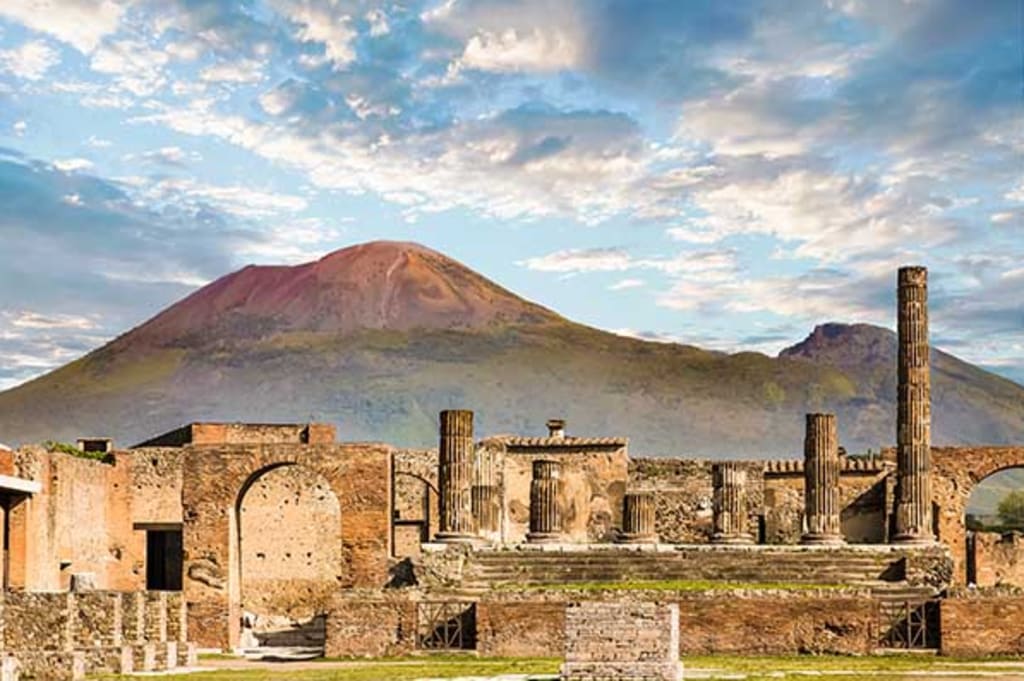
Pompeii, an ancient Roman city, was famously preserved under volcanic ash after the catastrophic eruption of Mount Vesuvius in 79 AD. This UNESCO World Heritage site offers a unique glimpse into the life of a civilization that thrived nearly two millennia ago. Today, walking tours of Pompeii provide visitors with the opportunity to explore its well-preserved ruins, including homes, temples, and public spaces, allowing for an immersive experience of this lost civilization.
The Historical Significance of Pompeii
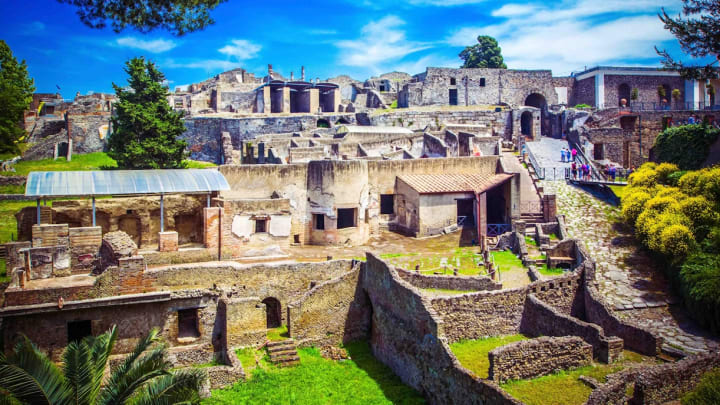
The ruins of Pompeii are not just remnants of a city; they are a window into the past. The city was a bustling urban center, home to approximately 11,000 to 15,000 residents at the time of the eruption. The volcanic disaster preserved buildings, artifacts, and even the remains of its inhabitants, providing invaluable insights into Roman life, culture, and architecture. Walking through the streets of Pompeii, visitors can see the layout of the city, including its forum, baths, and amphitheater, all of which reflect the social and political life of the time.
Planning Your Walking Tour
When planning a walking tour of Pompeii, it is essential to consider the time of year and the duration of your visit. The site covers approximately 170 acres, making it impossible to see everything in a single day. Many visitors opt for guided tours, which can enhance the experience by providing expert insights and historical context. Tours typically last between two to four hours, depending on the areas covered. It is advisable to wear comfortable shoes and bring water, as the terrain can be uneven and the sun can be intense.
Highlights of the Tour
One of the most significant highlights of a Pompeii walking tour is the Forum, the heart of the city's public life. Here, visitors can see the ruins of important buildings, including temples and government offices. The Temple of Jupiter, with its impressive columns, is a must-see. Additionally, the amphitheater, which could hold up to 20,000 spectators, showcases the entertainment culture of ancient Pompeii, including gladiatorial games.
Another fascinating aspect of the tour is the well-preserved frescoes and mosaics found in various homes and public buildings. These artworks provide insights into the daily life, mythology, and social customs of the Pompeians. The House of the Faun, one of the largest and most impressive residences, features stunning mosaics, including the famous "Alexander Mosaic."
The Experience of Walking Through History
Walking through the streets of Pompeii is akin to stepping back in time. Visitors can explore the remains of homes, shops, and public baths, all of which are remarkably well-preserved. The streets, lined with ancient stones, still bear the marks of chariot wheels, offering a tangible connection to the past. Many walking tours also include visits to the plaster casts of victims, which serve as poignant reminders of the tragedy that befell the city.
Pompeii and Mount Vesuvius Tours: History Meets Nature
Pompeii, an ancient city frozen in time, offers a unique glimpse into Roman life before the catastrophic eruption of Mount Vesuvius in 79 AD. This UNESCO World Heritage site, alongside the majestic volcano, provides a perfect blend of history and nature, attracting millions of visitors each year. Tours of Pompeii and Mount Vesuvius allow travelers to explore the ruins of a once-thriving metropolis while experiencing the breathtaking landscapes surrounding the volcano.
The Historical Significance of Pompeii
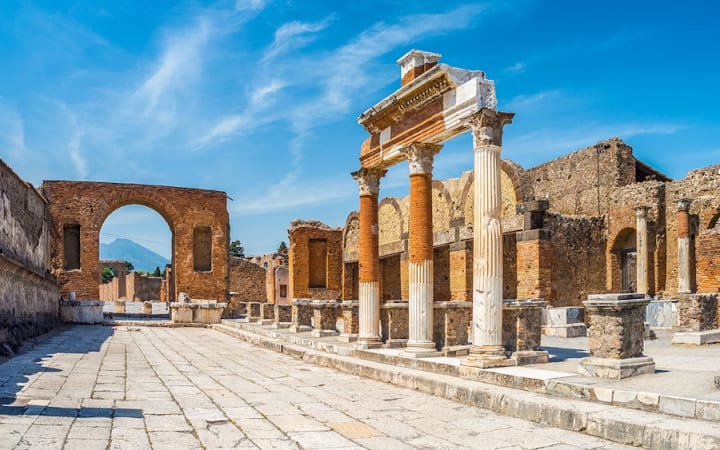
The archaeological site of Pompeii Tours spans approximately 440,000 square meters, showcasing well-preserved streets, homes, and public buildings. Visitors can walk through the Forum, the city’s social and political center, and marvel at the stunning frescoes in the Villa of the Mysteries. The Great Theater, one of the oldest in the world, stands as a testament to the cultural life of the ancient Romans. The eruption of Vesuvius buried Pompeii under a thick layer of ash, preserving it for centuries and providing invaluable insights into Roman civilization.
Exploring the Ruins
Guided tours of Pompeii typically include a comprehensive exploration of the site, highlighting key areas such as the amphitheater, which hosted gladiatorial games, and the ancient brothel, which offers a glimpse into the social dynamics of the time. Visitors can also see the plaster casts of victims, capturing the tragic moment of their demise. These tours often provide audio guides or knowledgeable guides who share engaging stories about the city’s history, making the experience both educational and memorable.
The Natural Beauty of Mount Vesuvius
Mount Vesuvius is not only famous for its historical significance but also for its stunning natural beauty. As one of the most active volcanoes in the world, it offers visitors the opportunity to hike to its summit and peer into the crater. The Vesuvius National Park features various trails that wind through lush landscapes, vineyards, and panoramic views of the Bay of Naples. The hike to the crater is relatively easy and can be completed in about 30 minutes, making it accessible for families and casual hikers.
Combining History and Nature
Tours that combine visits to both Pompeii and Mount Vesuvius provide a holistic experience, allowing visitors to appreciate the interplay between history and nature. Many tour operators offer packages that include transportation, guided tours, and even meals featuring local cuisine, such as Neapolitan pizza. This combination of activities allows travelers to immerse themselves fully in the region’s rich cultural and natural heritage.
Sustainable Tourism in Pompeii
In recent years, there has been a growing emphasis on sustainable tourism in Pompeii and the surrounding areas. Eco-friendly tours are becoming increasingly popular, focusing on minimizing environmental impact while promoting the preservation of historical sites. Visitors are encouraged to explore the area responsibly, respecting both the archaeological treasures and the natural landscapes. Sustainable practices include using local guides, supporting local businesses, and participating in conservation efforts.
Unique Experiences Beyond the Ruins
While the archaeological site and the volcano are the main attractions, Pompeii offers much more for visitors. The modern city has a vibrant atmosphere, with charming streets lined with shops, cafes, and restaurants. The Pontifical Shrine of the Blessed Virgin of the Rosary of Pompeii is a significant spiritual site, attracting pilgrims from around the world. Additionally, the city hosts various cultural events, including street art festivals that showcase the work of local and international artists.
Conclusion: A Journey Through Time
A tour of Pompeii and Mount Vesuvius is more than just a visit to historical and natural sites; it is a journey through time that connects visitors with the past while celebrating the beauty of the present. Whether exploring the ruins of an ancient city or hiking the slopes of a legendary volcano, travelers can experience the rich tapestry of history and nature that defines this remarkable region. With its unique blend of cultural heritage and stunning landscapes, Pompeii and Mount Vesuvius remain must-visit destinations for anyone seeking to understand the profound impact of history on our world today.
About the Creator
Keep reading
More stories from In Marketing and writers in Lifehack and other communities.
Discover art and history at the Louvre Museum with convenient ticket options
The Louvre Museum in Paris, France is one of the world's most famous and visited museums. With a collection of over 550,000 works of art and artifacts from around the world, it's no wonder that the Louvre is a must-see destination for art lovers and history buffs. From the Mona Lisa to the Venus de Milo, the Louvre is home to some of the most iconic works of art in the world. In this article, we'll explore the convenient ticket options available for visiting the Louvre Museum, as well as some of the highlights of the museum's collection.
By In Marketingabout a year ago in Lifehack
When Architecture Speaks: The Billionaire Home as a Mirror of Self
In the realm of the ultra-wealthy, owning a home is rarely about square footage or resale value. It’s about creating a physical embodiment of the self. For billionaires, architecture becomes a language—each material, structure, and spatial rhythm part of a larger, intentional narrative. These homes are not simply bought or designed; they are composed to reflect personal values, intellectual pursuits, and emotional states. They go beyond luxury to articulate identity in form.
By Inspirata Group7 days ago in Lifehack


Comments
There are no comments for this story
Be the first to respond and start the conversation.