
Planning a New Roof Installation in Massachusetts? Start Here
Roof Installation
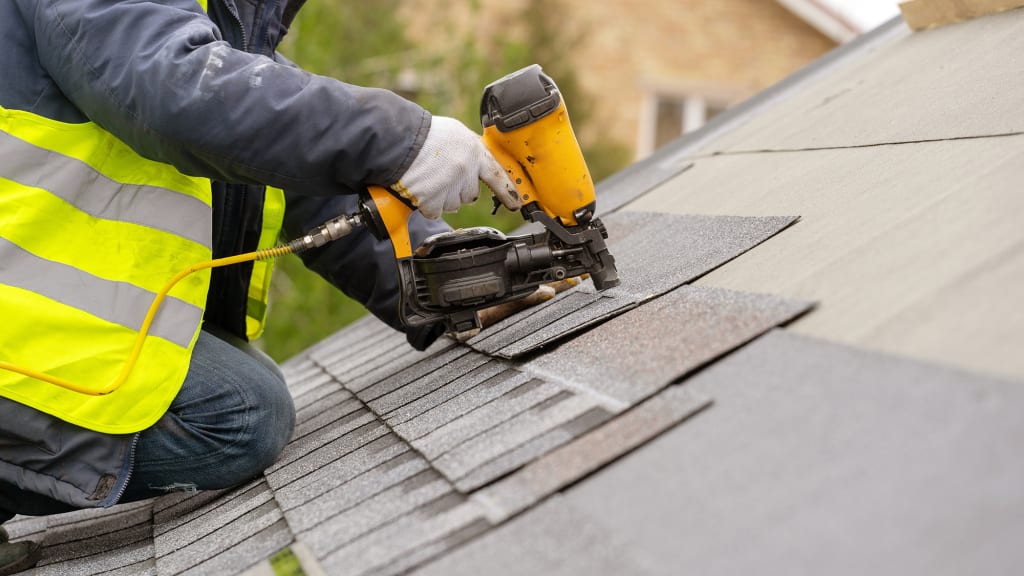
Planning a new roof installation Massachusetts project involves more than just choosing shingles. Property owners, whether managing a commercial facility or a residential building, must carefully evaluate contractors, understand state regulations, and be prepared to interpret estimates and warranties. With Massachusetts' unique weather patterns and strict building codes, a well-informed approach is essential to ensure a durable, code-compliant, and cost-effective roofing system. This guide offers a step-by-step breakdown of everything owners should consider before moving forward with a roof installation project across the Bay State.
License and Insurance Requirements in Massachusetts
Massachusetts requires roofing contractors to meet specific legal and insurance standards before performing any work.
- Home Improvement Contractor (HIC) Registration: All contractors performing work on buildings used as residences must be registered with the Massachusetts Office of Consumer Affairs and Business Regulation (OCABR). This ensures they meet minimum qualifications and legal standards.
- Construction Supervisor License (CSL): For projects involving structural work, a Construction Supervisor License is required. This license confirms the contractor has passed a rigorous exam and understands building codes and structural safety.
- Liability and Workers’ Compensation Insurance: Contractors must carry general liability insurance to cover accidental property damage and workers’ comp to protect laborers. Without proper insurance, homeowners and business owners may be held financially responsible for accidents on-site.
What to Ask During a Contractor Interview
Interviewing roofing contractors is an essential step in selecting a reputable professional.
- Experience With Similar Projects: Ask how many similar roof installations the contractor has completed in Massachusetts, particularly under similar weather and building conditions. Experience in the state ensures familiarity with local codes and weatherproofing strategies.
- Project Timeline and Crew Size: Understanding how long the job will take and how many crew members will be present can help you plan accordingly. Reliable contractors should be able to provide a clear timeline and daily work schedule.
- Subcontractors and Supervision: Inquire whether the company uses subcontractors and how the job will be supervised. A reputable contractor should have a qualified project manager or foreman on-site daily to maintain quality control.
- Post-Installation Cleanup and Disposal: Ask about debris removal and how materials like old shingles will be disposed of. Quality contractors include cleanup in their service without extra hidden fees.
How to Read Roofing Estimates
Roofing estimates can vary widely, so it's important to know what details should be included.
- Itemized Costs: A thorough estimate should break down labor, materials, permits, equipment rentals, and disposal fees. If an estimate only shows a lump sum, request more details to avoid misunderstandings later.
- Material Types and Brands: Ensure that the estimate specifies the type, grade, and brand of roofing materials. This includes underlayment, flashing, fasteners, and ventilation components—not just shingles or panels.
- Work Scope and Timeline: The scope should include all aspects of the job: tear-off, inspection of the decking, installation, ventilation upgrades, and post-install inspection. A clear schedule helps prevent delays and miscommunication.
- Payment Terms and Deposit: Reputable contractors generally request a reasonable deposit (often 10-30%) and offer a staged payment schedule. Be cautious of contractors requesting full payment upfront.
Red Flags to Avoid
Knowing which warning signs to watch for can save you from poor workmanship and scams.
- Lack of Local References: Contractors who can’t provide at least three local references may not have a solid track record in your area. Local reviews are critical for evaluating reputation and service consistency.
- No Physical Business Address: Be wary of contractors without a verifiable business location. Fly-by-night roofers often disappear after a job, leaving clients with no recourse for warranty claims.
- High-Pressure Sales Tactics: Pushy salespeople who demand a same-day decision or offer deep “limited-time” discounts are often more focused on closing deals than providing quality service. A good contractor gives clients time to think and compare bids.
- Unwillingness to Provide Documentation: Contractors who hesitate to show licenses, insurance certificates, or written contracts should not be trusted. Transparency is a non-negotiable trait of reputable service providers.
Understanding Workmanship Vs. Manufacturer Warranties
Not all warranties are created equal; understanding the difference can help protect your investment.
- Manufacturer Warranties: These cover defects in roofing materials, typically ranging from 20 years to a lifetime, depending on the product. However, they don’t cover errors in installation or labor-related issues.
- Workmanship Warranties: These are offered by the contractor and typically range from 1 to 10 years. They cover labor errors such as improper flashing, incorrect underlayment installation, or poor sealing.
- Combined Warranty Coverage: The best protection comes when both warranties are in place. Some manufacturers even offer extended warranties when installation is completed by certified contractors in their network, providing dual-layered peace of mind.
Conclusion
Starting a roof installation project involves more than hiring a crew and picking out shingles. From licensing and permits to reading detailed estimates and understanding warranty coverage, it’s essential to approach the process fully informed. Knowing what to ask, how to compare contractors, and which red flags to avoid helps ensure a successful and stress-free installation. Massachusetts property owners who take the time to plan properly can enjoy a durable, energy-efficient roof that enhances both the value and safety of their buildings. A well-executed roofing project isn’t just a cost; it’s a long-term investment in your property’s future.
About the Creator
Keep reading
More stories from thomas oshobo and writers in Lifehack and other communities.
Steps to Take After Flooding: Flood Cleanup Utah
Flooding can strike without warning, leaving homeowners in Utah overwhelmed by water damage and unsure of what to do next. The aftermath of a flood presents serious safety risks, potential structural damage, and the threat of mold growth if not handled promptly. Acting quickly and following a structured plan can help minimize damage and restore the home safely. Whether caused by a natural disaster or a burst pipe, knowing the proper steps is essential. This guide outlines the critical actions to take immediately after flooding, with a focus on effective flood cleanup Utah that residents can trust to restore their homes and peace of mind.
By thomas oshobo8 months ago in Lifehack
Top 10 Side Effects of Chia Seeds You Should Know
Chia seeds have gained huge popularity in recent years as a superfood. From smoothies and puddings to salads and oatmeal, these tiny seeds are often praised for their high fiber, omega-3 fatty acids, and protein content. Many people include them in their daily diet to support weight loss, digestion, and overall health.
By Veronica Bennettabout an hour ago in Lifehack


Comments
There are no comments for this story
Be the first to respond and start the conversation.