


Introduction :
Pizza is a popular meal that originated in Naples, Italy, and has since gained popularity around the world. Pizza is a flexible and beloved dish because of its crunchy crust, rich sauce, oozy cheese, and variety of toppings. Pizza is beautiful not only because of how good it tastes but also because of how well it is made. Here, we examine the components of the ideal pizza and go over how to prepare this well-known meal step-by-step.
History of Pizza :
Pizza has a long history, beginning with simple flatbreads and progressing to the contemporary pizza. Pizza as we know it today is said to have originated in Naples, Italy. The Margherita pizza rose to popularity in the late 1800s, displaying the colour of the Italian flag with its tomato, mozzarella, and basil toppings.
The Crucial Elements:
• Dough: A pizza's dough is its fundamental component. A crust that is both crispy and elastic is produced by precisely balancing flour, water, yeast, salt, and occasionally olive oil. The texture and flavour of the dough are greatly influenced by methods like as kneading and resting it.
• Sauce: The foundation of most pizzas is a tasty tomato sauce. A thick and zesty sauce is made with fresh, ripe tomatoes, garlic, herbs like oregano and basil, and a small amount of olive oil.
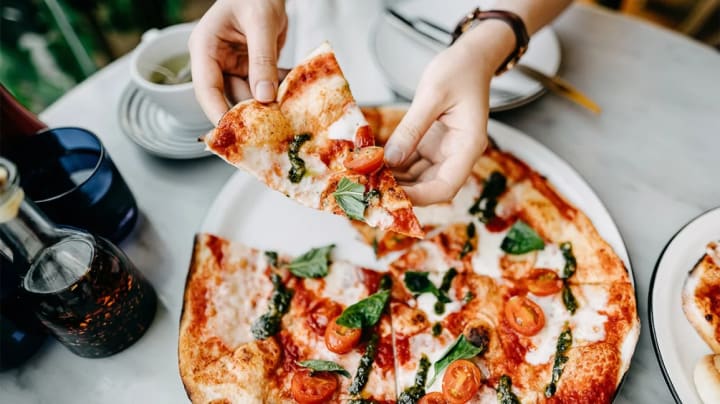
• Cheese: A popular pizza ingredient, mozzarella has a mild flavour and a stretchy texture. But adding different cheeses to your pizza, such Parmesan, provolone, or ricotta, can give it more taste and personality.
• Toppings: The pizza's character is determined by its toppings, which range from the traditional pepperoni to upscale choices like prosciutto and arugula. There are many different flavour that may be made with fresh fruits, veggies, and meats.
Styles and Variations:
• Neapolitan pizza is distinguished by its thin, delicate crust and sparse toppings.
• Large, foldable slices with a chewy crust are known as New York style.
• Chicago Deep Dish: A pie-like crust that is thick and layered with sauce, cheese, and garnishes.
Worldwide Appreciation:
Pizza, which has Italian roots but has spread over the world, is a testament to the universality of delicious food, having been altered and enjoyed in a variety of ways.
Culinary Adventure:
Making pizza is a journey full of learning, refinement, and an unending desire for perfection, whether you're mastered at tossing dough or perfecting the sauce-to-topping ratio.
Tradition and Innovation:
Pizza-making honours tradition while paying homage to its traditional Neapolitan roots. It also encourages home cooks and chefs to experiment and create new culinary experiences.
Conclusion :
creating pizza is an art that encourages innovation and trial and error. Making pizza is fun since it's a process and you get to enjoy a great meal with friends and family, whether you follow tradition or try new flavour combos.
While this summary covers the fundamentals, keep in mind that there are countless subtleties and complexity to each phase of the pizza-making process, making it a never-ending gastronomic journey for connoisseurs everywhere.

Making pizza is more than just cooking; it's a synthesis of culture, history, and individual preference. A greater understanding of this beloved dish can be attained by embracing the subtleties of dough-making, sauce preparation, topping choices, and baking processes. This results in a pleasurable and enlightening experience. Be you a novice or a seasoned pizza connoisseur, nothing compares to the satisfaction of making and serving the ideal pizza.
About the Creator
Keep reading
More stories from Noorul Ameen and writers in Lifehack and other communities.
Top Things to Do in North Potomac for Families
Known for its quiet neighborhoods and welcoming atmosphere, North Potomac appeals to families who value space, safety, and a strong sense of community. Whether you are new to the area or have lived here for years, there are plenty of activities that families can enjoy together.
By House Doctor6 days ago in Lifehack



Comments
There are no comments for this story
Be the first to respond and start the conversation.