
Philadelphia Cheesesteaks: How to Make the Perfect Sandwich at Home
Perfect Sandwich
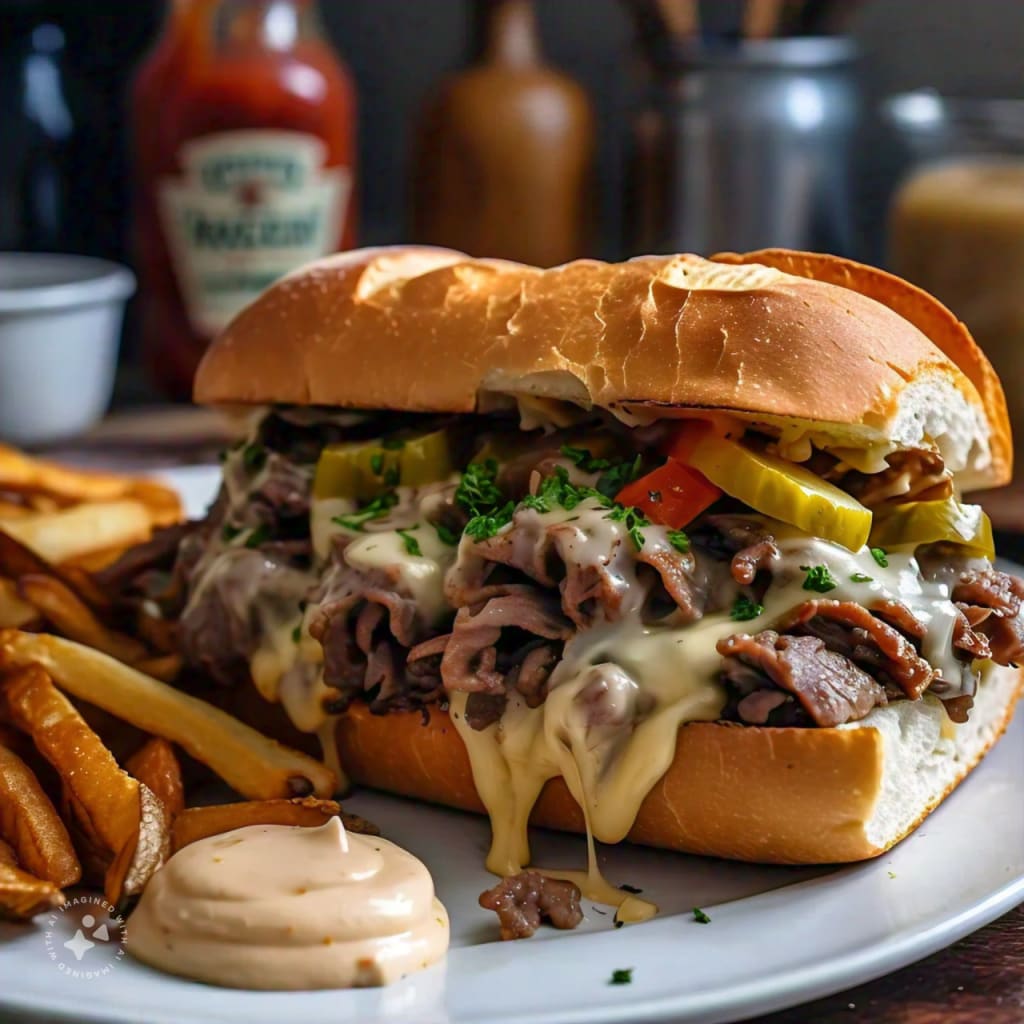
The Philadelphia cheesesteak, often just called a "cheesesteak," is one of America's iconic sandwiches. With its tender beef, melted cheese, and crunchy, soft hoagie roll, it's a mouthwatering dish that has captured the hearts of food lovers nationwide. But despite its popularity, a truly authentic Philly cheesesteak can be surprisingly hard to find outside of Philadelphia itself. The good news? You can make a mouthwatering cheesesteak right at home with just a few simple ingredients and techniques. Whether you’re a Philly native or a newcomer eager to try this legendary sandwich, let’s walk you through how to make the perfect cheesesteak at home.
What Is a Philadelphia Cheesesteak?
At its core, a cheesesteak is a sandwich made from thinly sliced ribeye beef, sautéed with onions (optional), and topped with melted cheese, all piled into a soft hoagie roll. However, while this might sound simple, the art of making the perfect cheesesteak is all in the details.
Origins of the Philly Cheesesteak
The cheesesteak was born in the 1930s in Philadelphia. It’s said that Pat Olivieri, a hot dog vendor, created the sandwich when he decided to throw some beef on his grill instead of the usual hot dogs. A passing cab driver got a whiff of the sizzling beef and asked for one, and the Philly cheesesteak was born. Over time, Pat and his brothers opened up Pat's King of Steaks, which became one of the most famous spots for cheesesteaks, and it’s still a beloved institution in Philadelphia today.
However, there’s a debate about who makes the best cheesesteak: Pat’s King of Steaks or Geno’s Steaks, which is located across the street. But no matter where you go in Philly, you’ll find a few constants: ribeye beef, melted cheese (typically provolone, American, or Cheez Whiz), and a soft, fresh roll.
Key Ingredients for a Perfect Philly Cheesesteak
To make the best cheesesteak, it's important to use quality ingredients. Here’s what you’ll need:
1. Ribeye Steak
Ribeye is the gold standard for cheesesteak meat. It’s tender, juicy, and has a good amount of marbling, which ensures it stays flavorful and doesn’t dry out when cooked. The steak is typically sliced very thinly, almost paper-thin, so it cooks quickly and remains tender.
You can either buy pre-sliced ribeye steak from the butcher or freeze a ribeye steak and slice it yourself (a very sharp knife is key). Some cheesesteak joints even use a meat slicer for precision.
2. Cheese
The cheese choice is crucial in a cheesesteak. While cheese is a matter of personal preference, the three most popular options are:
Provolone: A classic, mild cheese that melts well and provides a creamy texture without overpowering the beef.
American Cheese: A very common choice because it melts beautifully and has a mild, creamy taste that pairs well with the beef.
Cheez Whiz: The most controversial option. While not a traditional choice for everyone, it’s part of the authentic Philly experience. Its creamy, processed texture is a fan favorite for many cheesesteak purists.
3. Bread (Hoagie Roll)
The role is just as important as the filling. A soft, slightly chewy hoagie roll with a crisp crust is ideal. In Philadelphia, many cheesesteaks are served in a 10-inch or 12-inch roll, but the most important thing is that the bread should hold up to the beef and cheese without getting soggy.
For the most authentic result, try to find a hoagie roll from a local bakery, or if you're making them at home, opt for rolls with a slightly crispy crust and a soft interior. Popular brands of hoagie rolls are Amoroso's or Liscio’s, but any fresh Italian roll will work.
4. Onions
Onions are optional but highly recommended. Most traditional cheesesteaks feature sautéed onions, which bring a bit of sweetness and depth to balance the rich, savory beef. You can also use raw onions if you prefer a bit of crunch and bite. The choice is up to you!
5. Butter
Butter is used for grilling the bread and sometimes in the pan for cooking the beef, adding richness and flavor to the sandwich.
6. Optional Toppings
While the classic Philly cheesesteak is made with just beef, cheese, and onions, many people enjoy customizing their sandwiches with extra toppings like:
Mushrooms
Peppers (green bell peppers or hot peppers)
Banana peppers
Lettuce and tomato (though this is not considered authentic in Philly)
Step-by-Step Guide to Making the Perfect Philly Cheesesteak
Step 1: Prepare the Ribeye
Start by freezing the ribeye steak for about 30 minutes to an hour. This makes it easier to slice it very thin. Once it’s slightly firm, use a sharp knife to slice the beef as thin as possible against the grain. If you’re using pre-sliced ribeye, this step is already done for you, but you’ll want to make sure the slices are paper-thin to ensure they cook quickly and stay tender.
Step 2: Sauté the Onions (Optional)
Heat a little butter or oil in a large skillet or griddle over medium heat. Add sliced onions (if you’re using them) and cook, stirring occasionally, for 5-7 minutes until they become soft and golden brown. If you want a bit of caramelization, cook them a little longer. Once done, remove them from the pan and set them aside.
Step 3: Cook the Beef
In the same skillet or griddle, add a little more butter or oil. Heat it over medium-high heat. Add the sliced ribeye to the pan, spreading it out so it cooks evenly. Let it sear for about 2-3 minutes without stirring to get a nice brown color. Then, use a spatula to flip and break up the beef into smaller pieces. Season the beef with salt and pepper to taste.
Since ribeye cooks quickly, it should only take about 3-4 minutes for the beef to reach a perfect medium-rare to medium level of doneness. You want it tender, juicy, and not overcooked. If you’re using cheese like provolone or American, add it on top of the beef toward the end of cooking and cover the pan to help it melt.
Step 4: Toast the Rolls
While the beef is cooking, lightly butter your hoagie rolls and toast them. You can do this in a separate skillet or on a grill pan over medium heat. Toasting the rolls gives them a little crunch and ensures they don’t get soggy when the beef and cheese are added.
Step 5: Assemble the Sandwich
Once everything is cooked, it’s time to assemble the sandwich. Place a generous amount of the cooked beef and melted cheese onto each roll. Add the sautéed onions (if you prepared them) and any other optional toppings you desire.
If you're using Cheez Whiz, heat it separately in a small saucepan or microwave and then drizzle it over the beef before closing the sandwich.
Step 6: Serve and Enjoy
Once your cheesesteak is assembled, cut it in half and serve immediately. The sandwich should be warm, melty, and packed with flavor. Serve with your favorite sides, like fries or chips, and maybe a cold drink.
Tips for a Perfect Cheesesteak
Don’t Overcrowd the Pan: To ensure the beef sears properly, don’t overcrowd the pan. If you're making multiple sandwiches, cook the beef in batches.
Slicing the Beef Thinly: The key to a tender cheesesteak is thin slices of beef. Use a very sharp knife or, if you have one, a meat slicer.
Use a Hot Griddle or Skillet: A griddle or large skillet works best because it allows the beef to cook quickly and evenly.
Keep It Simple: While you can add many toppings, remember that the cheesesteak’s magic lies in its simplicity. Stick to the basics (beef, cheese, bread, onions) for the most authentic experience.
Conclusion
Making a perfect Philly cheesesteak at home is not as difficult as it might seem, and it’s a great way to recreate the magic of Philadelphia right in your kitchen. With just a few key ingredients — quality ribeye beef, your favorite cheese, fresh rolls, and onions — you can enjoy a sandwich that rivals anything you’d find in the City of Brotherly Love. Whether you're cooking for yourself or a crowd, the Philly cheesesteak is sure to be a hit!
Remember, cheesesteaks are all about personal preference, so don’t be afraid to experiment with different cheeses or toppings. Just keep the basics in mind — high-quality beef, fresh bread, and gooey melted cheese — and you’ll be well on your way to cheesesteak greatness. Happy cooking.
About the Creator
Keep reading
More stories from writers in Lifehack and other communities.
Why South Korea Data Center Market Are Quietly Driving the Digital Future
Why South Korea’s Data Center Landscape Is Getting More Attention Than Ever When people talk about South Korea’s technology strengths, they usually mention semiconductors, smartphones, high-speed internet, and innovation. What often goes unnoticed is the invisible infrastructure that makes all of this possible — data centers.
By Kim Soo hyun2 days ago in Lifehack
Contentment
Dear children, you must have heard the famous name of Caliph Harun al-Rashid. He was a ruler who often disguised himself to observe the conditions of his people firsthand. On one such occasion, he was walking along the bank of a river when he noticed a man fishing quietly, having cast his net into the water.
By Sudais Zakwan2 days ago in Lifehack



Comments
There are no comments for this story
Be the first to respond and start the conversation.