
Nature-Inspired Design: Tips for a Serene and Sustainable Home
Tips for a Serene and Sustainable Home

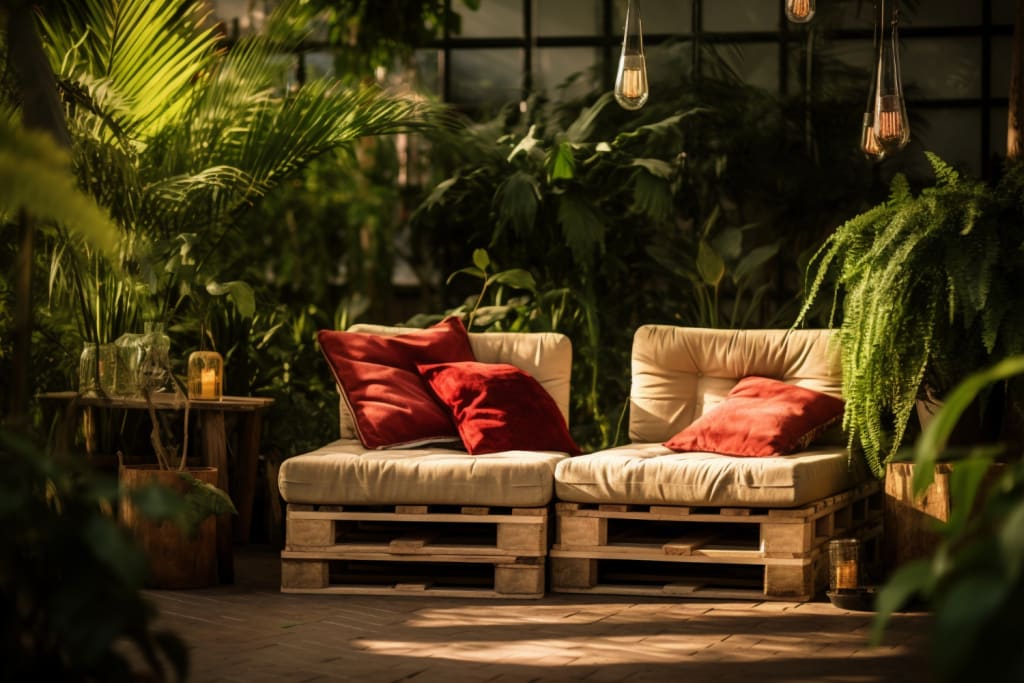
In a world that often feels fast-paced and digitally dominated, creating a serene living space can be a sanctuary for both relaxation and mindfulness. One of the most effective ways to achieve this tranquility is through nature-inspired design. By incorporating elements from the natural world, you can create a home that not only exudes peace but also promotes sustainability. Here’s how you can bring the calming influence of nature into your home, creating a serene and eco-friendly environment.
1. Embrace Natural Materials
Natural materials such as wood, stone, and bamboo are foundational elements in nature-inspired design. They bring an earthy, organic feel to your space while also being sustainable choices. Opt for reclaimed wood furniture or flooring to add character and reduce waste. Stone elements, like granite countertops or slate tiles, offer durability and a timeless aesthetic. Bamboo, a rapidly renewable resource, is an excellent choice for flooring, cabinetry, or decorative accents.
2. Incorporate Plants and Greenery
Plants are a cornerstone of nature-inspired design, offering both visual appeal and numerous health benefits. They help purify the air, increase humidity, and reduce stress. Choose low-maintenance indoor plants such as snake plants, pothos, or succulents if you’re new to plant care. For a touch of elegance, consider larger statement plants like fiddle leaf figs or monstera. Arrange plants in natural fiber pots or woven baskets to enhance their aesthetic appeal.
3. Use Earthy Colors and Textures
Colors play a crucial role in evoking a natural ambiance. Stick to a palette inspired by nature—think earthy tones like moss green, sandy beige, and sky blue. These colors create a calming atmosphere and connect your space to the great outdoors. Incorporate textures that mimic natural elements, such as wool rugs, linen curtains, and cotton throws. These materials not only add warmth and comfort but also contribute to a more sustainable home by being biodegradable and often less processed.
4. Maximize Natural Light
Natural light is a key element in nature-inspired design. It enhances the beauty of your home’s natural materials and plants while creating a sense of openness and tranquility. Make the most of natural light by using sheer curtains or blinds that can be easily adjusted. Skylights and large windows are excellent for bringing in more daylight. For areas with less natural light, consider energy-efficient LED lighting that mimics daylight to maintain a connection to the outdoors.
5. Opt for Eco-Friendly Finishes and Paints
When selecting finishes and paints for your home, choose eco-friendly options that are low in volatile organic compounds (VOCs). These finishes not only contribute to a healthier indoor environment but also align with the principles of sustainability. Look for paints that are free from harmful chemicals and finishes made from natural materials, such as linseed oil or beeswax. These options are better for both your health and the environment.
6. Incorporate Water Features
Water features can bring a serene, soothing element to your home. A small indoor fountain, a tabletop water garden, or even a decorative bowl of water with floating candles can create a calming ambiance. The sound of water can help mask background noise, enhancing your sense of peace. Choose water features that are designed for energy efficiency to align with sustainable living practices.
7. Focus on Handmade and Local Goods
Support local artisans and reduce your carbon footprint by incorporating handmade or locally sourced items into your decor. Unique pieces like handcrafted pottery, woven textiles, or locally produced art can add character to your space while supporting sustainable practices. These items often have a lower environmental impact compared to mass-produced goods and can be more meaningful additions to your home.
8. Design with Sustainability in Mind
Finally, consider the overall sustainability of your design choices. Opt for furniture and decor items that are built to last, reducing the need for frequent replacements. Invest in quality pieces that can be repurposed or upcycled, and avoid trends that may quickly become obsolete. By designing with longevity and sustainability in mind, you contribute to a more responsible approach to home decor.
Conclusion
Nature-inspired design offers a multitude of benefits, from creating a serene and calming atmosphere to promoting sustainable living practices. By embracing natural materials, incorporating greenery, using earthy colors, and focusing on eco-friendly choices, you can transform your home into a peaceful retreat that reflects your commitment to both style and sustainability. As you embark on this design journey, remember that every small change contributes to a more harmonious and eco-conscious living environment.
About the Creator
Charles Martin
I'm Charles Martin, known for my evocative storytelling and deep exploration of human emotions. My novels often blend romance, suspense, and heartfelt drama.
Learn more about my work: https://phantom777club.com/
Reader insights
Nice work
Very well written. Keep up the good work!
Top insights
Excellent storytelling
Original narrative & well developed characters
Expert insights and opinions
Arguments were carefully researched and presented
Heartfelt and relatable
The story invoked strong personal emotions
Keep reading
More stories from Charles Martin and writers in Lifehack and other communities.
The Basics of a Natural Lifestyle: What Does It Mean and How to Start?
In a world that’s increasingly fast-paced and technology-driven, many people are seeking ways to reconnect with nature and embrace a more natural way of living. But what exactly does a natural lifestyle entail, and how can you begin making the shift? Here’s a comprehensive guide to understanding the basics of a natural lifestyle and practical steps to start your journey.
By Charles Martin2 years ago in Lifehack
How Sherman Lai Integrates Natural Therapies for Whole-Body Wellness
Many people have begun searching for natural methods to enhance their general health and well-being in recent years. Holistic healthcare concentrates on balancing the overall body rather than just treating symptoms. Because they promote long-term wellbeing, natural treatments including acupuncture, herbal medicine, and lifestyle counseling are growing in popularity. Sherman Lai, a practitioner renowned for this well-rounded approach, combines many natural healing techniques to assist people in achieving whole-body wellbeing.
By Sherman Lai Guelph2 days ago in Lifehack
TUS NUA - ch 53
TUS NUA – ch 53 New Beginnings – Mia and Midnight (*)(*)(*) Finola knew Ali’s brother-in-law needed to put his mind at rest. She fed her arm through his and led him outside. “We’ll sit here. If you like, I can put a block around us so our conversation will be private.”
By Margaret Brennan3 days ago in Fiction




Comments (2)
Thanks for the recommendation
Nice article