
Metal Cutting Board: Pros, Cons & Smart Buying Guide
Everything You Need to Know Before Choosing a Metal Cutting Board

A metal cutting board is becoming popular among home cooks and professional chefs. Durable, hygienic, and stylish, it promises long-lasting performance. But is it the right board for your kitchen?
This guide explores the benefits, drawbacks, and best options for anyone considering a switch to metal.
What Is a Metal Cutting Board?
A metal cutting board is a kitchen essential made from stainless steel, titanium, or aluminum. Unlike traditional wood or plastic boards, metal resists cracking, warping, and bacterial growth, offering unmatched strength and hygiene for everyday cooking needs.
These boards are valued for their sleek, modern look and practical features. Non-porous surfaces prevent stains and odors from lingering, making cleaning effortless. Home cooks and professional chefs alike appreciate their resilience and low-maintenance design.
Built to withstand years of heavy chopping, a metal cutting board doesn’t deteriorate easily. It maintains structural integrity even under intense use, giving you a long-term solution that combines durability, safety, and professional-grade performance.
Benefits of a Metal Cutting Board

A metal cutting board offers unique advantages that set it apart from wood or plastic options. From hygiene and durability to easy cleaning, it’s designed to make food preparation safer and more efficient.
Hygiene and Safety
Metal boards are non-porous, preventing juices, odors, and bacteria from seeping in. This makes them one of the most hygienic cutting options. Unlike wood, which requires oiling, or plastic, which grooves, metal maintains a cleaner food prep environment with minimal maintenance.
Durability That Lasts
A high-quality metal cutting board can last for decades. Stainless steel and titanium resist warping, splitting, or staining. Unlike wood that dries out or plastic that needs frequent replacing, metal keeps its strength over the years of chopping, slicing, and dicing.
Easy Cleaning
One of the biggest advantages is effortless cleaning. Most stainless steel and titanium boards are dishwasher safe. Their smooth, non-porous surfaces make rinsing or wiping down easy. No lingering odors, stains, or hidden bacteria remain after proper washing.
Resistant to Stains and Odors
Beets, onions, garlic, and fish often leave unpleasant smells on wood or plastic. With a metal cutting board, you avoid these issues entirely. Food doesn’t penetrate the surface, so your board stays fresh, clean, and odor-free no matter what you prepare.
Sustainability and Long-Term Value
A single board can replace years of plastic or wood alternatives. By choosing a reusable, long-lasting option, you cut down on waste. Titanium, in particular, offers a premium eco-friendly edge by being strong, recyclable, and requiring fewer replacements over time.
Downsides of a Metal Cutting Board

While a metal cutting board has many strengths, it also comes with a few drawbacks. Understanding these downsides helps you decide whether it’s the right fit for your kitchen needs.
Knife Wear
The main drawback of a metal cutting board is that it may dull knives more quickly. Hard surfaces aren’t as forgiving as wood. However, titanium is softer than stainless steel, which helps preserve knife edges. Regular honing or sharpening balances this issue.
Noise and Feel
Chopping on metal is noisier compared to wood or plastic. Some cooks dislike the metallic sound and slippery feel. It’s less of a problem with textured surfaces or dual-sided designs that combine different materials for comfort and control.
Weight and Handling
Depending on thickness, a stainless steel board can be heavy. This makes it less convenient to lift, wash, or store. Titanium models solve part of this issue, being lighter while maintaining the same durability. Choosing the right design reduces handling challenges.
Cost Considerations
Metal cutting boards, especially titanium, are more expensive than plastic or wood. While they’re a long-term investment, the upfront cost can be high. Still, over time, they save money since they outlast multiple replacements of cheaper boards.
How to Choose the Right Metal Cutting Board
Choosing the right metal cutting board depends on your cooking style, budget, and priorities. By considering factors like material, weight, and knife care, you can select the board that best suits your kitchen.
- Material Grade: Select food-grade stainless steel (304 or 316) or certified titanium.
- Surface Finish: Choose textured for grip or smooth for easy cleaning.
- Size and Weight: Pick one that fits your kitchen style and handling comfort.
- Knife Friendliness: Consider titanium if knife preservation matters most.
- Maintenance: Ensure dishwasher safety and ease of sanitization.
Alternatives to a Metal Cutting Board
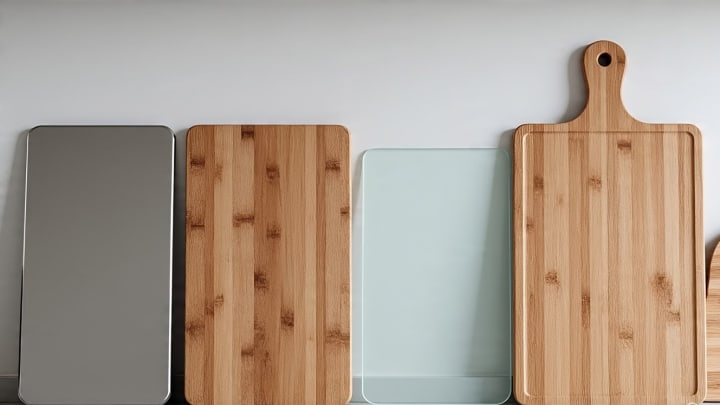
When exploring alternatives to a metal cutting board, it helps to understand the key features of other popular materials. Each has benefits, but none combine durability and hygiene as effectively as metal.
- Stainless Steel: Strong, hygienic, and dishwasher safe. It resists stains and odors but can feel heavy and may dull knives faster.
- Titanium: Lightweight, corrosion-resistant, and antibacterial. It’s gentler on blades than steel and eco-friendly, though it comes at a higher price.
- Wood: Loved for its traditional feel and being gentle on knives. However, it requires regular oiling, can warp with moisture, and may harbor bacteria.
- Plastic: Affordable, lightweight, and dishwasher safe. Yet, it grooves quickly, trapping food particles and bacteria, making it less safe over time.
- Bamboo: Stylish and eco-friendly. Harder than wood, but this hardness can damage knife edges. It may also split if not maintained properly.
- Composite: Built from resin and fibers. Durable, knife-friendly, and low-maintenance, but not as hygienic as non-porous materials like metal.
When compared to these traditional boards, a metal cutting board emerges as the modern and future-ready option. Its non-porous surface, antibacterial properties, and long-term reliability set it apart, making it the best choice for safe, efficient, and sustainable food preparation.
Care and Maintenance Tips for a Metal Cutting Board
Proper care ensures your metal cutting board stays hygienic, sharp-friendly, and long-lasting. With simple cleaning and handling practices, you can maximize its durability and keep it performing like new.
- Wash after every use with mild soap or in the dishwasher.
- Dry thoroughly to prevent water spots.
- Hone knives regularly if using stainless steel.
- Avoid abrasive cleaners that scratch surfaces.
- Rotate boards for specific uses—metal for meat, other boards for produce.
ChopChop USA Cutting Boards
ChopChop USA Cutting Boards combine durability with sleek design, making them a standout choice for modern kitchens. They’re engineered to deliver hygiene, strength, and convenience for everyday cooking needs.
Titanium Cutting Board
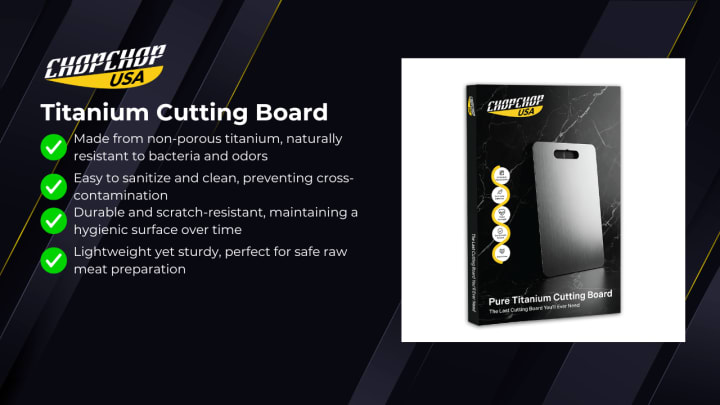
The ChopChop USA Titanium Cutting Board is engineered for those who prioritize performance, hygiene, and durability.
- Ultra-Durable: Won’t warp, crack, or deteriorate.
- Naturally Antibacterial: Non-porous titanium resists bacteria.
- Effortless Cleaning: Dishwasher safe and easy to rinse.
- Gentle on Knives: Softer than steel, preserving edges.
- Non Toxic Cutting Board: Free of chemicals and microplastics.
- Smart Investment: Long-term reliability with modern design.
Double-Sided Titanium Cutting Board

This Double-Sided Titanium Cutting Board option combines titanium toughness with eco-friendly wheat fiber.
- Double-Sided Design: Titanium for meats, wheat fiber for produce.
- Hygienic: Non-porous, antibacterial, and easy to sanitize.
- Eco-Friendly: Made from biodegradable wheat fiber and titanium.
- Knife-Friendly: Maintains blade sharpness.
- Durable: Designed for 10+ years of daily use.
Stainless Steel Cutting Board

Built to last, this Stainless Steel Cutting Board offers durability and hygiene in one.
- Antibacterial Surface: Resists bacteria and mold.
- Easy Cleaning: Rinse, wipe, or dishwash.
- Knife-Friendly: Protects sharpness.
- Budget-Friendly: No need for frequent replacements.
- Premium Choice: Combines modern design with performance.
Double-Sided Stainless Steel Cutting Board

This Double-Sided Stainless Steel Cutting Board brings versatility to your kitchen.
- Two Smart Sides: Rice husk for knives, stainless steel for durability.
- Antibacterial & Odor-Free: Keeps food safe and fresh.
- Easy to Clean: Dishwasher safe, resistant to stains.
- Lightweight & Strong: Balances handling and toughness.
ChopChop USA boards redefine what a metal cutting board should be—durable, hygienic, and stylish while being the safest cutting board material available today.
Is a Metal Cutting Board Right for You?
If hygiene, durability, and effortless cleaning top your list, a metal cutting board may be your best match. Resistant to stains and odors, it delivers long-term reliability, making it a smart choice for busy kitchens.
However, if you prioritize preserving knife sharpness or reducing cutting noise, titanium or dual-sided models may better suit your needs. ChopChop USA offers versatile options, ensuring every cook finds a board aligned with their style and preferences.
Conclusion
A metal cutting board offers unmatched hygiene, strength, and durability. While stainless steel and titanium have their trade-offs, they outperform wood and plastic for longevity and cleanliness.
With premium options from ChopChop USA, you get the safest cutting board material that balances safety, performance, and long-term value.
FAQs
Do metal cutting boards dull knives faster?
Yes, stainless steel is harder on blades. Titanium is gentler and helps preserve edges longer. Regular honing offsets dulling.
Can I wash a metal cutting board in the dishwasher?
Most stainless steel and titanium boards are dishwasher safe. Always confirm manufacturer guidelines for best results and long-term performance.
Are metal cutting boards safe for raw meat?
Yes, their non-porous design makes them ideal for raw meat. They resist bacteria and odors better than wood or plastic.
Which is better: stainless steel or titanium?
Stainless steel is affordable and tough. Titanium is lighter, gentler on knives, and offers premium durability. Choose based on budget and knife preferences.
Are metal cutting boards eco-friendly?
Yes. Their longevity reduces waste compared to disposable plastic or short-lived wood boards, making them a sustainable choice for eco-conscious kitchens.
About the Creator
Keep reading
More stories from Olivia Kim and writers in Lifehack and other communities.
You’re Wasting Your Life Without Realizing It — 7 Brutal Truths About Self-Development Nobody Tells You
For a long time, I believed self-development was about adding more into my life. More habits, more books, more routines, more goals. I thought that if I just kept stacking productivity systems and motivational ideas, I would eventually become the person I wanted to be. But the truth is far less comfortable—and far more powerful.
By Lukáš Hrdlička5 days ago in Lifehack
This Is What I Do When People Throw Rocks At Me
Rocks have been thrown at me for a greater part of my life. Some have been small and missed hitting me. When people don't get a reaction from me, they throw bigger rocks with a better aim. Many have been hurled at me with precision over the years. For a long time, I thought my only options were to dodge them or be crushed by them.
By Margaret Minnicks4 days ago in Confessions


Comments
There are no comments for this story
Be the first to respond and start the conversation.