
Maintenance Showdown: Caring for Tile and Hardwood Floors the Right Way
This article explores essential care strategies for both tile and hardwood floors, comparing their needs in everyday maintenance and long-term care.
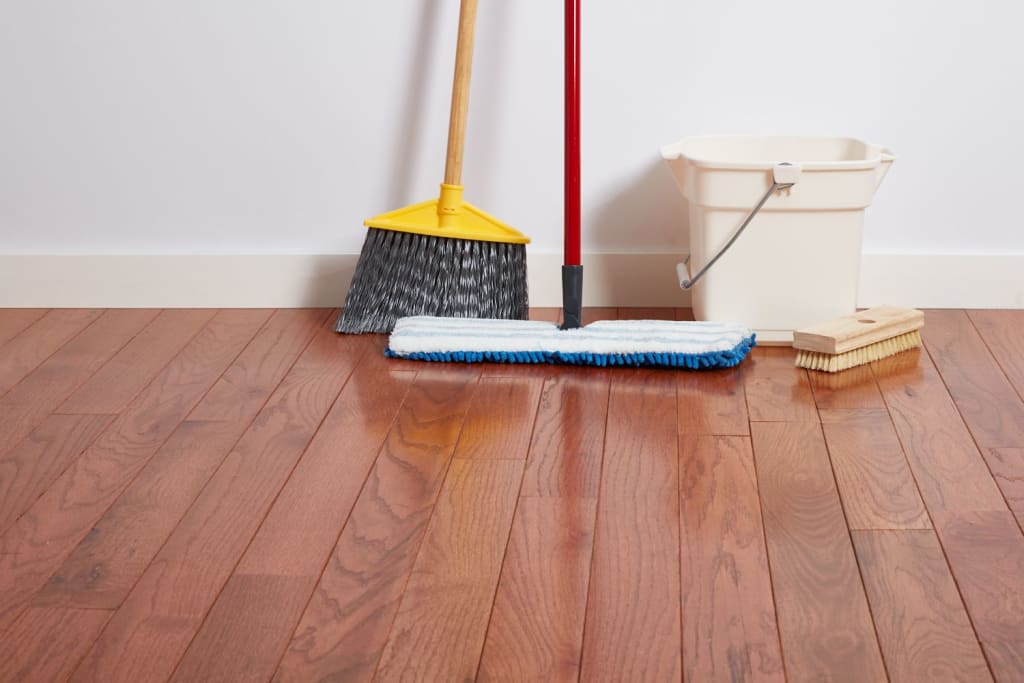
When it comes to keeping floors in great shape, homeowners often find themselves choosing between tile and hardwood. Each flooring type offers a unique combination of durability, aesthetics, and maintenance needs. Understanding the right way to care for each material can extend its lifespan and maintain its appearance for years to come. Whether someone is investing in tile flooring Littleton or refinishing aged hardwood, proper upkeep is the key to protecting that investment. This article explores essential care strategies for both tile and hardwood floors, comparing their needs in everyday maintenance and long-term care.
Daily Cleaning Routines
1. Sweeping Hardwood Floors
Hardwood floors require gentle care to avoid scratches from dust and dirt. Sweeping daily with a soft-bristled broom or microfiber dust mop removes abrasive particles that could damage the wood finish. It’s important to avoid stiff-bristle brushes or abrasive sweepers that can wear down the floor’s surface over time.
2. Vacuuming Tile Floors
Tile floors benefit from vacuuming, especially models designed for hard floors that won’t scratch the surface. Vacuuming helps remove dirt and debris lodged deep in grout lines, preventing discoloration and buildup. Using a vacuum with a brush roll-off or a soft brush attachment is ideal to avoid damage.
3. Mixing Techniques
Alternating between sweeping and vacuuming ensures both surface debris and embedded dirt are properly removed. Sweeping can be quicker for daily touch-ups, while vacuuming offers a more thorough clean. This combination extends the lifespan and appearance of both tile and hardwood floors.
Dealing with Spills
1. Tile's Natural Resistance
Tile flooring is highly resistant to water and most common household spills, allowing liquids to be wiped up easily without lasting damage. This resilience makes tile especially popular in kitchens, bathrooms, and mudrooms where moisture is common. However, it’s still important to clean spills promptly to avoid grout stains or mold growth.
2. Hardwood’s Sensitivity to Liquids
Hardwood floors are vulnerable to water damage because moisture can seep into the wood, causing warping, staining, or cupping. Even small spills should be wiped up immediately with a dry or slightly damp cloth to prevent long-term damage. Prolonged exposure to liquids may require costly repairs or refinishing.
3. Stain Prevention Strategy
In areas prone to spills, placing rugs or mats can add an extra layer of protection for both hardwood and tile. Protective coatings like polyurethane on hardwood and sealers on grout help repel liquids and stains. These measures minimize cleaning efforts and preserve the floors’ original look.
Mopping Tips
1. Light Damp Mopping for Hardwood
When mopping hardwood floors, excess water can seep into cracks and seams, causing the wood to swell and the finish to peel. A lightly damp mop with a pH-neutral cleaner specifically formulated for wood is the safest approach. Avoid steam mops or soaking the floor, as these can quickly lead to water damage.
2. Regular Mopping for Tile
Tile floors tolerate moisture well and can be mopped regularly with warm water and mild detergent. However, harsh chemicals or acidic cleaners should be avoided, as they can erode grout and dull the tile’s finish over time. Regular mopping also helps remove dirt trapped in grout lines.
3. Drying Time Considerations
Regardless of flooring type, it’s important to dry floors thoroughly after mopping. For hardwood, drying prevents moisture absorption which leads to damage. On tile, drying helps avoid water spots and reduces slip hazards, especially on polished surfaces.
Sealing Requirements
1. Sealing Grout Lines
Grout is porous and absorbs water, dirt, and oils, which can cause discoloration and promote mold growth. Applying grout sealer every 6 to 12 months forms a protective barrier that repels moisture and stains. Without sealing, grout can degrade faster and require frequent deep cleaning or replacement.
2. Hardwood Finishes
Hardwood floors are typically coated with protective finishes like polyurethane or wax, which guard against scratches, moisture, and wear. Over time, these finishes wear down and need to be reapplied every few years to maintain their protective qualities. Professional refinishing helps restore the floor’s appearance and durability.
3. Professional vs. DIY Sealing
While grout sealing can often be a DIY project, hardwood refinishing is best left to professionals to ensure an even, smooth finish. Proper sealing not only preserves the floor’s look but also extends its lifespan, saving costly repairs in the future.
Scratch and Dent Repair
1. Buffing and Spot Refinishing Hardwood
Minor scratches and dents on hardwood floors can often be repaired with buffing, which smooths the surface and blends imperfections. Deeper damage may require sanding and refinishing specific areas without affecting the entire floor. This repairability makes hardwood a practical choice for households prone to wear and tear.
2. Replacing Damaged Tiles
Unlike hardwood, damaged tile usually cannot be repaired and must be completely replaced. Cracked or chipped tiles not only look unsightly but can become a safety hazard if left unattended. Finding matching tiles can be challenging, especially for older floors, so careful maintenance is crucial.
3. Prevention Techniques
Protecting floors with felt pads under furniture, area rugs in high-traffic zones, and avoiding walking on floors with sharp objects reduces damage risk. Regular maintenance and quick attention to scratches or cracks help preserve both tile and hardwood floors’ beauty and functionality.
Conclusion
Choosing between tile and hardwood floors requires understanding their unique maintenance needs and limitations. Tile offers excellent durability and moisture resistance, making it ideal for busy or wet areas, while hardwood provides timeless elegance that requires more delicate handling and care. By following proper cleaning routines, sealing protocols, and damage prevention techniques, homeowners can protect their investment and enjoy beautiful floors for years. Whether upgrading or maintaining, knowledgeable care is essential, especially when investing in hardwood flooring Littleton. For those undertaking renovations, partnering with a professional can ensure expert installation and maintenance advice tailored to both tile and hardwood flooring needs.
About the Creator
Keep reading
More stories from thomas oshobo and writers in Lifehack and other communities.
A Complete Guide to Bathroom Remodeling in Plano
Bathroom remodeling Plano TX has become an increasingly popular home improvement project for residents seeking to enhance functionality, style, and comfort. Remodeling a bathroom is more than just a cosmetic upgrade — it involves strategic choices in fixtures, materials, and layouts that can add value and convenience for years to come. Whether updating a small powder room or creating a luxurious master bath retreat, understanding the essentials of bathroom remodeling can help homeowners make informed decisions and avoid costly mistakes. This guide covers the key aspects of bathroom renovation, focusing on the most important elements to consider for a successful project.
By thomas oshobo9 months ago in Lifehack
Your Comprehensive Guide to the EB-5 Visa
The United States has long been a destination for individuals seeking new opportunities and a better quality of life. For foreign investors, the EB-5 Immigrant Investor Program offers a direct path to achieving this goal. This program stimulates the U.S. economy through capital investment and job creation, and in return, provides investors and their families a route to permanent residency. This guide will walk you through every aspect of the EB-5 visa, from eligibility to the application process, so you can understand if this path is right for you.
By Ahsan Qazi 2 days ago in Lifehack
Marble Floor or Tile Floor: Which One Actually Works for Your Home?
You're renovating your home, the walls are done, the furniture is picked, and then you hit the floor decision. Suddenly you're standing in a showroom holding two samples: one gorgeous slab of marble and one sleek porcelain tile, completely stuck between choosing a Marble Floor or Tile Floor.
By Brijesh Agarwat4 days ago in Lifehack
Two Grumpy Old Men Solve the Problem
Marty and Steve were two grumpy old men who lived together. They had known each other for years. Marty had been a bachelor all his life. Steve said it was because no one could stand to ever live with. Marty’s standard reply was “Well, you are, so what sort of a moron does that make you!”
By Calvin London2 days ago in Humor


Comments
There are no comments for this story
Be the first to respond and start the conversation.