
Lyft Accelerates Into Europe: Snags FreeNow For €175M to Dominate Ride-Hailing
Lyft Revs Up in Europe: €175M FreeNow Deal Shakes Up Ride-Hailing!


The ride-hailing industry is witnessing a major shift as Lyft, the U.S.-based mobility giant, makes a bold move into Europe by acquiring FreeNow for €175 million. This strategic acquisition marks Lyft’s official entry into the European market, intensifying competition with rivals like Uber and Bolt.
How Lyft Plans to Integrate FreeNow
Lyft’s acquisition of FreeNow (a joint venture between BMW and Daimler) is more than just a market entry—it’s a strategic expansion. Here’s how Lyft intends to make the most of this deal:
1. Seamless Platform Integration
- FreeNow’s existing infrastructure in Germany, France, Spain, Italy, and Portugal will be merged with Lyft’s technology.
- Users can expect a unified app experience with multi-modal transport options, including e-scooters, taxis, and car rentals.
2. Leveraging FreeNow’s Partnerships
- FreeNow has strong ties with local taxi operators and public transport networks—Lyft will capitalize on these to ensure smooth operations.
- Existing driver networks will be retained to avoid service disruptions.
3. Competitive Pricing & Incentives
- Lyft may introduce introductory discounts to attract new European users.
- Driver bonuses and loyalty programs will help retain talent.
Financial Goals Behind the Acquisition
Lyft’s €175 million investment is a calculated move to achieve several financial objectives:
1. Revenue Growth in a New Market
- Europe’s ride-hailing market is projected to reach $40 billion by 2027—Lyft wants a significant share.
- FreeNow’s existing user base (millions of riders) provides immediate revenue streams.
2. Cost Efficiency & Synergies
- Instead of building operations from scratch, acquiring FreeNow saves time and capital.
- Shared tech infrastructure reduces long-term R&D costs.
3. Diversification Away from U.S. Dependence
- Lyft has faced stiff competition from Uber in North America—Europe offers a fresh battleground.
- A global footprint makes Lyft more attractive to investors and partners.
Future Prospects for Lyft in Europe
With FreeNow under its wing, Lyft’s European ambitions look promising:
1. Expansion into New Cities
- Lyft may extend services to Eastern Europe and Scandinavia, where competition is lower.
- Potential partnerships with public transit agencies for last-mile connectivity.
2. Electrification & Sustainability Push
- Europe’s strict emission regulations align with Lyft’s carbon-neutral goals.
- Expect more electric vehicle (EV) fleets and bike-sharing integrations.
3. Autonomous Ride-Hailing Experiments
- Lyft could test self-driving cars in tech-friendly cities like Berlin or Barcelona.
Why Lyft Chose FreeNow ?
Several factors made FreeNow the perfect acquisition target:
✔ Established Brand Recognition – FreeNow is already a trusted name in Europe.
✔ Regulatory Compliance – FreeNow operates legally in multiple EU countries, avoiding Lyft’s past regulatory hurdles.
✔ Multi-Service Platform – Unlike Uber, FreeNow offers taxis, e-scooters, and car rentals, giving Lyft an edge.
Conclusion
Lyft’s acquisition of FreeNow is a game-changer in the ride-hailing industry. By entering Europe with an established player, Lyft avoids the pitfalls of starting from zero while positioning itself as a strong competitor to Uber.
With smart integration, financial discipline, and a focus on sustainability, Lyft is poised to redefine urban mobility in Europe. The next few years will be crucial in determining whether this bet pays off.
FAQs
1. Why did Lyft buy FreeNow instead of expanding alone?
- Answer: Acquiring FreeNow saves time, money, and regulatory headaches—Lyft gains an immediate operational network.
2. Will FreeNow’s name change to Lyft?
- Answer: Likely, but Lyft may retain the FreeNow brand in some regions to avoid confusion.
3. How does this affect Uber?
- Answer: Uber now faces a well-funded competitor in Europe, possibly leading to price wars and innovation battles.
4. What’s next for Lyft in Europe?
- Answer: Expect more city expansions, EV integrations, and possible mergers with local transport services.
5. Will Lyft’s U.S. services be affected?
- Answer: No—this is an expansion, not a shift. Lyft will continue growing in North America simultaneously.
Final Thoughts
Lyft’s bold European move signals its ambition to compete globally. If executed well, this acquisition could make Lyft a dominant force in urban mobility. 🚗💨
About the Creator
Jacky Kapadia
Driven by a passion for digital innovation, I am a social media influencer & digital marketer with a talent for simplifying the complexities of the digital world. Let’s connect & explore the future together—follow me on LinkedIn And Medium
Keep reading
More stories from Jacky Kapadia and writers in Lifehack and other communities.
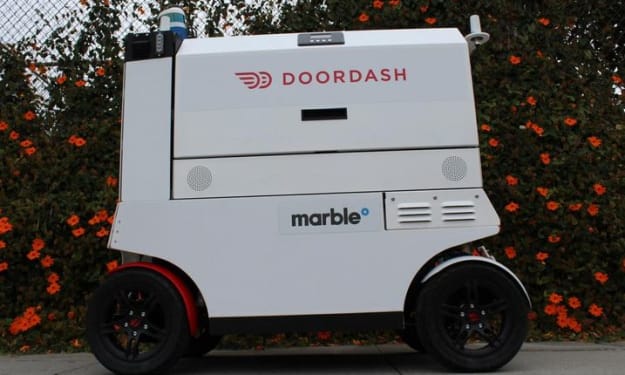
Robots On The Roll: DoorDash Debuts Autonomous Drops In LA & Chicago
The future of food delivery is rolling onto the streets of Los Angeles and Chicago, as DoorDash announces the expansion of its autonomous robot delivery fleet to these bustling cities. Combining cutting-edge technology with a commitment to convenience, DoorDash is redefining last-mile logistics. Here’s everything you need to know about how these robots work, when they’ll arrive, where they’ll operate, and what this means for the future of delivery.
By Jacky Kapadia11 months ago in Lifehack
Top 10 Luxury Shower Systems for Modern Bathrooms
Introduction Modern bathrooms have evolved far beyond simple functionality. Today, homeowners are focusing on comfort, relaxation, and sophisticated design. One of the most popular upgrades in contemporary homes is installing luxury shower systems that provide spa-like comfort combined with advanced technology.
By FontanaShowersabout 10 hours ago in Lifehack



Comments
There are no comments for this story
Be the first to respond and start the conversation.