
Love Your Clothes Longer: Sustainable laundry practices for Designer Clothing
From sustainable laundry practices to clever storage tips that keep those threads looking fresh off the runway, this post will arm you with everything you need to maintain—and celebrate—the beauty of your most prized possessions.


In a world where fashion moves at lightning speed, it's easy to forget that our beloved designer clothing deserves more than just a fleeting moment in the spotlight. They’re not just garments; they’re investments, stories stitched into fabric, and expressions of our personal style.
But how can we ensure these treasures stand the test of time? From sustainable laundry practices to clever storage tips that keep those threads looking fresh off the runway, this post will arm you with everything you need to maintain—and celebrate—the beauty of your most prized possessions. Let’s extend their lifespan together while treading lightly on our planet!
Introduction to sustainable fashion and the importance of caring for designer clothing
Sustainable fashion is more than just a trend; it’s a movement towards mindful living and appreciating the art of craftsmanship. Designer pieces often come with hefty price tags, not only because of their impeccable quality but also due to the stories and ethics behind them. Caring for these garments properly is essential—not just for your wardrobe but for our planet.
According to estimates, a single load of laundry can release as many as 700,000 microplastics into the sewage system, primarily originating from synthetic fabrics.
Every time we wash our clothes, we impact the environment. From water consumption to microplastics that pollute oceans, understanding how to clean clothes in washing machines can make all the difference. Embracing sustainable laundry practices means cherishing what you own while minimizing waste.
Understanding clothing care labels and symbols
Clothing care labels are your secret weapon for maintaining the longevity of your favorite pieces. These tags provide essential information about how to treat each item, ensuring you keep it looking fresh and new.

- Most labels include symbols that represent washing methods, drying techniques, and ironing guidelines. Familiarizing yourself with these icons can save you from potential fashion disasters.
- Don’t overlook temperature settings either! Cold water is often best for preserving colors and fibers, especially when washing clothes made from organic fabrics.
- Pay attention to any special instructions like “do not bleach” or “dry clean only.” Ignoring these can lead to irreversible damage.
Taking a moment to read clothing care labels is essential, as the designer clothing store puts them on your investment pieces to ensure proper care.
Tips for hand washing delicate items
Hand washing delicate items is a gentle way to ensure they stay in pristine condition, and most designer clothing stores in Gurgaon will suggest you do the same. Start by filling a basin with cool or lukewarm water. Hot water can damage fabrics.
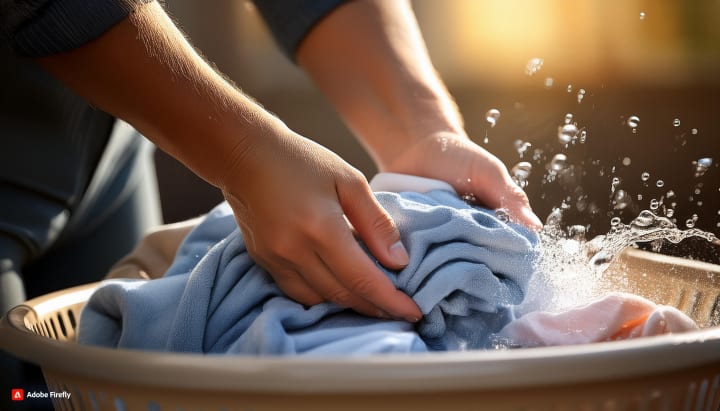
- Add a small amount of mild detergent specifically designed for delicates. Swirl the water gently to create suds without agitating the fibers too much.
- Submerge your garment and let it soak for about 10 minutes. Avoid scrubbing, as this can cause pilling or stretching.
- After soaking, lightly press the fabric against itself to release dirt and grime. Rinse thoroughly under cool running water until all soap is gone.
- Lay the item flat on a clean towel, roll it up, and gently squeeze out excess moisture. Never wring or twist! Finally, reshape your piece before air drying away from direct sunlight. This will help maintain its original form and color vibrancy.
How to properly machine wash and dry different types of fabric
If you're using a washing machine, incorporating sustainable laundry practice by waiting until you have a full load before running it can significantly reduce water and energy consumption.
- Machine washing can be daunting, especially with various fabrics. Understanding the specific needs of each material is key.
- Cotton is durable and usually safe for hot water. Use a gentle cycle to keep it looking fresh longer. Always check for colors that might bleed.
- For synthetics like polyester or nylon, cold water works best. This helps maintain elasticity and prevents fading. A quick spin cycle does wonders without causing damage.

- Delicate fabrics such as silk or lace require extra care. Opt for a mesh laundry bag and select the gentle cycle with cold water to avoid snags.
- When drying, air-drying is ideal for most delicate items from your favorite designer clothing store to prevent shrinking or stretching. For tougher fabrics, tumble dry on low heat but always read labels first!
DIY natural laundry detergents and stain removers
Creating your own natural laundry detergent is a simple and eco-friendly practice.
- Start with washing soda, which cuts through grease effectively.
- For a fresh scent, add essential oils like lavender or lemon. These not only smell great but can also provide antibacterial properties.
- Stain removers can also be homemade. A paste of baking soda and water works wonders on tough spots. Just apply it directly to the stain before laundering.
- Another effective solution involves mixing equal parts white vinegar and water in a spray bottle. Spray on stains and let sit for 15 minutes before washing.
These DIY solutions are cost-effective and less harmful to the environment than commercial products, making them perfect for sustainable laundry practices. Enjoy cleaner clothes without compromising your commitment to sustainability!
Proper storage techniques to prolong the life of your clothes
Proper storage is key to maintaining your designer pieces.

- Start by choosing the right hangers; padded or wooden ones are ideal for delicate fabrics. Avoid wire hangers, as they can distort the shape of your garments.
- For knitwear and heavier items, folding is a must. This prevents stretching and keeps them looking fresh longer. Use acid-free tissue paper between layers for added protection.

- Make sure your closet is clean and dry to ward off pests and mildew. Adding silica gel packets can help absorb excess moisture.
- Regularly check on stored items to ensure they're in good condition. A little attention goes a long way in preserving their quality over time.
If you're storing clothes long-term, consider breathable garment bags instead of plastic covers. Plastic traps humidity, which can lead to mold growth.
Conclusion on sustainable clothing care practices
Caring for designer pieces isn't just about maintaining their appearance; it's about embracing a lifestyle rooted in sustainability. By adopting sustainable laundry practices, you significantly reduce your environmental footprint while ensuring that your favorite garments last longer.
About the Creator
Chetna Bagga
A sustainable fashion brand, homegrown label and designer clothing store in Gurgaon. We celebrate slow living through minimalist, ethically designed clothing that empowers you to dress with intention and care for the planet
Keep reading
More stories from writers in Lifehack and other communities.
Is It Better To Eat Protein Before Or After A Workout? How To Optimize Your Intake For Muscle Growth
If you've given WH's protein challenge a go, you know how important this macro is to your health and fitness goals and a strong training sesh. But does it matter when, exactly, you get some protein in around your workouts impact muscle growth?
By Dena Falken Esq3 days ago in Lifehack
Rage
Content Warning: Domestic Violence, Assault Rage D. A. Ratliff “Who did this?” My voice echoed through the house. All I wanted was a cup of tea, but one of the twins, running through the house like maniacs, knocked it over. My nerves tingled, and every muscle in my body felt coiled like a spring. Survival seemed out of reach.
By D. A. Ratliff7 days ago in Fiction
The Blue Ridge Stalker
Tom had left the Ford down the way, its spark plugs finally exhausted and no mechanics for a dozen miles back through the foothills to Strossburg. No matter, he had worn his boots—almost as if he planned for this to happen. The puzzle he sought to solve emanated from the woods clinging to the slopes above; the valley behind held no mysteries.
By Stephen A. Roddewig5 days ago in Fiction




Comments
There are no comments for this story
Be the first to respond and start the conversation.