

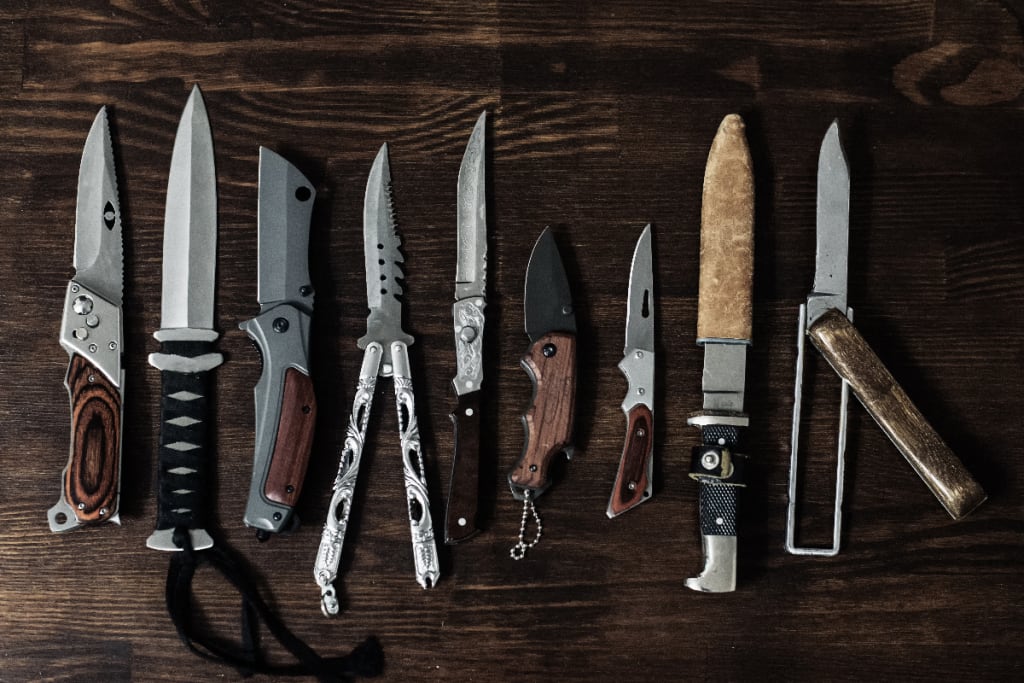
Please check with your local Law Enforcement about the rules of knife ownership in your area prior to purchasing one. When handling a knife, use it with extreme care.
The pocket knife is the most essential tool you’ll ever own in prepping. Getting a good quality knife is important to your Doomsday survival. 35 million households in America own a pocket knife. The knife industry makes 5.9 billion dollars a year from outdoor enthusiasts and preppers. Most preppers swear this is the only tool you’ll need in a crisis. Knives can do practically anything. You can use the blade’s reflective surface as a firestarter. You can cut leaves and berry clusters from edible plants. Pretty much as long as you properly maintain your knife, it’ll last forever. Here’s how to do it.
Cleaning
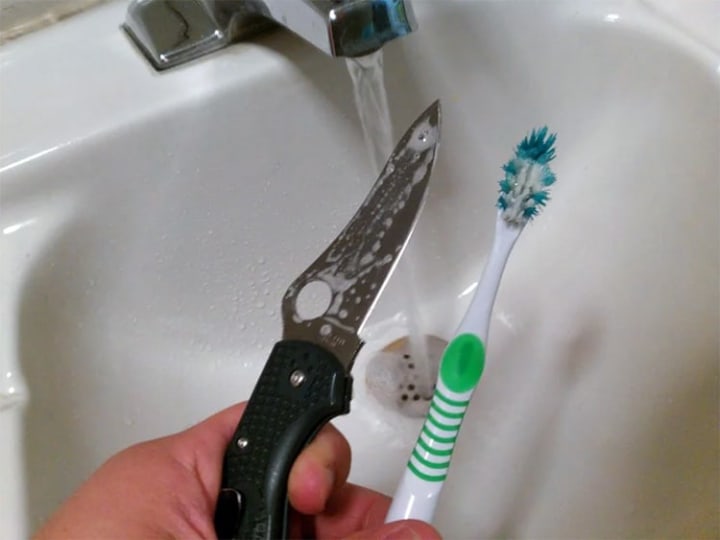
You should clean your knife after each use, to prevent rusting and other damage to them. To begin, you’ll need to open it up. Use a toothpick to scrape gunk stuck inside the handle. If any repairs need to be made, this would be the time to do it. Next, you’ll run it under warm water, flushing the inside of the handle. Add a drop of dish soap to a small, soft-bristled brush (an old toothbrush is perfect for this job) and give it a very thorough, but careful, scrubbing. Pay extra attention to the locking mechanisms to make sure it works correctly. If it’s a Swiss Army Knife or a multi-tool blade, you need to clean each tool carefully. Use a cotton swab to get into every corner or groove on it. When finished, leave it in a safe area to air dry.
Sharpening
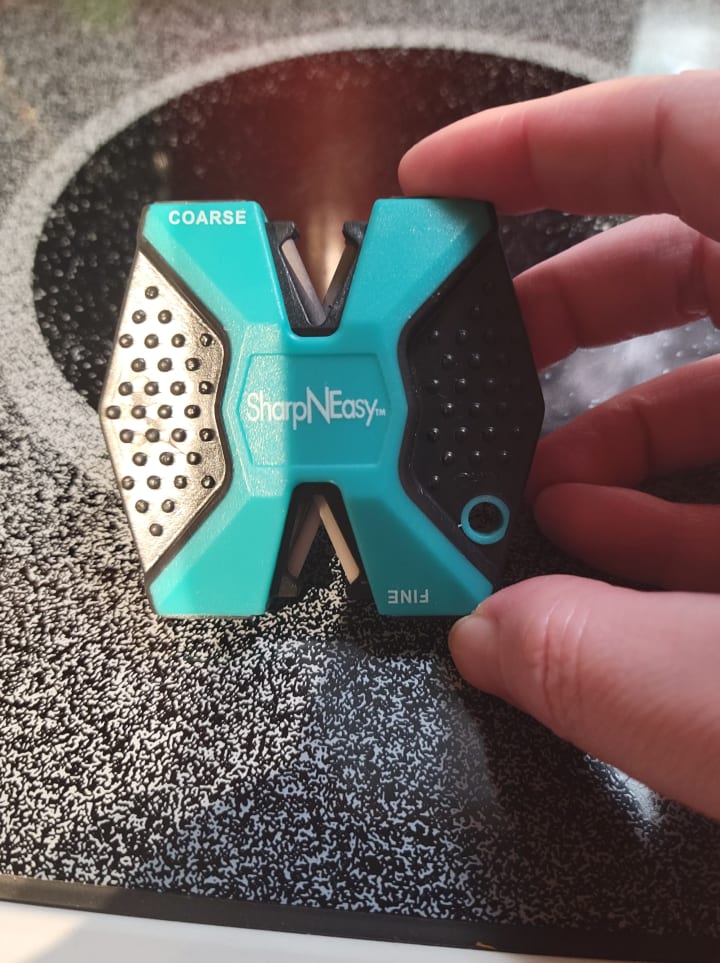
Keeping your blade sharp is critical for its success. You are most likely going to end up with a more severe injury with a dull blade than you would a sharp one. This is because you are using more force than you should, increasing the chance of the blade slipping out from under your hand. To prevent your blade from getting dull, sharpen it once a month, or between uses, depending on how many times you use it in a day. If using a whetstone, soak it in water for 5-10 minutes. The best way to do this is by dropping it in a bowl of water so it’s completely submerged. Leave it there until the bubbles stop. Once saturated, run each side of the blade over the course side 3-4 times, while holding it at a 45-degree angle. Repeat the same way on the fine side of the stone. If it’s a basic sharpener (like the one in the photo) repeat the steps, but without soaking it in water first. Be careful not to overdo it, as this can make your blade brittle and break under pressure.
Lubrication
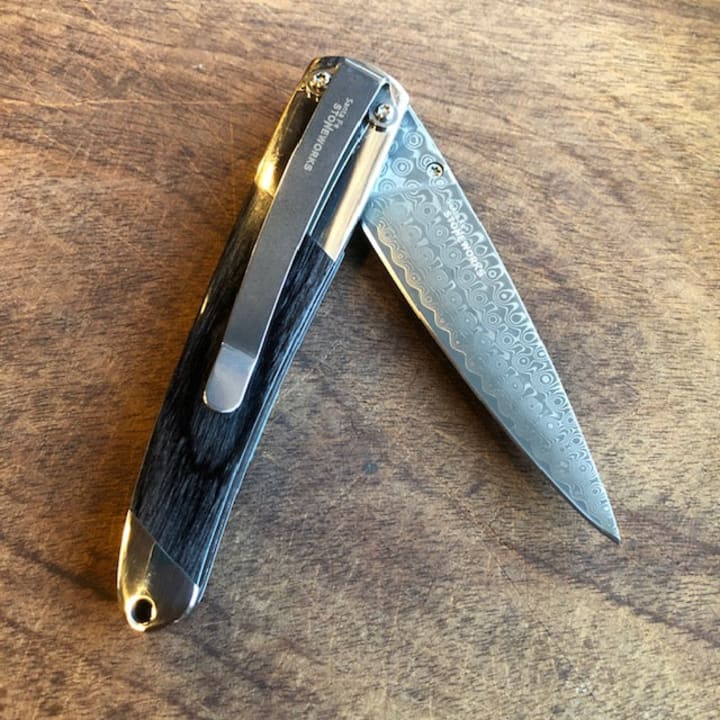
Once the blade is clean and sharp, it’s time to make sure it’s in good working order for next time. If it is a folding knife, this needs to be done as often as you sharpen it. Lubricating the folding mechanism keeps it in good working order for next time. A dry lubricant such as Rem-DriLube is the best choice, as it gets the job done without the oily mess. For the standard locking liner knife, apply the lube directly to the area where the blade pivots to open. Open and close the blade a few times to run it through the mechanism. Repeat until it opens smoothly. If it’s a lock back or slips joint knife, open the blade perpendicular to the handle. Apply the lube into the notch at the tang. Open and close it like you would the locking liner knife until it opens smoothly. If you can’t find any dry lubricate, then use a thick grease-style one, but really any oil works for the job. Try to find one that comes with an applicator tube, or shop straw, for a more precise application.
Storing
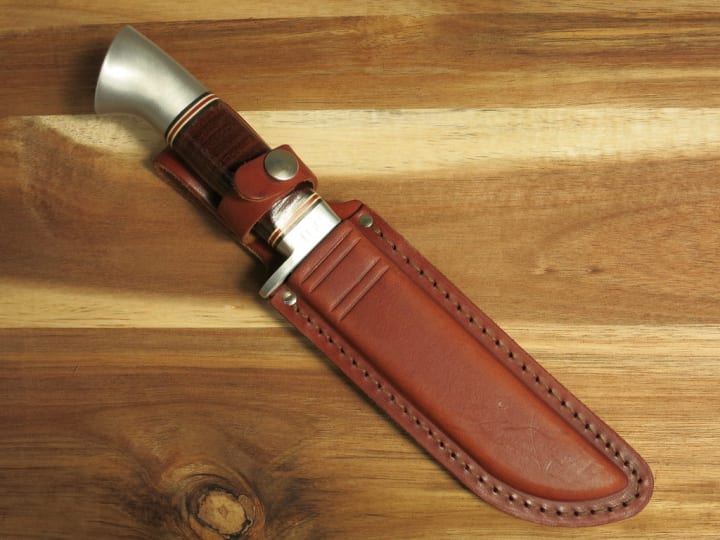
When your knife is not in use, it should be properly stored away by closing it and putting it in a sheath. This provides the ultimate protection from damage, rust, and corrosion. These are the three biggest threats to knives. Leather sheaths are best, but synthetic versions are just as good. This type of material allows for better ventilation and protection against its archenemy, water. Unfortunately, don’t keep them here for long periods of time as dirt can get into them, causing corrosion. Another thing that can cause corrosion is when you use harsh chemicals not designed for knives to clean them. Never put it away wet as this can make the blade rust. If it is not your Everyday Carry (EDC) blade, store it with a guard over the blade in a cool, dry place.
Using It Correctly
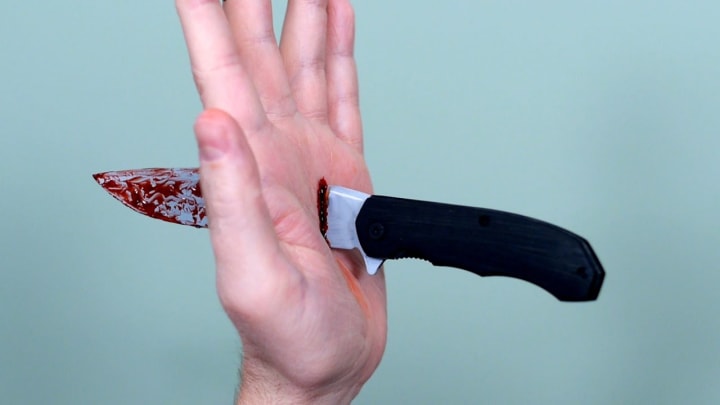
Remember, knives are a tool, not a toy. Every year, 434,259 people are admitted to the ER for knife-related injuries. This averages out to 1,190 cases a day. To prevent you from becoming one of these cases, you should always handle a knife with care. Always make sure the blade is sharp and not loose in the handle prior to starting a job. Address any flaws right away and make the repairs as quickly as possible. Do not throw it regardless if it’s open or not. Don’t use it outside of its intended purpose, as this could damage the handle or blade, leading to defects that could cause harm to you or others. Never pass a knife blade side up to another person. Pass it with the blade pointing down and away from the person. When cutting something cut away from the body, so if the blade slips, you aren’t stabbing yourself. Never leave unattended around children, and should be treated the same way you would your firearm.
About the Creator
M.L. Lewis
Welcome to my little slice of pie. This blog will primarily focus on prepping and homesteading skills with a sprinkle of fiction every now and then.
Keep reading
More stories from M.L. Lewis and writers in Lifehack and other communities.
Making A Specialty Kit
The Water Purification Bucket is a unique concept that every prepper should have on hand. It is a bucket with supplies in it designed to collect, filter, and purify water. During an emergency, your water storage can only get you so far. The average person will go through a minimum of two gallons of water a day. That’s 28 gallons in a two-week period for a single person. If a crisis lasts months or years, you’ll eventually run out. One of the first things to go in a disaster would be the water lines, as many will become destroyed or contaminated by sewage entering through the storm drainage system. By putting together a Water Purification Bucket you’ll have all the supplies you need on hand to ensure your family has the means of getting water when what you stored runs out.
By M.L. Lewis4 years ago in Lifehack
Industrial Air Pollution Control: Why Clean Air is the Future of Manufacturing
Introduction Clean air isn’t just a matter of comfort in industrial settings—it’s a necessity. As industries expand and manufacturing processes become more advanced, the byproducts of production are having a significant impact on the environment and the health of workers. Factories, plants, and warehouses emit pollutants ranging from toxic gases to fine particulate matter, creating a hazardous atmosphere both indoors and outdoors. This blog explores how air pollution control has evolved into a core pillar of sustainable industrial growth, how regulations are shaping corporate responsibility, and why businesses must prioritise cleaner air strategies to remain competitive, ethical, and future-ready.
By Hafsa Usmani6 days ago in Lifehack
EMR Billing Solutions: A Complete Guide for Modern Healthcare Practices
Healthcare providers today face mounting administrative pressures alongside rising operational costs. Accurate documentation, timely claim submission, and regulatory compliance are critical for financial stability. EMR billing solutions offer an integrated approach that connects clinical records with revenue cycle management, improving efficiency and reimbursement outcomes.
By Tracee Jones5 days ago in Lifehack


Comments
There are no comments for this story
Be the first to respond and start the conversation.