
Introduction of cosmetic packaging materials
cosmetic packaging
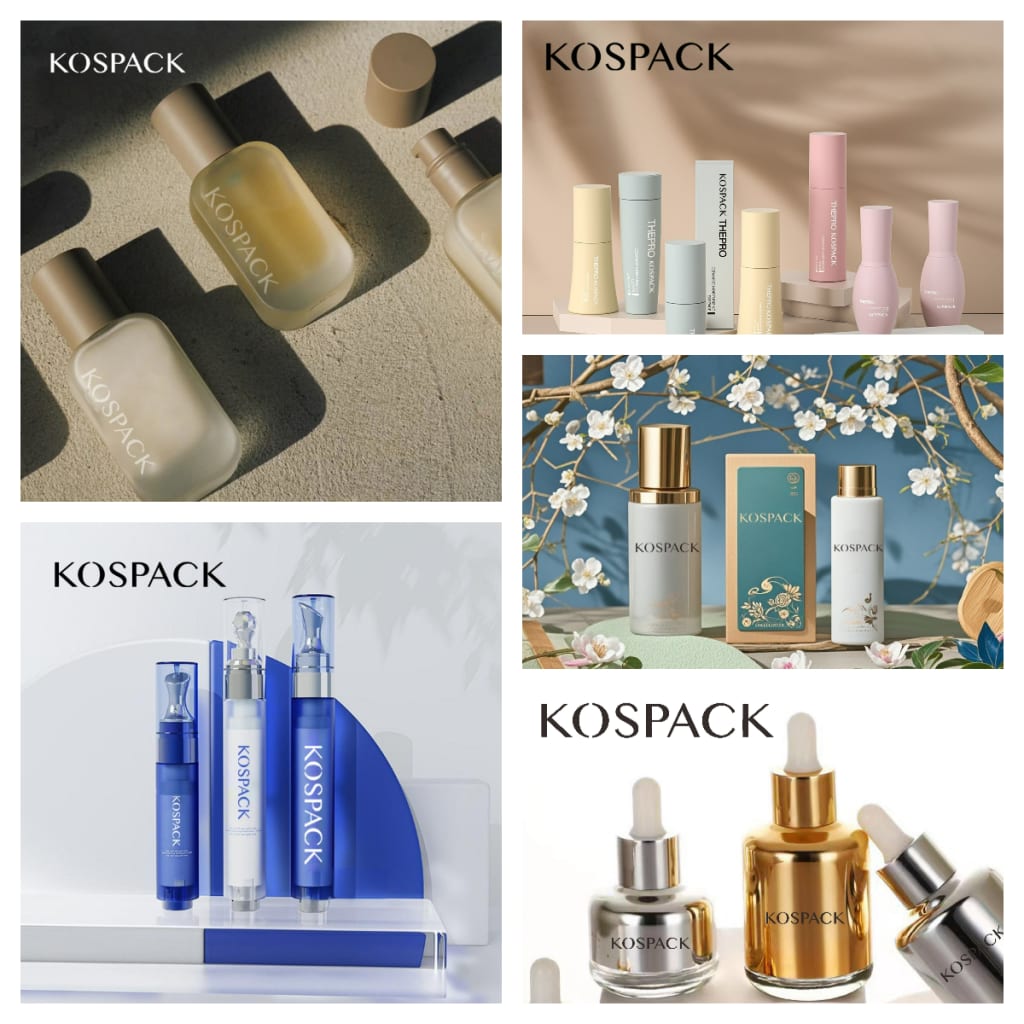
Cosmetic packaging materials are a vital part of the production and sales process of cosmetics. They not only protect the products, but also directly affect the market performance of the products and the purchasing experience of consumers. A well-designed package can not only extend the service life of cosmetics, but also convey the brand’s image and values. The following will introduce several common cosmetic packaging materials and their characteristics.
Glass is one of the common materials in cosmetic packaging, especially in the packaging of high-end cosmetics and perfumes. The transparency and hardness of glass make it have an excellent display effect in packaging, which can well show the texture and color of cosmetics. In addition, glass materials have strong chemical stability and are not easy to react with the ingredients in cosmetics, which is especially important when preserving cosmetics with high active ingredients.
However, glass packaging also has its limitations. It is heavy and fragile, and special care is required when transporting and carrying. In addition, the production process of glass consumes a lot of energy and has a certain impact on the environment. Therefore, some brands are also exploring environmentally friendly alternatives to glass packaging.
Plastic is the most widely used material in cosmetic packaging. It is the first choice of many cosmetic brands because of its lightness, low cost and easy processing into various shapes. Common plastic materials include polyethylene (PE), polypropylene (PP), polyethylene terephthalate (PET), etc.
The main advantages of plastic materials are light weight, low cost, easy mass production, and they can also be designed to be transparent or opaque as needed. However, the environmental friendliness of plastic has been questioned because of its long degradation cycle and easy environmental pollution. Therefore, in recent years, many cosmetics brands have begun to use recyclable or degradable bioplastics to reduce the impact on the environment.
3. Metal materials
Metal materials also have a place in cosmetic packaging, especially in the outer shell packaging of products such as lipstick and powder boxes. Common metals are aluminum and tin. Metal materials have a strong texture and aesthetics and are often used in the packaging of high-end cosmetics. Aluminum, as a lightweight metal, has anti-corrosion and anti-oxidation functions, which can effectively protect cosmetics from the influence of the external environment.
Similar to glass, metal materials are highly recyclable and environmentally friendly. However, the processing cost of metal materials is high, and in some applications, excessive use of metal packaging may cause inconvenience to consumers, such as when traveling, metal packaging will increase the weight of luggage.
4. Paper packaging
Paper materials are increasingly favored by cosmetics brands, especially as the concept of environmental protection becomes more and more popular, paper packaging is seen as a green and environmentally friendly choice. Many brands use recycled paper or degradable paper materials to replace traditional plastic packaging. This not only reduces the use of chemicals, but also enables complex patterns to be printed on the packaging, enhancing the visual performance of the brand.
The main disadvantage of paper packaging is that it has low strength and is easily affected by moisture or deformed, so it is usually combined with other materials (such as plastic or metal) to enhance its protective performance.
5. Composite materials
Composite materials are an innovative choice in cosmetic packaging. They are usually composed of two or more materials combined to give full play to the advantages of different materials. For example, some high-end cosmetics may use a combination of plastic and metal, glass and plastic, etc., which not only ensures the beauty of the packaging, but also increases practicality.
The challenge of composite materials lies in the complexity of recycling. Due to the combination of multiple materials, it is difficult to disassemble and sort for recycling, so some brands are studying how to design more environmentally friendly composite materials for easy recycling.
Conclusion
The choice of cosmetic packaging materials is not only related to the appearance and function of the product, but also closely related to environmental protection. As consumers become more environmentally conscious, future cosmetic packaging materials will focus more on sustainability and recyclability. When designing packaging, brands need to balance environmental protection and aesthetics in addition to considering the practicality of the product, so as to stand out in the market competition.
About the Creator
Can You Take a Pregnancy Test During Your Period?
During menstruation, women experience vaginal bleeding for a few days. This is a biological activity where the body expels the unfertilized eggs following a cycle. The period blood usually contains the uterine lining and eggs that never mated sperm. A pregnancy while you are on period is usually not possible.
By Alice Perryabout an hour ago in Lifehack



Comments