
Interior Paint Selection: How to Choose the Perfect Colors for Every Room
How to Choose the Perfect Colors for Every Room

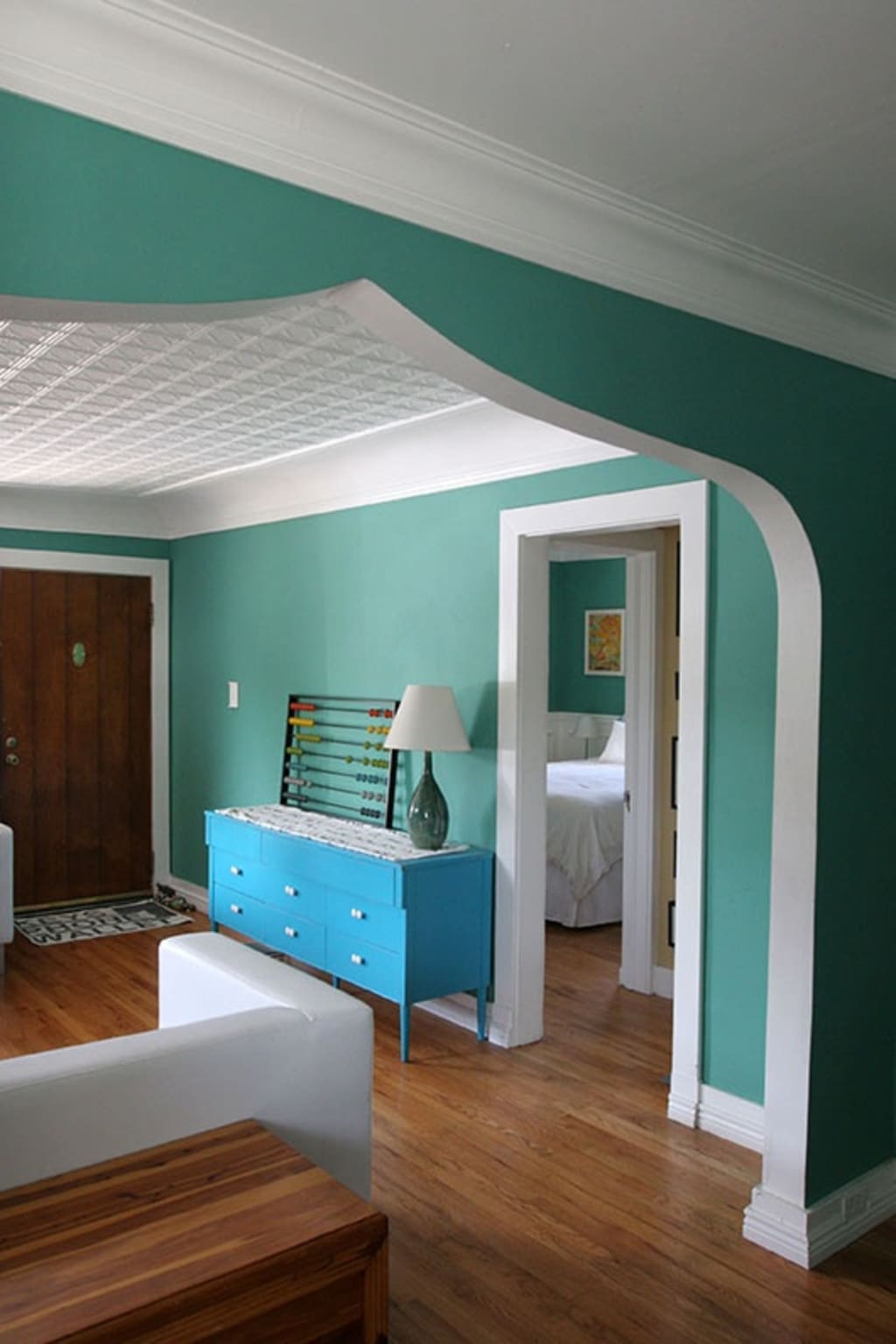
Selecting the best interior paint colors for your home goes beyond a mere design decision; it expresses your personal style and the atmosphere you wish to cultivate in each room. The right shades can dramatically transform a space, making it feel warm and inviting, spacious, lively, or peaceful. However, with many options available, finding the perfect hues can be daunting. This guide will provide you with essential considerations and expert tips to help you choose the best interior paint colors for every room, ensuring a cohesive and beautifully designed home.
Understanding the Basics of Color Theory
Before diving into specific room-by-room recommendations, it’s essential to have a basic understanding of color theory. Colors can evoke emotions, influence moods, and alter the perception of space. Here’s a quick overview:
- Warm Colors: Shades like red, orange, and yellow are considered warm colors. They tend to create a cozy, inviting atmosphere and are great for spaces meant for socializing, such as living rooms and dining areas.
- Cool Colors: Blue, green, and purple are cool colors that often evoke a sense of calm and relaxation. They are perfect for bedrooms, bathrooms, and other areas where you want to create a tranquil environment.
- Neutral Colors: Neutral shades, including whites, grays, and beiges, offer versatility and timeless appeal. They serve as a backdrop for other design elements and work well in any room.
- Accent Colors: These are bold, vibrant colors used sparingly to highlight specific areas or features within a room. Accent colors can be used on a single wall, in furnishings, or through decorative accessories.
Factors to Consider When Choosing Paint Colors
When selecting paint colors for your home, several factors should influence your decision to ensure you achieve the desired effect in each room.
1. Room Size and Natural Light
The size of the room and the amount of natural light it receives should play a significant role in your color choice:
- Small Rooms: Light colors, such as soft whites, pastels, or light grays, can make small rooms appear larger and more open. Dark colors may make these spaces feel cramped and enclosed.
- Large Rooms: Larger rooms can handle darker, more saturated colors, which can make the space feel cozier and more intimate.
- Natural Light: Rooms with plenty of natural light can handle both dark and light colors. However, be mindful of how the light changes throughout the day, as this can alter the appearance of the color.
2. Room Function and Mood
Each room in your home serves a different purpose, and the paint color should reflect the mood you want to create in that space:
Living Room: This is typically the most social space in the home, so choose colors that are warm and inviting. Earthy tones like beige, taupe, or warm grays work well, as do muted shades of blue or green for a more relaxed atmosphere.
Kitchen: Kitchens are often bustling with activity, making them ideal for bright, energizing colors. Consider warm tones like yellow or terracotta, or crisp, clean whites for a modern look.
Bedrooms: The bedroom is a personal retreat, so choose colors that promote relaxation and rest. Soft blues, greens, and lavenders are popular choices, along with warm neutrals like beige or light gray.
Bathrooms: For bathrooms, light, cool colors like soft blues, greens, or whites can create a spa-like, refreshing feel. If the space is small, these colors can also help make it appear larger.
Home Office: In a home office, you want a color that enhances focus and productivity. Consider muted tones like gray, green, or blue, which are known to reduce stress and improve concentration.
Dining Room: Dining rooms are spaces where people gather to enjoy meals, so colors that stimulate appetite and conversation, such as deep reds, rich browns, or warm neutrals, are excellent choices.
3. Existing Furniture and Decor
Your paint color should complement the existing furniture and decor in the room:
Coordinate with Furnishings: Choose a paint color that enhances the color scheme of your furniture, artwork, and accessories. If your furnishings are neutral, you have more flexibility to experiment with bold wall colors.
Consider the Floor: The color of your flooring can also impact your paint selection. Light-colored floors pair well with both light and dark walls, while dark floors often look best with lighter wall colors to create contrast.
4. Personal Style and Preferences
Ultimately, your personal taste should guide your color choices. If you’re drawn to vibrant, bold colors, incorporate them in a way that complements the overall design of your home. Conversely, if you prefer a more subdued palette, stick to soft neutrals and pastels that create a calming environment.
Room-by-Room Color Guide
Now that we’ve covered the basics, let’s explore specific color recommendations for each room in your home.
Living Room
The living room is often the heart of the home, where family and friends gather. Here are some color ideas:
Warm Neutrals: Beige, taupe, or light gray create a warm, inviting space that feels comfortable and relaxed.
Soft Blues and Greens: These colors evoke calmness and can help create a soothing environment for relaxation.
Rich Earth Tones: Shades like terracotta, olive green, or deep browns can add warmth and a sense of sophistication to the living room.
Kitchen
The kitchen is a space of energy and activity, so consider colors that are bright and uplifting:
Bright Whites: A classic choice that creates a clean, modern look and pairs well with any decor.
Warm Yellows: Yellow is known to stimulate appetite and can add a cheerful, sunny vibe to your kitchen.
Soft Greens: Sage or mint green can create a fresh, natural feel, perfect for a kitchen environment.
Bedroom
For a peaceful and restful bedroom, choose colors that promote relaxation:
Soft Blues: Light blue is a popular choice for bedrooms due to its calming effect.
Lavender: A soft lavender shade can create a soothing, serene atmosphere that’s perfect for unwinding.
Warm Neutrals: Beige, soft gray, or even light taupe can create a cozy, welcoming feel.
Bathroom
Bathrooms benefit from colors that create a fresh and clean environment:
Cool Blues and Greens: These colors are perfect for creating a spa-like atmosphere in the bathroom.
Crisp Whites: White is a timeless choice that gives the bathroom a clean, bright appearance.
Soft Grays: Light gray offers a modern, sophisticated look that pairs well with white fixtures and accents.
Home Office
In a home office, focus on colors that enhance concentration and productivity:
Muted Blues: Soft blue can help create a calm, focused work environment.
Greens: Green is associated with growth and balance, making it an excellent choice for a workspace.
Soft Grays: Gray offers a neutral backdrop that allows you to stay focused without distraction.
Dining Room
The dining room is a space for gathering and entertaining, so choose colors that enhance this experience:
Deep Reds: Red is known to stimulate appetite and conversation, making it a popular choice for dining rooms.
Rich Browns: Dark brown or chocolate hues can create a warm, elegant dining atmosphere.
Warm Neutrals: Beige, taupe, or soft gold can provide a subtle, sophisticated backdrop for your dining area.
Tips for Testing Paint Colors
Before committing to a color, it’s important to test it in the actual space where it will be used. Here are some tips:
Paint Samples: Purchase small paint samples and apply them to the walls in different areas of the room. Observe how the color looks in natural light and under artificial lighting at different times of the day.
Use Large Swatches: Apply the sample paint in large swatches rather than small patches. This will give you a better idea of how the color will look on a larger scale.
Consider Adjacent Rooms: If your rooms flow into one another, choose colors that complement each other to create a cohesive look throughout your home.
Conclusion
Selecting the perfect interior paint colors for your home can transform your space, creating an environment that reflects your style and enhances the mood of each room. By considering factors such as room size, natural light, function, and existing decor, you can confidently choose colors that will make your home feel harmonious and inviting. Whether you’re drawn to calming blues for your bedroom, energizing yellows for your kitchen, or sophisticated neutrals for your living room, the right paint colors can elevate your home’s interior design to new heights.
About the Creator
Ayesha Rasheed Rajpoot
Video Editor & Content Creator || Expert in Web Content & Blog Posts || SEO Specialist || Social Media & YouTube Management || Handling Social Media Profile & Pages
Keep reading
More stories from Ayesha Rasheed Rajpoot and writers in Lifehack and other communities.
Top Interior Paint Ideas to Refresh and Modernize Your Living Space
Are you ready to breathe new life into your home with a fresh coat of paint? Interior painting is one of the most effective and budget-friendly ways to revitalize your living space. Whether you’re aiming for a contemporary look, a touch of elegance, or a bold statement, the right paint colors and techniques can dramatically transform your home. In this comprehensive guide, we will explore top interior paint ideas that can help you refresh and modernize your living space.
By Ayesha Rasheed Rajpootabout a year ago in Lifehack
Absolutely 100% Free Stuff With No Shipping Costs
In a world where everything seems to come with a price tag—including “free” offers that sneak in unexpected shipping fees—it can feel impossible to get truly free items. But with the right strategies, resources, and platforms, it is completely possible to score legitimate, 100% free stuff with no shipping costs or hidden charges. Whether you're looking to save money, reduce waste, or simply love the thrill of discovering freebies, this guide will walk you through the best ways to find authentic no-cost items online and in your local community.
By Master Binz7 days ago in Lifehack




Comments
There are no comments for this story
Be the first to respond and start the conversation.