
Inside Xiaomi’s Foldable Lab
The Prototype That Never Became a Phone

Inside Xiaomi’s Foldable Lab: The Prototype That Never Became a Phone
Foldable phones are often advertised as finalized ideas. Polished hinges. Perfect animations. Carefully prepared launch ceremonies. But before all of that happens, there’s a quieter phase most people never see.
Inside Xiaomi’s own labs, foldable phones have completely different lives.
Some are never supposed to leave the building.
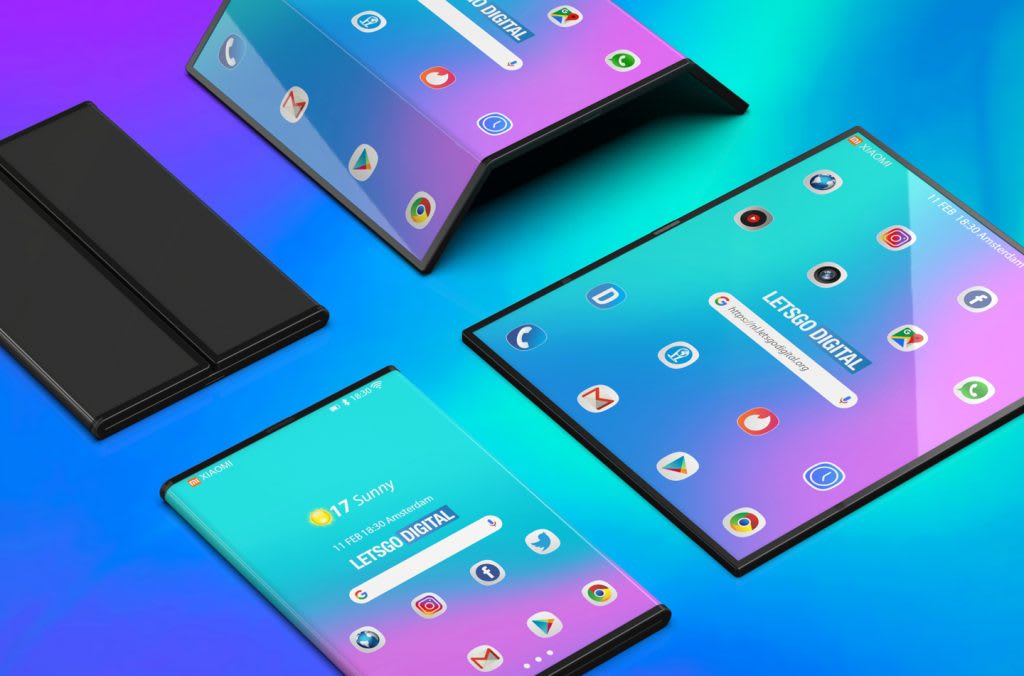
One such item—a large-format Xiaomi folding prototype that never reached production—explains a lot about how Xiaomi thinks, explores, and decides what the public eventually gets to buy.
The Foldable That Asked the Wrong Question
Most foldables are developed around a basic goal: How can we produce a folding phone that feels normal?
This prototype asks something else: What if the phone didn’t strive to feel normal at all?
Engineers apparently made it closer to a tablet than a phone. When unfolded, it was wide, practically square, preferring workspace over pocketability. Folded, it was thick and unapologetic.
This wasn’t supposed to win design awards. It was supposed to test limitations.
How much screen could individuals realistically use?
Where does multitasking actually become productive?
When does a foldable cease being a phone and start becoming something else?
The responses weren’t flattering—but they were useful.
A Hinge That Was Never Supposed to Be Elegant
Unlike commercial foldables that seek for smoothness and silence, this prototype’s hinge was visible, hefty, and mechanical. It wasn’t attractive, but it was tremendously informative.
Xiaomi engineers tested:
resistance across thousands of folds
pressure dispersion throughout the screen
failure points under unequal force
long-term creasing patterns
The hinge taught them what not to ship.
By the time Xiaomi produced later foldables, many of the refinements—tighter tolerances, smoother closure, better crease management—had already been learned the hard way through prototypes like this one.
A Screen That Was Too Honest
The display on this prototype wasn’t tuned to hide its faults.
Creases were noticeable.
Reflections were uneven.
Touch sensitivity varies across the fold line.
Instead of hiding these problems with software methods, Xiaomi left them exposed. Engineers needed to see the difficulties clearly to understand them.
This is something consumers rarely realize: many early foldable prototypes appear terrible on purpose. They are diagnostic instruments, not products.
Only after the difficulties are understood does refining begin.
Why This Foldable Never Reached Consumers
From a distance, the prototype seemed interesting. From the inside, it was unfit for release.
It was:
too thick
too heavy
too brittle for daily use
too expensive to manufacture
confusing for average users
Releasing it would have harmed trust.
Instead, Xiaomi viewed it as a reference point—a failed attempt that succeeded in teaching the firm where the boundaries really were.
The Ideas That Survived
Although the prototype itself was abandoned, elements of it survived on.
multifunctional layouts inspired subsequent MIUI features
hinge durability insights improved future designs
aspect ratio tests altered screen proportions
thermal learning molded internal cooling schemes
Foldable innovation rarely arrives fully. It arrives fragmented, filtered through technologies that never reach the public.
This prototype wasn’t a mistake. It was a foundation.
Why Xiaomi Keeps These Phones Hidden
Xiaomi doesn’t discuss internal prototypes because they aren’t meant to be comprehended by the public.
They’re messy.
They’re unfinished.
They counter marketing narratives.
But they’re also where true invention happens.
In a global market obsessed with perfection, China’s strategy permits companies like Xiaomi to fail secretly before winning publicly.
That independence is why Xiaomi’s foldables advance faster than they otherwise would.
The Foldable You’ll Never Hold—But Already Use
If you’ve ever used a Xiaomi foldable and thought, “This feels more mature than expected,” there’s a reason.
It’s because someplace, years earlier, a far worse device existed—one that taught engineers what maturity actually required.
That unseen lineage matters.
Your phone includes lessons learned from technologies you’ll never see.
Why Prototype Stories Matter
People generally rate phones just by what reaches stores. But the future is molded just as much by what doesn’t.
Internal foldable prototypes:
taking risks customers shouldn’t have to
fail in ways products can’t
address questions marketing never asks
They exist so finished phones can feel confident.
Final Thoughts
The Xiaomi folding prototype that never debuted wasn’t a squandered opportunity. It was a crucial step.
It showed Xiaomi where foldables break—physically, emotionally, and practically. And by breaking silently, it let future devices thrive loudly.
Most people will never know it exists.
That’s the point.
Because the most important phones aren’t always the ones you buy.
Sometimes, they’re the ones that were never meant to leave the lab at all.

About the Creator
abualyaanart
I write thoughtful, experience-driven stories about technology, digital life, and how modern tools quietly shape the way we think, work, and live.
I believe good technology should support life
Abualyaanart
Keep reading
More stories from abualyaanart and writers in Lifehack and other communities.
5 Simple Lifehacks to Keep Your Teeth Healthy Every Day
Healthy teeth aren’t just about occasional dental visits—they’re shaped by the little choices you make every day. Simple habits, when done consistently, can prevent cavities, gum issues, sensitivity, and other oral concerns while keeping your smile bright and comfortable. These lifehacks are easy to integrate into your routine and don’t require drastic lifestyle changes.
By Smile Sydney2 days ago in Lifehack


Comments
There are no comments for this story
Be the first to respond and start the conversation.