
Inflation in the U.S.: Why Prices Continue to Rise and What to Do About It?
Inflation

This article was written with the assistance of AI.
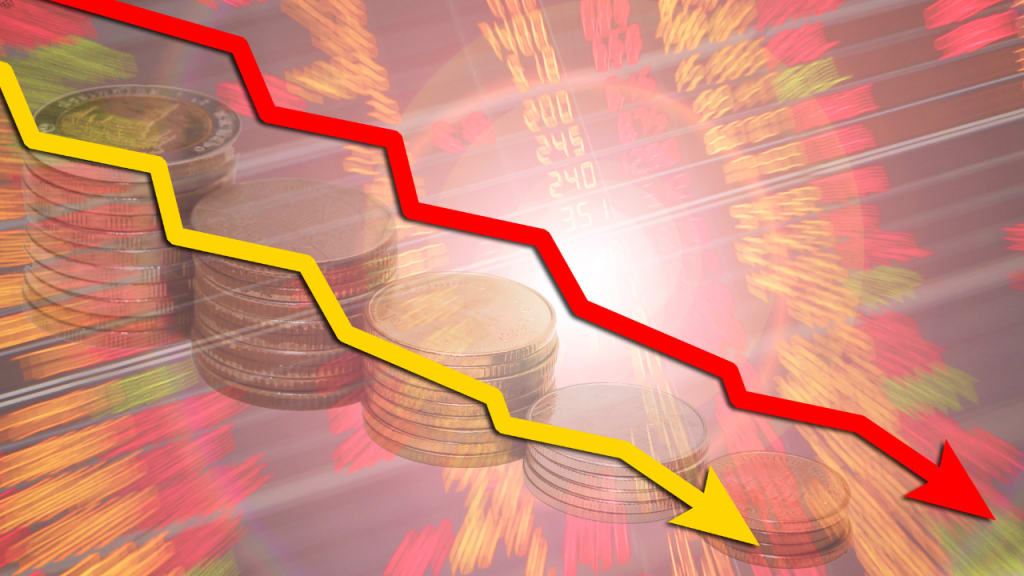
Inflation in the U.S. remains one of the most pressing economic concerns, with prices for essential goods and services continuing to climb. As of March 2025, the cost of living in the U.S. has increased significantly, putting pressure on consumers and families across the country. This article explores the reasons behind the rising inflation, its impact on the economy, and what steps can be taken to address these challenges.
1. Housing Prices and Rent Increases
The U.S. housing market remains highly inflated, with prices continuing to rise, especially in urban centers. The limited supply of available homes, coupled with high demand, has created an ongoing housing crisis. This has caused significant challenges for both potential homeowners and renters.
Why This Matters: As housing prices rise, more Americans are forced to allocate larger portions of their income toward housing costs, leaving less money for other necessities. Additionally, the increase in rent costs is putting considerable strain on renters, especially those with lower incomes.
Source: National Association of Realtors - Housing Market and Price Trends
2. Rising Food Costs
Food prices have been rising at an alarming rate due to a combination of supply chain disruptions, adverse weather conditions affecting crop yields, and rising fuel costs. The cost of essential goods like meat, dairy, and produce has been especially affected.
Why This Matters: Consumers are feeling the pinch as food prices continue to climb. Many families are adjusting their grocery budgets or even reducing the amount of food they buy. This increase in food prices significantly affects those already struggling with the rising cost of living.
Source: U.S. Bureau of Labor Statistics - Consumer Price Index Data
3. Supply Chain Disruptions
Despite efforts to recover from the COVID-19 pandemic, global supply chains remain under strain. Many industries, such as electronics, automobiles, and clothing, are facing challenges in obtaining raw materials and finished goods, leading to higher prices for consumers.
Why This Matters: The supply chain disruptions are causing delays and shortages in many goods, which drives up their prices. As a result, consumers are paying more for a variety of products, from tech gadgets to everyday household items.
Source: U.S. Chamber of Commerce - Supply Chain Disruptions and Their Impact
4. Energy Prices and Inflation
Energy prices, particularly for oil and natural gas, continue to fluctuate, and rising energy costs are contributing to the broader inflationary trend. Higher energy prices increase production and transportation costs for goods, leading to price hikes for consumers.
Why This Matters: When energy prices rise, the cost of goods and services across various industries increases. This puts additional pressure on American households as they face higher utility bills and transportation costs.
Source: U.S. Energy Information Administration - Energy Price Trends
5. Government Actions and Interest Rates
In an attempt to control inflation, the Federal Reserve has raised interest rates. While this is intended to slow down the economy by making borrowing more expensive, it also has an impact on consumers and businesses, particularly those relying on loans and credit.
Why This Matters: Higher interest rates make borrowing more expensive for both businesses and consumers, which could lead to decreased spending and investment. This may have a broader effect on the economy, slowing growth in the short term while aiming to reduce inflation.
Source: Federal Reserve - Interest Rates and Economic Policies
6. Wage Growth and Worker Productivity
While wages have been rising in certain sectors, they have not kept pace with inflation, leaving many workers with less purchasing power. Additionally, labor shortages in key industries have led to higher wages in some sectors, but these increases are not enough to offset the impact of inflation.
Why This Matters: As inflation outpaces wage growth, many workers are effectively earning less. This affects their ability to maintain their standard of living and increases the likelihood of further economic inequality.
Source:Bureau of Economic Analysis - Wage Growth and Inflation Reports
What Can Be Done?
Inflation continues to affect the U.S. economy in profound ways, making it harder for Americans to maintain their purchasing power. While addressing supply chain issues, controlling energy prices, and managing interest rates are key steps to reducing inflation, it is essential for policymakers to also focus on measures that support wage growth and help reduce the burden on families. The path to a stable economy requires a balanced approach that takes into account both short-term relief and long-term stability.
About the Creator
Shirley Lewis
I enjoy sharing inspiring stories, helpful tips, and practical advice on a variety of topics, from personal growth to navigating life's challenges.
Keep reading
More stories from Shirley Lewis and writers in Lifehack and other communities.
Taxes in 2025: How New Changes Will Impact Your Income
This article was written with the assistance of AI. As we enter 2025, changes to the U.S. tax system are creating significant concern and interest for many American taxpayers. From modifications in income tax rates to new deductions and credits, these changes have the potential to reshape the financial landscape for individuals and families. In this article, we’ll explore the key tax changes for 2025 and their likely impact on American taxpayers.
By Shirley Lewis10 months ago in Lifehack
The Hidden Traps in UK VAT That Cost Small Businesses Thousands
Every year, thousands of UK small businesses face unexpected tax bills, penalties, and sleepless nights over VAT mistakes they didn't even know they were making. The numbers tell a sobering story: HMRC issued over £800 million in VAT penalties in 2023 alone, with small businesses bearing a disproportionate share of that burden.
By Saifullah Awan 25 days ago in Lifehack


Comments
There are no comments for this story
Be the first to respond and start the conversation.