


Hydroponic gardening (gardening without soil), has been around since the time of King Solomon. The word hydroponics comes from the roots “hydro”, meaning water, and “ponos”, meaning labor, this method of gardening does not use soil.
There are a few advantages with hydroponic gardening over traditional gardening -for example the rate of growth of a hydroponic plant can be up to 50% faster than a soil plant grown under the same conditions. Plus a big benefit is that as you are not using soil your plants have far less insect problems.
Hydroponics can be a boon for people who suffer back problems as the plastic pipes can be set up waist high to elminate. Also as there are far less weeds hardly any in most systems that makes gardeing more enjoyable and productive for the home gardener.
And the yield of the plant is also greater! The reason for this is that the plants get their nutrition fed directly into their roots from nutrient rich water. Since this water is so high in nutrient content, the plant does not need large roots to search for nutrition. And since the plant expends less energy in growing roots it has more energy available to be productive above the rootline! Hydroponically grown vegetables are healthy, vigorous, and consistently reliable. This form of gardening is clean and extremely easy, and it requires very little effort.
Hydroponic gardening is also beneficial to the environment. For example hydroponic gardening uses considerably less water than soil gardening because of the constant reuse of the nutrient solutions. And also, fewer pesticides are necessary in hydroponic crops -they are not as necessary. And topsoil erosion is not even an issue since hydroponic gardening systems use no topsoil.
How exactly does a hydroponically grown plant get its nutrition -nutrition it normally gets from the soil? Well, these nutrients come in liquid or powdered mixes and can be purchased at a hydroponic supply store. And like soil, hydroponic systems can be fertilized with organic or chemical nutrients. But you should know that an organic hydroponic system can be considerably more work to maintain since the organic compounds have a tendency clump.
Hydroponic systems are normally categorized as passive or active. An active hydroponic system moves the nutrient solution with a pump. A passive hydroponic system relies on the capillary action of the growing medium or a wick.
In a passive system the nutrient rich solution is absorbed by the medium or the wick and passed along to the plant's roots. But a downside with this method is that they are usually too wet and do not supply enough oxygen to the root system for the best growth rates.
Hydroponic systems are also characterized as recovery or non-recovery. In recovery systems, the nutrient solution is re-circulated for reuse. In a non-recovery system however, the nutrient solution is not recovered.
You may be unsure of whether to buy or build a hydroponic system. If you have an 'engineering mind' and want to build one, consider buying one first just to get familiar with the inner workings. Buy a system which does not cost a lot of money. It will give you a better understanding of how hydroponics works and the hands-on experience can be worth the cost of the system as you will be able to reuse the parts when you decide to build one.
Hydroponics gardening is a popular and growing hobby and many are finding this to be fun, exciting Science Articles, and easy to get started.
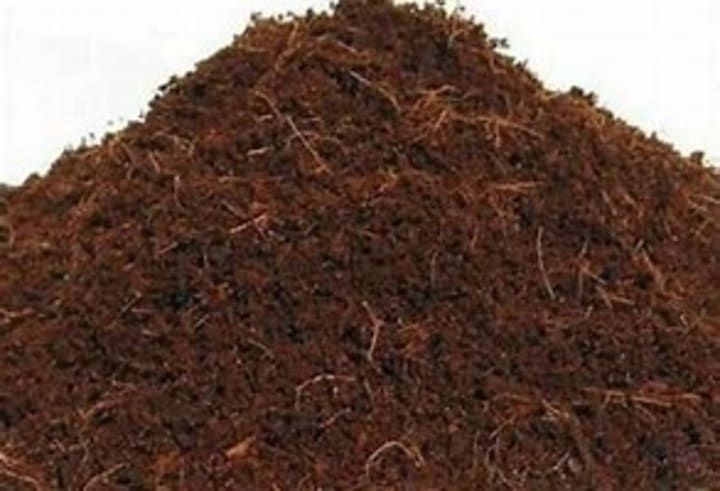
I use Coconut fibre Coconut fiber which is essentially a waste product of the coconut industry, it is the powdered husks of the coconut itself. There are many advantages – it maintains a larger oxygen capacity than rockwool, yet also has superior water holding ability than rockwool which is a real advantage for hydroponic systems that have intermittent watering cycles.
The secret to successful and productive hydroponic vegetable gardening year round is in finding the right well-balanced nutrient solution. The nutrient solution that you use to circulate around the roots of your plants will create for you a happy and healthy vegetable plant or it will kill it. The proper nutrient levels must be found and maintained. Here is a quick checklist of items that should be checked and maintained to create an environment conducive to a healthy thriving plant.
The pH level of the plant determines the type of nutrient solution they need. The plants that thrive on acid need a pH level below 7 while other plants will need a pH level above that.
Also, to maintain optimal absorption of the nutrient solution, it is necessary to make sure proper air circulation is occurring at the roots of the plant. A waterlogged plant will certainly not thrive!Pre-mixed nutrient solutions can be found from a variety of sources and can even be made by the home gardener. But if you are a beginner at hydroponic gardening you may want to opt for the pre-mixed nutrient solutions.
The basic ingredients for any hydroponic solution contains a proper mix of potassium phosphate, potassium nitrate, calcium nitrate and magnesium sulfate. These must be fully dissolved in the mixture before being circulated through the vegetable plants' root systems.
Micro-nutrients such as boric acid, manganese chloride, zinc sulfate, copper sulfate and iron sulfate are often used in the nutrient solution as well.
The nutrient solution can be used for a maximum of two weeks when plants are small. Once plants have matured the nutrient solution should be replaced every week.
Many hydroponic plants are grown in a greenhouse. The correct mixture of carbon dioxide in the air is necessary in order for these plants to thrive. This can be done a number of ways that includes: - burning hydrocarbon fuels - dry ice - decomposition of organic matter - compressed bottled carbon dioxideMaintaining a proper temperature is also very important for their survival. The ideal temperature for your plants is normally between 40 to 95 degrees Fahrenheit. The ideal temperature for a particular plant growing will vary however.
In addition, if it is too humid it may not be healthy for your plant. A very dry climate is not good for most plants either.
The amount of light your plants receive can cause your plant to thrive or it can doom your plant. Too much light will dry out your plants while too little light will be ineffective. Different plants will respond differently to light and many hydroponic gardeners will have to experiment with different light to attain the ideal environment for the plants' growth.
Some plants may be affected by air pollution while others are not. If this is an issue, you may want to grow plant species that are not bothered by air pollution,In summary, plants are affected by the following elements: pH balance, light, air, water, temperatureFind Article, and pollution. If you take all of these things into consideration in your particular hydroponic vegetable garden your plants will be sure to grow faster, taste much fresher and last about 33% or more longer the soil grown plants!
About the Creator
Keep reading
More stories from Happydazegt and writers in Lifehack and other communities.
Do You Believe in Tarot Card Readings
Seeking the Future Tarot cards have been popular instruments of fortune telling and they have been used by many people to know what is coming to their lives. If you haven’t experienced yet going for a Tarot reading, you are missing an experience that is fun, entertaining and religious as well. The Tarot reader is sometimes called a psychic. You’ll be surprised at what you’ll hear when the psychic explains to you what he or she understands from the reading. You wouldn’t believe that she can accurately tell you about yourself, your future and even your past life.
By Happydazegt5 years ago in Lifehack
No Word Comes Near Enough
The English language has its limits. I learned this when I became a student of the Bible and looked up the Greek and Hebrew definitions behind the Scriptures I loved. Some languages have so much more depth and power than the one I use to convey my thoughts. But, even so, I don't think any word could ever come close to describing this void and pain I am journeying through. I don't know how to swim through its murky waters.
By Shirley Belk5 days ago in Poets



Comments
There are no comments for this story
Be the first to respond and start the conversation.