
How to talk to people
Simple Tips to Build Real Connections

Some people find it easy to talk to others, while others find it extremely challenging. Learning how to talk to other people is a powerful skill to have, whether you want to make new friends, perform better at work, or simply feel more confident in social settings. The good news? With some simple strategies and practice, anyone can get better at it. In order to improve relationships in everyday life, you'll learn how to start, maintain, and make people feel heard in this guide. Why it's important to learn to talk to people Conversations in person can seem out of reach in a world filled with social media, emails, and text messages. However, human contact is essential.
Knowing how to talk to people can:
1. Improve your relationships
2. Boost your confidence
3. Assist you in achieving career success
4. Eliminate social anxiety
5. Enhance the enjoyment of everyday life.
Whether you're an introvert, shy, or just out of practice, small changes can make a big difference.
1. Make Eye Contact and Smile to Start The first impression counts.

A genuine smile and steady (but not intense) eye contact go a long way. They make you seem open, kind, and trustworthy. Since people frequently decide within seconds whether they want to continue speaking with someone, begin with warmth. Keep in mind that the majority of people are too preoccupied with themselves to notice your awkwardness if you're nervous.
2. Pose Unrestricted Questions Instead of asking yes/no questions
like, “Did you have a good day?”
ask open-ended ones like: "What did you enjoy most about your day?" "How did you get your job or your hobby?" "What do you enjoy doing for fun?"
People are free to express themselves and the conversation flows more naturally when open-ended questions are used.
3. Pay close attention (do not merely wait to talk) Active listening is one of the most powerful actions you can take.
This means saying things like "I see," "That makes sense," and so on. Repeating back something they said in your own words:
“So you’re saying that hiking helps you relax?”
Keeping your mouth shut and not returning the conversation to yourself too quickly People love being heard. When you truly listen, you make others feel valued—and that builds trust.
4. Discover Common Ground Look for people with similar values, experiences, or interests.
This might be similar tastes in movies and music shared experiences like traveling, school, or work A mutual friend or background
A safe place to start can come from something as simple as the weather, events in the area, or food. In order to find common ground with a new person, pay attention to what they are saying.
5. Genuine curiosity and kindness are required. People can tell when you're being fake. Be curious—not nosy—and kind—not overly flattering.
Try using words like: “That’s really interesting—tell me more.”
“I’ve never heard of that. What’s it like?”
"That seems like something you really care about. I love that.”
Conversations feel fun and safe when they are accompanied by curiosity and kindness.
6. Be aware of your body language. Communication isn’t just words. Your tone, gestures, and posture all convey a lot. No cross-arms, open posture Leaning in slightly shows interest.
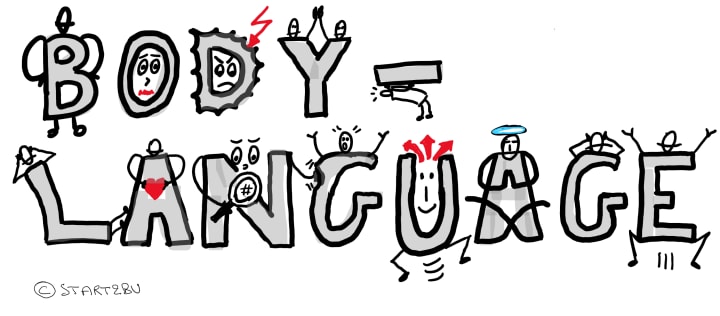
Nodding shows you're engaged.
Connection can be established by imitating the other person's tone and body language. Avoid looking at your phone while someone’s talking. It disrupts the flow and suggests lack of interest.
7. Practice Empathy
Empathy means trying to understand how someone else feels—even if you don’t agree.
If someone shares something personal, respond with compassion. Match their enthusiasm if they are excited. If they’re upset, show understanding, not solutions right away.
Not every time you need to use the right words. Sometimes a simple, “That sounds really hard,” or “I’m here if you need to talk,” is enough.
8. Know When to Step Down With Grace It's okay if a conversation doesn't last forever. If things feel awkward or the moment has passed, you can end kindly with phrases like:
“It was great talking with you—thanks for the chat!”
"I'm going to start, but I hope we talk again soon," she said. “Thanks for sharing that, I really enjoyed hearing your story.”
This keeps the door open for future conversations and leaves a good impression.
Final Thoughts: You can learn to talk to people. You are not alone if you have ever experienced social anxiety or been unsure of what to say. The truth is, even the best communicators had to start somewhere.
Practice in small ways—at the store, in line, or during short interactions. It gets easier the more you try. And remember: the goal isn’t to be perfect. It’s to be present, kind, and curious.



Comments
There are no comments for this story
Be the first to respond and start the conversation.