
How To Stop Over thinking And Finally Start Your YouTube Channel
You're overthinking YouTube. Most people are. You know you have messages to share with the world. You know you can communicate well. But something is stopping you. What?


How to stop overthinking and finally start your YouTube channel
You're overthinking YouTube. Most people are. You know you have messages to share with the world. You know you can communicate well. But something is stopping you. What?
YouTube is the second largest search engine in the world. Your videos become assets that work for you 24/7, reaching people while you sleep. Your YouTube channel has the potential to grow your business to whole new heights, as a powerful tool for education, awareness and personal branding. But you have to make videos.
Last week I started a 30-day challenge on YouTube, posting a video each day and staying scrappy. No systems, no processes, just talking to camera and learning from there. I've learned that getting started beats perfect planning. Here's how to replicate this approach in a way that works for you.
Stop the analysis paralysis and finally launch your channel. No more excuses.
The YouTube overthinking trap
Your brain convinces you that you need perfect lighting, a professional mic, and hours of free time to start. You believe your videos must be flawless from day one. Everyone else seems to have it figured out.
But this just means your brilliant ideas stay locked in your head. Your potential audience remains unreached. That feeling in your gut grows stronger: "I should be doing this."
The best content creators started with basic setups and imperfect videos. They improved through action, not endless planning. Your first videos won't be your best, and that's exactly how it should be.
Five steps to launch your channel this week
Just hit record
Legendary creators like Mr. Beast and Ali Abdaal started with simple videos and basic equipment. Their early content would embarrass them now. That's the point.
Set a timer for 10 minutes. Pick one idea from your notes. Stare into your phone camera and talk like you're explaining something to a smart friend who values your perspective. Cut out the stumbles in a basic editor. Upload with a simple thumbnail. Congratulations, you've started.
YouTube Just Changed What A ‘View’ Means — But Don’t Celebrate Just Yet

There’s been a lot of noise this week about YouTube Shorts “view count inflation.” But let’s be clear: this change is more about optics than impact.
YouTube’s new policy, effective March 31, shifts the definition of a view to match what already exists on TikTok and Instagram Reels — counting a view the moment a video starts playing or replays. Superficially, this makes creators look like they’re getting more views. But here’s the catch: the actual amount of time audiences are spending watching Shorts isn’t changing. It’s the definition that’s looser.
If this sounds familiar, it should. It’s straight out of the Facebook playbook.
Back in 2015-16, Facebook aggressively promoted video by showcasing eye-popping view counts — sometimes millions per video. But these were often just impressions, far removed from the meaningful 30-second views that YouTube required on long-form content. It inflated the sense of reach and engagement, misleading creators and advertisers alike. YouTube, ironically, is now adopting the same strategy — repackaged for Shorts.
So, What Exactly Changed?
Previously, YouTube counted a Shorts view only after a few seconds of watch time — not as long as the 30 seconds required for long-form videos, but still enough to filter out a meaningless scroll. Now, a view is counted the instant a video plays. If it loops (as Shorts often do), each new cycle counts again. This change brings YouTube into alignment with TikTok and Reels, which also count any autoplay as a view.
On paper, it means creators will suddenly see much higher view counts. But that’s not because they’ve cracked the algorithm or created better content — it’s because YouTube moved the goalposts.
Importantly, YouTube is preserving the original metric under a new name: “engaged views.” This is the stat that matters — not just for creators trying to build real audience relationships, but also for monetization. Revenue sharing and Partner Program eligibility will still be based on engaged views.
About the Creator
ELIA MWAPINGA
I'm ELIA MWAPINGA, a passionate blogger & marketer with a unique approach to creating valuable content.
Keep reading
More stories from ELIA MWAPINGA and writers in Lifehack and other communities.
10 Legit Ways to Make Money Online for Beginners
In today’s digital age, the internet provides endless opportunities to make money online for beginners. If you’re a beginner looking to make money online you have come to the right place. In this comprehensive guide, we will explore various methods and opportunities for beginners to start earning income on the internet. Whether you have limited experience or no prior knowledge, these strategies can help you pave the way to financial success.
By ELIA MWAPINGA12 months ago in Lifehack
Building Influence in a Remote Team
In traditional office environments, influence often developed naturally through proximity. People who spoke confidently in meetings, participated in hallway discussions, or regularly interacted with leadership often gained recognition and influence simply because they were visible.
By Bahati Mulishi5 days ago in Lifehack
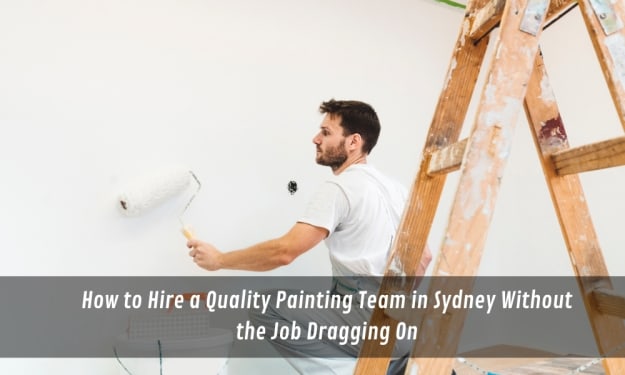
How to Hire a Quality Painting Team in Sydney Without the Job Dragging On
A repaint is meant to be a tidy upgrade: cleaner lines, brighter rooms, a place that feels looked-after again. Yet plenty of paint projects in Sydney turn into a slow-motion inconvenience—rooms half usable, dates sliding, and that lingering sense the finish isn’t quite right.
By Evelyn Heard7 days ago in Lifehack



Comments (1)
I love how you emphasised that getting started is more important than perfection. I actually just created my first YouTube Short recently, and I’m excited to keep going.