
How to Save $1,000 in 30 Days
Smart Strategies to Boost Your Savings Fast

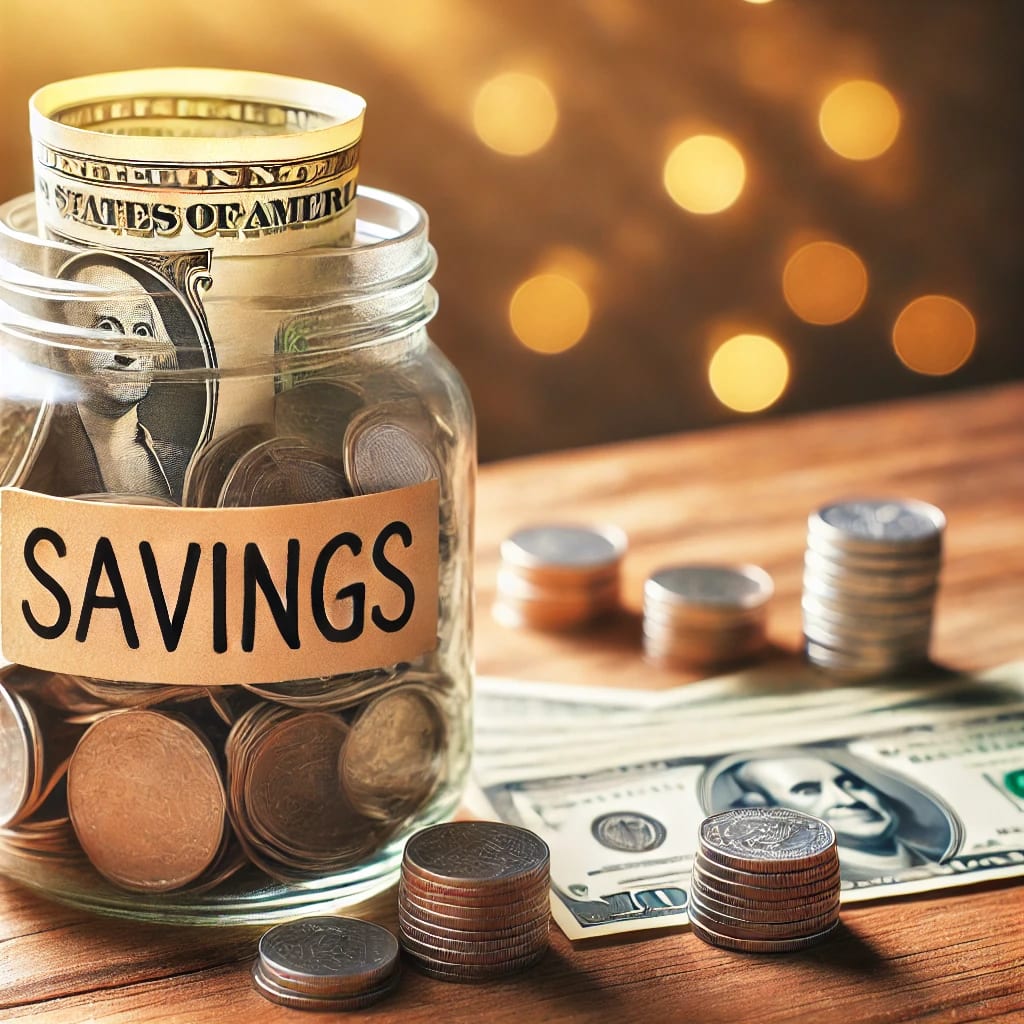
Saving $1,000 in just 30 days might sound like a challenge, but with the right plan, discipline, and a few lifestyle adjustments, it's completely achievable. Whether you're building an emergency fund, paying off debt, or just want to prove to yourself that you can do it, here’s a step-by-step guide to help you hit your savings goal quickly.
Step 1: Set a Clear Savings Goal
Before you start, determine why you need the $1,000. Having a clear purpose will keep you motivated. Write down your goal and put it somewhere visible, like your fridge or phone wallpaper, as a daily reminder. Visualization techniques, such as imagining the benefits of reaching your goal, can also help keep you committed.
Step 2: Break It Down Into Daily or Weekly Targets
$1,000 in 30 days breaks down to about $33 per day or $250 per week. Knowing these numbers makes the goal feel more manageable and helps you track your progress. Consider using a savings tracker or calendar to mark off each successful day.
Step 3: Cut Unnecessary Expenses
One of the fastest ways to save money is by cutting out non-essential spending. Here are some areas where you can trim costs:
Dining Out & Takeout: Cook at home instead of eating out. Even skipping one $10 meal per day saves $300 in a month. Meal prepping can also help reduce impulse food purchases and save even more.
Subscriptions & Memberships: Pause or cancel streaming services, gym memberships, or other recurring expenses. Opt for free alternatives like public libraries or free workout apps.
Impulse Shopping: Avoid unnecessary purchases by sticking to a shopping list and waiting 24 hours before buying anything unplanned. Unsubscribe from marketing emails to reduce temptation.
Coffee & Snacks: Make coffee at home instead of buying from coffee shops. A $5 coffee per day equals $150 per month! Additionally, packing snacks for work or outings can prevent costly convenience store purchases.
Step 4: Find Ways to Boost Your Income
If cutting expenses isn’t enough, increasing your income will help you reach your goal faster. Here are some quick ways to earn extra cash:
Freelance Work: Offer services on platforms like Fiverr or Upwork. Writing, graphic design, virtual assistance, and tutoring are all great options.
Sell Unused Items: Declutter your home and sell things you no longer need on Facebook Marketplace, eBay, or Craigslist. Old electronics, clothes, and furniture can bring in quick cash.
Side Gigs: Drive for Uber, deliver food, or do small tasks on gig apps like TaskRabbit. If you have a hobby, consider monetizing it through Etsy or Redbubble.
Rent Out Extra Space: If you have a spare room, list it on Airbnb. Alternatively, rent out tools, equipment, or even parking spaces for additional income.
Step 5: Automate Your Savings
Make saving effortless by setting up automatic transfers to a separate savings account. You can:
Set up a daily or weekly transfer that aligns with your savings goal.
Use round-up apps like Acorns or Chime that save spare change from purchases.
Open a high-yield savings account to earn interest on your savings.
Step 6: Use the No-Spend Challenge
For 30 days, challenge yourself to spend only on essentials. Cut out shopping, dining out, and entertainment. Put all the money you’d normally spend into your savings. To make it fun, track your progress and reward yourself with a non-monetary treat when you succeed.
Step 7: Reduce Monthly Bills
Lower your recurring expenses by:
Negotiating lower rates for phone, internet, and insurance. Many companies offer discounts if you ask.
Using energy-efficient practices to reduce utility bills, such as unplugging electronics and switching to LED bulbs.
Refinancing loans for lower interest rates if possible.
Step 8: Track Your Progress
Keep a savings journal or use budgeting apps like Mint or YNAB. Seeing your savings grow will keep you motivated. Regularly reviewing your progress can help you adjust your strategy if needed.
Step 9: Get Support and Stay Motivated
Tell friends or family about your goal and ask for their support. Joining an online savings challenge or community can help keep you accountable. Engaging in friendly competition can make saving more enjoyable.
Conclusion: Small Changes, Big Results
Saving $1,000 in 30 days is all about making small but impactful changes to your spending and earning habits. With a combination of reducing expenses, increasing income, and staying disciplined, you’ll be amazed at how quickly you can reach your goal. Challenge yourself, and at the end of the 30 days, celebrate your success—without breaking the bank! Even after reaching your goal, continue applying these strategies to build a stronger financial future.
About the Creator
Gift Abotsi
From diving into the psyche to unraveling the secrets of longevity, and crafting everything from spine-chilling horror to mind-bending fiction—I write it all! Stay tuned for more twists, turns, and stories you won’t want to miss!
Keep reading
More stories from Gift Abotsi and writers in Lifehack and other communities.
Nighttime Habits of High Achievers and How to Adapt Them
Success isn’t just about what you do during the day—it’s also about how you end your day. High achievers understand that a productive morning starts with a well-planned night. Their nighttime routines help them recharge, reflect, and set the stage for a successful tomorrow. If you want to elevate your performance, here are the top nighttime habits of high achievers and how you can incorporate them into your own life.
By Gift Abotsi 11 months ago in Lifehack
Company Setup in Dubai: Complete 2026 Guide for Entrepreneurs
Starting a business in Dubai has become one of the most attractive opportunities for global investors. With zero personal income tax, world-class infrastructure, and access to international markets, company setup in Dubai offers strong potential for growth.
By Adnan Sheikh5 days ago in Lifehack
When the Role No Longer Fits
In the late fall of last year, Clair stood up from her desk in an office that looked out across the Hudson. She had worked in this role for several years. On paper, the job made sense. It offered stability, credibility, and a clear career path. As the light began to fade, the Statue of Liberty stood beyond the glass, pale against the darkening sky. Tugboats moved steadily along the river and larger yachts passed without hurry, carrying people who were not thinking about offices or job titles. Near the edges, the water darkened where the tide turned.
By Jane Horan6 days ago in Lifehack




Comments
There are no comments for this story
Be the first to respond and start the conversation.