
How to Prepare Your HVAC for Winter!
HVAC contractor
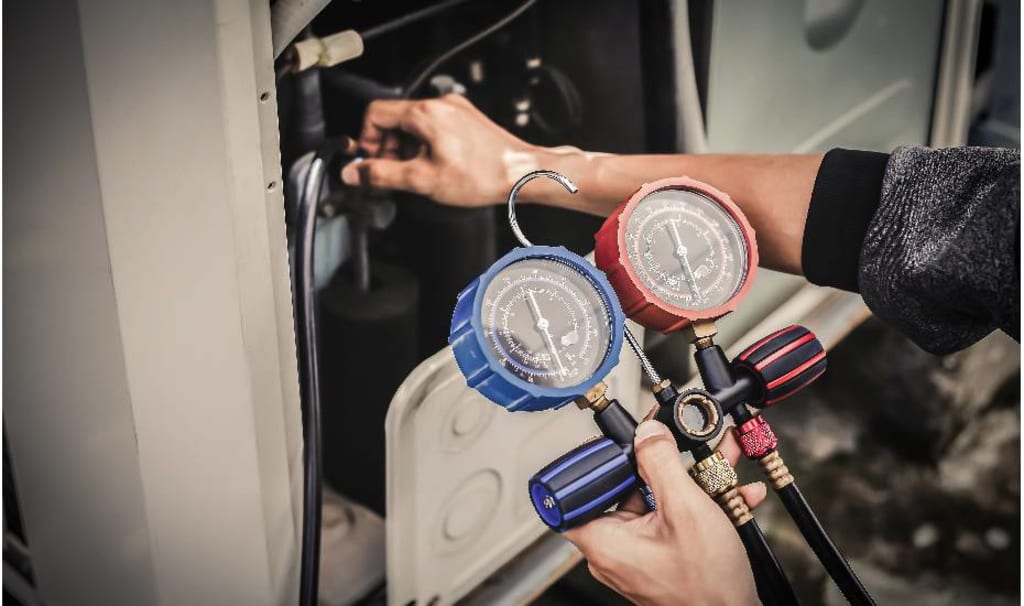
As winter approaches, it's essential to ensure your HVAC system is ready to keep your home warm and comfortable. A well-maintained HVAC system not only improves efficiency but also helps avoid costly emergency HVAC services when you least expect it. Below are detailed steps to prepare your HVAC for winter, ensuring that it operates smoothly and effectively throughout the colder months.
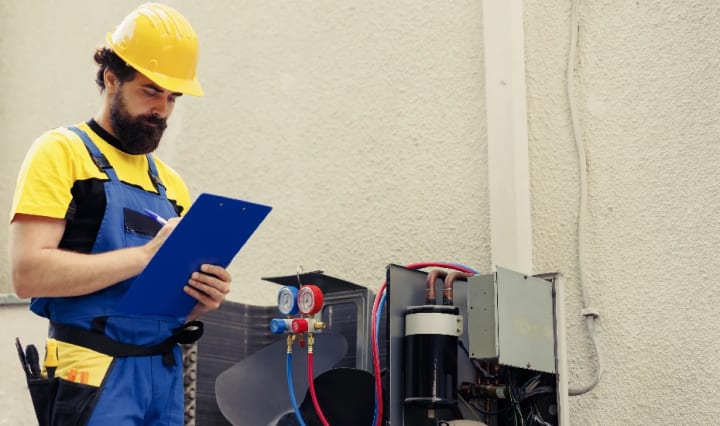
1. Schedule a Professional Inspection
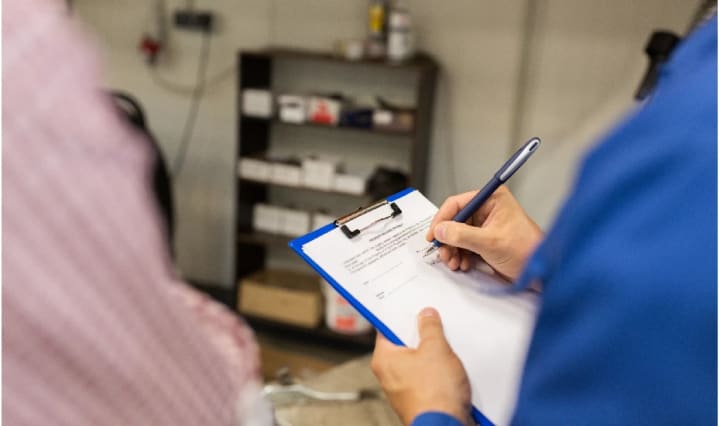
The first step in winter preparation is to schedule an inspection with a reliable HVAC contractor. If you're in Pennsylvania, finding a knowledgeable HVAC contractor Pennsylvania is crucial. A professional will check your entire system, including the furnace, heat pump, and ductwork. They can identify any issues that may need attention before the winter rush, such as worn-out components, pilot light problems, or gas leaks. Regular inspections can prolong the life of your system and help you avoid costly repairs later on.
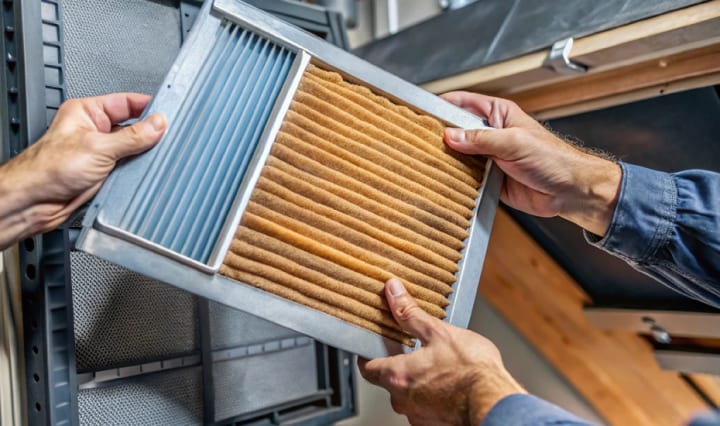
2. Change the Air Filter
One of the simplest yet most effective maintenance tasks is changing your air filter. A clogged or dirty filter restricts airflow, making your HVAC system work harder, which can lead to increased energy bills and potential breakdowns. It’s recommended to check your air filter monthly, especially during peak usage months, and replace it every one to three months. Investing in high-efficiency filters can also improve indoor air quality and enhance system performance.
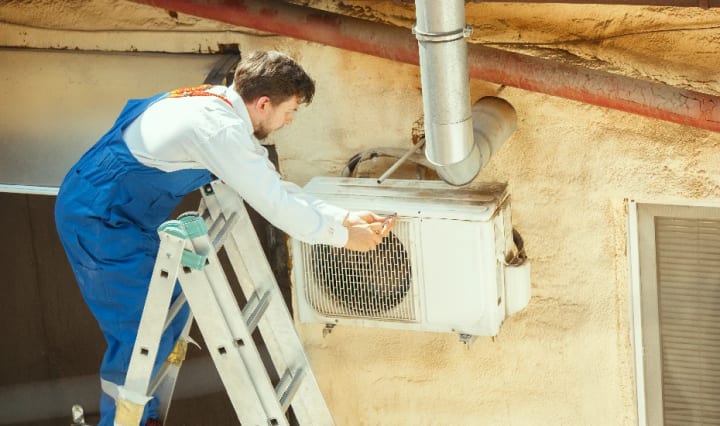
3. Clean the Outdoor Unit
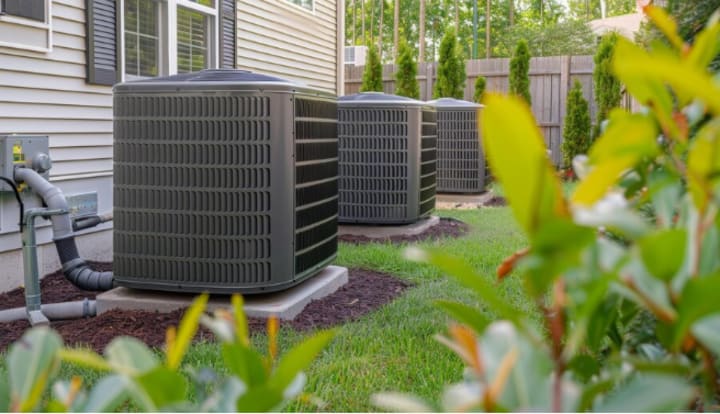
If you have a central HVAC system, it’s vital to ensure that the outdoor unit is clean and free of debris. Leaves, dirt, and snow can obstruct airflow, forcing the system to work harder than necessary. Clear away any obstructions and consider trimming nearby shrubs or plants to ensure adequate airflow. If you live in an area with heavy snowfall, covering the outdoor unit with a protective tarp during winter can prevent damage from the elements.
4. Seal Ducts and Insulate
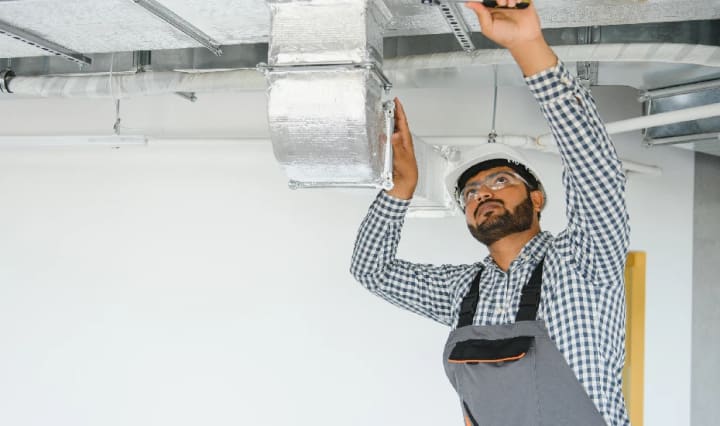
Inspect your ductwork for any visible leaks or gaps. Sealing these ducts can improve your system's efficiency by ensuring that warm air is delivered where it’s needed most. Use mastic sealant or specialized duct tape for this task. Additionally, proper insulation in your home is crucial to prevent heat loss. Check areas like attics, basements, and crawl spaces for insulation gaps and add more as needed to keep the warm air inside.
5. Test Your Heating System
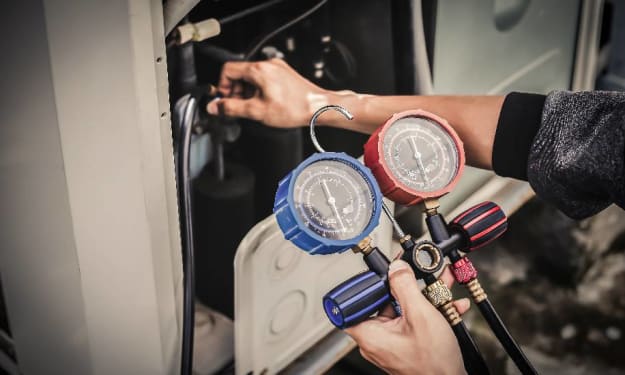
Before the cold weather hits, turn on your heating system to test its functionality. This early check can help you identify any issues that may need to be addressed. Listen for unusual sounds, check the thermostat for accuracy, and monitor the airflow from vents. If you notice anything out of the ordinary, reach out to your HVAC contractor for a closer inspection. Early detection of problems can save you from more significant issues later on.
6. Check Carbon Monoxide Detectors
As your heating system kicks into gear, it’s vital to ensure that your carbon monoxide detectors are functioning properly. Since furnaces can produce carbon monoxide—a colorless, odorless gas—regular checks are crucial for safety. Replace the batteries in your detectors and consider installing new units if they are more than five years old. Safety should always be a priority during the heating season.
7. Consider a Maintenance Plan
Many HVAC contractors offer comprehensive maintenance plans that provide regular check-ups and tune-ups throughout the year. Enrolling in a maintenance program can be a cost-effective way to keep your system in peak condition. These plans often include priority service and discounts on repairs, which can be invaluable during the winter months when emergency HVAC services may be in high demand.
Conclusion
Preparing your HVAC system for winter is not just about comfort; it’s about ensuring safety and efficiency. By following these steps and partnering with an experienced HVAC contractor, you can mitigate the risk of breakdowns and enjoy a warm, cozy home throughout the season. Don't wait until the first snowfall—start your winter preparation today to ensure that your HVAC system is ready for whatever winter has in store!
About the Creator
Keep reading
More stories from David Daneil and writers in Lifehack and other communities.
How to Prepare Your HVAC for Winter!
As winter approaches, it's essential to ensure your HVAC system is ready to keep your home warm and comfortable. A well-maintained HVAC system not only improves efficiency but also helps avoid costly emergency HVAC services when you least expect it. Below are detailed steps to prepare your HVAC for winter, ensuring that it operates smoothly and effectively throughout the colder months.
By David Daneilabout a year ago in Lifehack
Top 5 Best Dreo Humidifier Reviews: Which One is Better?
Dry air packs a wallop and can ruin sleep quickly. If you need the best dreo humidifier, I will refer to Dreo smart models with a humidistat, top-fill tank, and quiet sleep mode. In a word, I look for constant humidity and less daily effort. I reach the determination from spec checks, fresh U.S. buyer trends and pattern review of top complaints, which means you can pick one without confusion.
By Mohammed mamun4 days ago in Lifehack
Planning a Move in Northern Virginia: The Details That Shape the Entire Experience
Moving in Northern Virginia often appears straightforward at first glance. Many residents assume that relocating within the region is simply a matter of packing belongings and changing addresses. However, the reality is more complex. The area’s density, infrastructure, and pace of life mean that overlooked details can quickly transform a routine move into a stressful experience. Understanding these factors in advance helps residents approach relocation with clarity and confidence.
By House Doctor4 days ago in Lifehack


Comments
There are no comments for this story
Be the first to respond and start the conversation.