
How to Prepare for Buying Your Dream Home
Don't keep telling yourself living in your dream home will never be possible. Because it is!

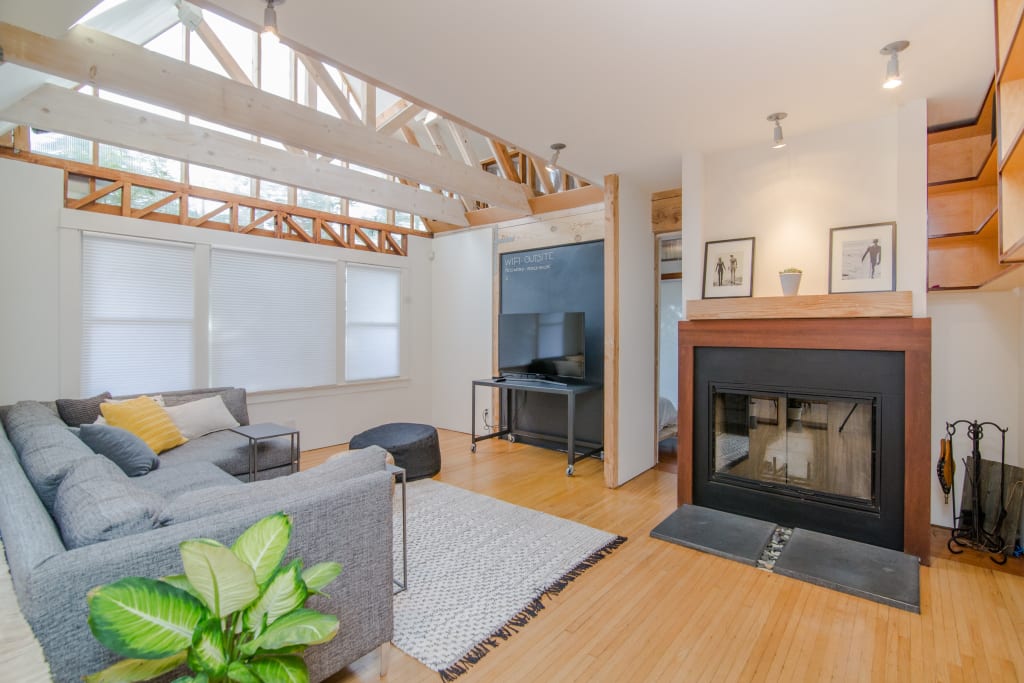
Buying a house is a big step in your adult life, and it might feel overwhelming when you're ready to move beyond looking at pictures online. If you take the time to do your research and save your money, though, it doesn't have to be daunting at all. There are lots of considerations to keep in mind when buying a home, such as its location, condition, resale value, and, of course, aesthetic appeal. Not every house is perfect, but finding one that checks most of your boxes is the best way to ensure you'll love it for years to come.
First Things First
Before you start touring homes, you want to make sure you've done the necessary financial planning to be in a good position to buy. You also want to make sure you employ a realtor to help you in your search. It can be easy to go online and search homes in neighborhoods you think you'd like, but a realtor knows niche areas of the city and can help you negotiate within your price point. Typically, it's a good idea to use a realtor associated with a company because certain protections and advantages come with a connected professional. They can also help you when it comes to signing final paperwork. Yes, buying a home involves signing a contract. There's a lot of paperwork to sign and negotiations to be made, so remember to keep a realistic timeline of when you can move in. It'll be tempting to want to set up the same day you pay, but this isn't realistic because there's more to the process. Finally, don't be afraid to think ahead. Buying a house is a long-term commitment, so you probably plan to live there for at least the next ten years. For this reason, it's better to buy a house you can grow into rather than one that fits you now. If you plan on starting a family, look at houses with extra bedrooms and a backyard. If you want to start social clubs or a business from your home, look for extra spaces to fit people away from your living space.
Financial Considerations
There are lots of things to consider when it comes to the money for your new home. Credit scores, mortgage types, interest rates, and down payments are all major financial decisions. The first step to determining where you stand with all these factors is deciding what you can afford. It's easy to see big purchases as investments—which they are—but this is an investment in the place you'll live, so you want to ensure you're happy with it. Stretching your budget to purchase something high end in the hopes it might pay out in the long run will only cause undue stress while you live there. A good rule of thumb is to dedicate no more than 30 percent of your monthly income to your house note. This will leave plenty of funds to pay bills, buy groceries, fix your car, and whatever else might pop up during the month. Once you figure out this number, your realtor can determine what price points your budget will be comfortable in and start to show you houses to match your tastes.
Credit Score
Before you can apply for a mortgage or put a down payment on a house, you have to have sufficient credit. This is what banks and mortgage companies will use as reassurance that you're capable of paying back your loan in the defined term. Contrary to popular beliefs, no credit can be just as troublesome as bad credit. A credit score shows you've taken on debt and paid it back or in the process of paying it back. This shows you're a reliable payor. Bad credit shows you've missed payments or defaulted on loans before, which can throw up red flags for lenders. No credit, however, means you have no reputation for how you handle debt. In the eyes of the bank, this is just as risky as someone with bad credit because they can't ensure they'll be paid back. This is why it's important to focus on raising your credit score before you buy a home, so it's easier to secure a mortgage.
Down Payment
Of course, the entire sum won't be a loan from the bank. To buy a house you'll need to make a down payment to show good faith that you can afford the home. The amount can be negotiated, but a standard down payment is typically 20 percent of the sale price, but the minimum is 3.5 percent. When people say they're saving for a home, they usually mean saving up for a down payment. For example, if you wanted to purchase a $200,000 house, you would need at least $7,000 in the bank to use as a down payment.
Mortgage
Perhaps the biggest consideration of paying for a house is the mortgage. This is the loan you receive from your bank or a mortgage company that pays for the house, then you repay over time, typically 20-30 years. The best thing you can do when shopping for a home is to get pre-approved for a mortgage in your price range. This shows sellers you're a serious candidate and will also speed up the closing process when you decide to buy. There are a variety of types of mortgages, but the two most common are fixed rate and variable rates. The first is exactly what it sounds like; it has a fixed interest rate for the life of the loan, which is usually higher the longer the term. The second is also self-explanatory; interest rates will fluctuate with the market, so you might save money one month, but could be paying large sums the next. Most people go with a 30-year fixed mortgage, but there are other options if you're interested. It's not a one-size-fits-all industry. Most banks also include a mortgage calculator on their websites so you can see what you can afford based on your income, savings, and how much you'd be willing to pay on a house note.
Interest Rate
Finding a good interest rate is the key to securing an affordable mortgage. The key to finding the best rate is to shop around with companies and banks. It's good practice to check with your personal bank first, but keep in mind they might not have the best option for you. Check with other banks and companies or use online resources to compare multiple options at once. You'll pay thousands of dollars in interest during the life of your loan, so putting in some extra effort on the front end to keep that number as low as possible can only benefit you in the long run.
Buying a home is a big decision with lots of factors at play. However, if you take the time to plan it right, the process can go smoothly without you emptying your savings. Be sure to determine what you can afford, work to improve your credit score, save up for a down payment, and find an acceptable mortgage with low interest rates. If you can do this, you'll be moving into your dream home in no time!
About the Creator
Keep reading
More stories from Craig Middleton and writers in Lifehack and other communities.
6 Keys to Finding the Right Custom Pool for You
Summer is drawing to an end, and soon, your property may be covered with snow and ice. If you’re considering installing a custom pool in your yard, you have little time to waste. Fall weather is the optimal season for pool work. The summer heat and the winter’s frost will not impede a quick and professional installation, and you may be able to enjoy a few weeks in your pool before the weather becomes frigid. Before beginning construction, you should spend a few days researching and planning how your pool design will work on your property. The following sections examine the key factors in planning and executing a successful pool installation.
By Craig Middleton5 years ago in Lifehack
Why Engagement Matters More Than Reach
Reach looks impressive on a dashboard. A post appears on thousands of screens and the number feels like progress. Many creators celebrate that spike, especially when they are building Instagram side income. Yet income rarely follows reach alone. What actually drives earnings on small niche accounts is engagement.
By Nina Rafferty6 days ago in Lifehack



Comments
There are no comments for this story
Be the first to respond and start the conversation.