
How to Paint Kitchen Cabinets Like a Pro
Learn how to paint kitchen cabinets step-by-step with our easy DIY guide.


Thinking about giving your kitchen a fresh new look without spending thousands on a full renovation? Learning how to paint kitchen cabinets is one of the most budget-friendly and satisfying DIY projects you can take on. With a little effort, the right tools, and this step-by-step guide, you can completely transform the heart of your home—even if you’ve never picked up a paintbrush before.
Whether your kitchen features quartz worktops, granite worktops, or marble worktops, a new cabinet colour can beautifully complement your surfaces and refresh the entire space.
Let’s dive into the full guide so you can get started today!
Why Paint Kitchen Cabinets?
Replacing cabinets is expensive. Painting them, on the other hand, is affordable and can make a huge impact. Here are a few reasons why painting cabinets is a smart move:
Cost-effective makeover
Customizable to your taste
Improves resale value
Pairs well with all types of kitchen worktops
Tools and Materials You’ll Need
Before you start, gather the following items:
Tools:
Screwdriver or drill
Sandpaper (120- and 220-grit)
Painter’s tape
Drop cloths or plastic sheeting
Paintbrushes (angled brush for corners)
Foam roller
Cleaning cloths
Materials:
Degreaser or cabinet cleaner
Wood filler (if needed)
Primer (preferably stain-blocking)
Cabinet paint (acrylic or alkyd-based for durability)
Step 1: Plan Your Project
Before you touch a brush, make a plan. Choose a colour that complements your countertops. For instance:
Quartz worktops often look sleek with bold colours like navy blue or charcoal grey.
Granite worktops have natural patterns—neutral tones like cream or sage green work well.
Marble worktops are elegant and timeless—pair with classic white or soft greys.
Step 2: Clear and Prep the Space
Clear your kitchen countertops and floors. Protect kitchen worktops (whether they’re quartz, granite, or marble) with drop cloths or plastic sheets. Remove all cabinet doors, drawers, and hardware. Label each one for easy reassembly.
Step 3: Clean the Cabinets Thoroughly
Use a degreaser to clean all surfaces. Cabinets tend to collect grease, especially near cooking areas, and paint won’t stick to dirty surfaces.
Pro Tip: Even if they “look clean,” always degrease. Skipping this step can cause your paint to peel later.
Step 4: Sand the Surfaces
Lightly sand all cabinet surfaces with 120-grit sandpaper to remove the existing finish and roughen the surface for better paint adhesion.
If your cabinets are glossy, this step is essential.
After sanding, wipe down the surfaces with a damp cloth to remove dust.
Step 5: Fill Imperfections
If you have any dents, scratches, or holes from old hardware, use wood filler to smooth them out. Once dry, sand the filled areas again with 220-grit sandpaper.
Step 6: Prime the Cabinets
Apply a high-quality primer with a brush and foam roller. The primer helps the paint stick better and prevents stains or wood knots from bleeding through.
Let the primer dry completely (check the label for drying times).
Step 7: Apply the Paint
Choose a durable cabinet paint—satin, semi-gloss, or gloss finishes are best for kitchens due to their washability.
Apply the paint in thin, even coats, using your brush for corners and a foam roller for flat surfaces. Don’t rush—multiple thin coats are better than one thick coat.
Let each coat dry fully before adding another.
Pro Tip: Two coats are usually sufficient, but dark colours or dramatic colour changes may need a third.
Step 8: Reassemble and Reinstall
Once everything is dry, reattach the doors, drawers, and hardware. Consider updating your knobs or handles for an added modern touch.
Step 9: Clean Up and Enjoy!
Remove all drop cloths and painter’s tape. Wipe down your kitchen worktops to get rid of dust and any paint splatter.
Step back and admire your fresh, stylish kitchen!
Styling Tips: Matching Paint with Worktops
Painting cabinets isn’t just about the colour—it’s about creating harmony in your kitchen. Here’s how to match your freshly painted cabinets with your kitchen worktops:
Quartz Worktops
These are sleek and modern. Pair them with bold cabinet colours like:
Matte black
Deep navy
Emerald green
Granite Worktops
Often full of natural movement and colour. Complement with:
Warm neutrals (taupe, beige)
Earthy greens
Classic white
Marble Worktops
Elegant and clean. Try:
Light grey
Pure white
Soft blues
Common Mistakes to Avoid
Even the best intentions can go wrong. Watch out for these common pitfalls:
Skipping prep work – Cleaning and sanding are non-negotiable.
Not labelling cabinet doors – Makes reassembly a nightmare.
Painting in a dusty environment can lead to bumpy finishes.
Using the wrong paint – Cheap or incorrect paint will peel or chip.
How Long Does the Whole Project Take?
Here’s a rough timeline:
Day 1: Remove doors, clean, and sand.
Day 2: Prime and let dry.
Day 3–4: Apply paint coats (with drying time).
Day 5: Reinstall everything.
That means in 5 days or less, you can have a kitchen that looks brand new!
Is It Worth Painting Old Cabinets?
Absolutely. If your cabinets are structurally sound, a fresh coat of paint is one of the best return-on-investment (ROI) projects you can do. It also allows you to experiment with colours, match your existing kitchen worktops, and completely change your kitchen’s vibe—without changing the layout.
Conclusion
Learning how to paint kitchen cabinets is a game-changer for any homeowner. With just a few days of work, you can transform outdated cabinets into a modern showpiece that beautifully complements your quartz, granite, or marble worktops.
Remember, the key to success is in the prep—clean, sand, and prime well—and don’t rush the process. A little patience goes a long way toward professional-looking results.
About the Creator
Harley Morris
Storyteller & digital creator sharing tips on kitchen design, SEO, and small business growth. Writing with purpose, powered by Imperial Worktops. Follow for real ideas that work. listen my podcast on podbean.
Keep reading
More stories from Harley Morris and writers in Lifehack and other communities.
The Best Paint for Kitchen Worktops
When it comes to revamping your kitchen without spending a fortune, paint for kitchen worktops has become a surprisingly powerful tool. Whether you're tired of outdated laminate, dull granite, or just want to bring new life into your culinary space, the right paint can work wonders. But with so many options on the market, how do you know which is the best paint for your kitchen worktops?
By Harley Morris7 months ago in Lifehack
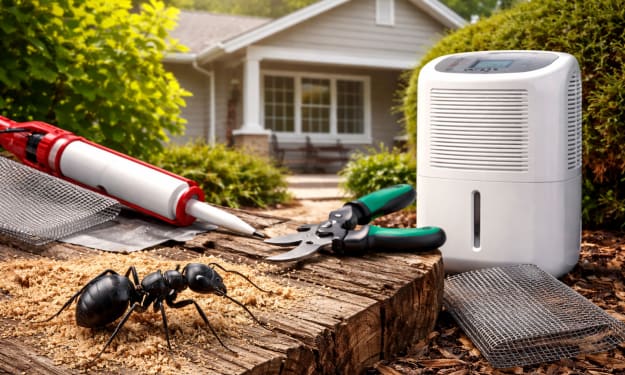
How to Prevent Carpenter Ants from Invading Your Home
Carpenter ants might not carry diseases like some pests, but they can still cause serious trouble if they make themselves comfortable in your home. Unlike termites, carpenter ants don't eat wood, but they do chew through it to create tunnels and nests. Over time, this can weaken the structural integrity of your home, leading to costly repairs.
By Whitney Collins7 days ago in Lifehack



Comments
There are no comments for this story
Be the first to respond and start the conversation.