
How to Make Organic Soap Bars at Home
A Beginner-Friendly Guide
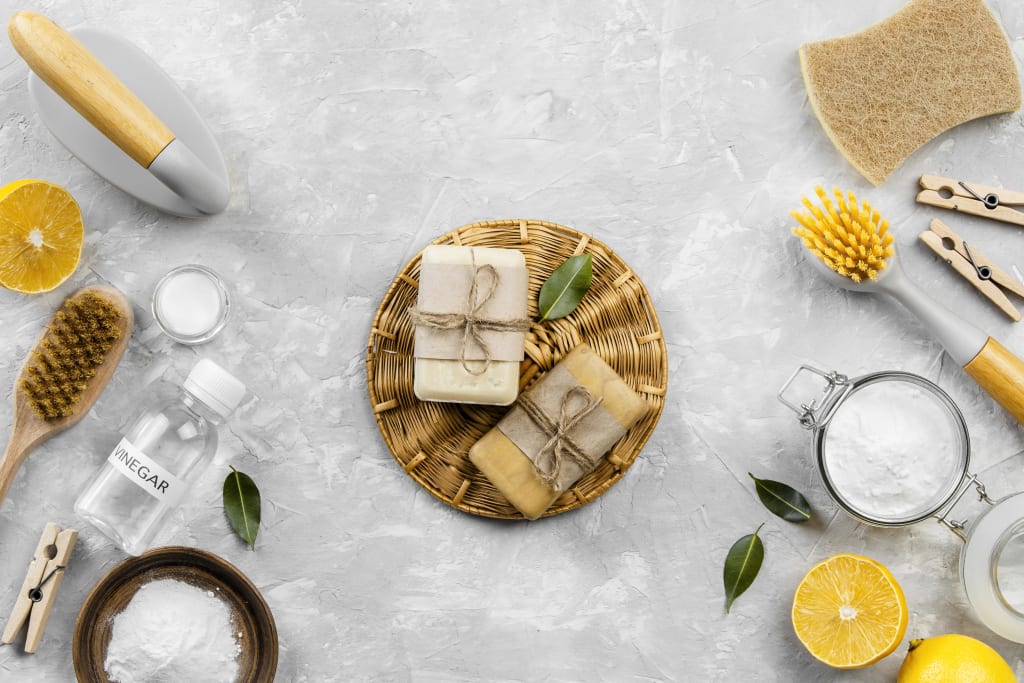
Making your own organic soap bars at home is not only a fun DIY project, but it’s also a great way to control what goes on your skin. Many people start this journey after noticing how commercial soaps, often attractively packed in soap boxes, contain harsh chemicals that can dry out or irritate the skin. When you make soap at home, you choose natural, skin-loving ingredients that are safe for you and your family.
Let’s walk through a simple and practical way to make organic soap bars, even if you’re a complete beginner.
Why Choose Organic Soap?
Organic soaps are free from synthetic fragrances, parabens, and artificial colors. They are gentle, moisturizing, and suitable for sensitive skin. Another bonus? Homemade soap is eco-friendly and customizable, you can adjust ingredients according to your skin type and personal preferences.
Whether you want soap for daily use or as a thoughtful handmade gift, organic soap bars are a great option.
Ingredients You’ll Need
Before you start, gather all your ingredients and tools. Preparation makes the process smooth and stress-free.
- Basic Ingredients:
- Olive oil
- Coconut oil
- Castor oil
- Lye (sodium hydroxide)
- Distilled water
- Essential oils (lavender, tea tree, lemon, etc.)
- Optional Add-ins:
- Dried herbs or flowers
- Oatmeal or coffee grounds (for exfoliation)
- Natural colorants like turmeric or cocoa powder
- Safety Comes First
Lye is a necessary ingredient for soap-making, but it must be handled carefully.
- Always wear gloves and safety glasses
- Work in a well-ventilated area
- Never pour water into lye—always add lye to water
- Keep children and pets away during the process
- Once the soap is fully cured, there is no lye left in the final product.
Step-by-Step Process to Make Organic Soap
1. Prepare the Lye Solution
Slowly add lye to distilled water and stir gently. The mixture will heat up—this is normal. Set it aside to cool.
2. Heat the Oils
Melt coconut oil and mix it with olive and castor oils. Allow the oil mixture to cool slightly.
3. Mix Lye and Oils
When both mixtures reach a similar warm temperature, slowly pour the lye solution into the oils. Use a hand blender to mix until it reaches “trace” (a pudding-like consistency).
4. Add Natural Extras
Add essential oils, herbs, or exfoliants and gently mix.
5. Pour into Molds
Pour the mixture into soap molds, tap gently to remove air bubbles, and cover with a towel.
Curing the Soap
Let the soap sit in the mold for 24–48 hours. Once hardened, remove and cut into bars. Allow the soap to cure in a dry place for 4–6 weeks. This step is important—it makes the soap harder, longer-lasting, and gentler on the skin.
How to Store and Present Your Soap
Once cured, store your soap bars in a cool, dry place. If you plan to sell or gift them, using eco-friendly soap boxes adds a professional and attractive touch while protecting the bars from moisture and damage.
Common Mistakes Beginners Should Avoid
When making organic soap for the first time, it’s easy to rush the process or skip important steps. One common mistake is not measuring ingredients accurately, especially lye and oils, which can affect the safety and quality of the soap. Another issue is adding essential oils too early, causing their scent to fade during curing. Patience is key, allowing the soap enough time to cure ensures a harder, longer-lasting bar that is gentle on the skin.
Turning Soap Making into a Creative Hobby
Soap making doesn’t have to stop at just one recipe. As you gain confidence, you can experiment with different oil combinations, natural colors, and essential oil blends. This creative freedom makes soap making both relaxing and rewarding. Many people even turn this hobby into a small business, creating unique handmade soaps that stand out for their quality, sustainability, and thoughtful presentation.
Final Thoughts
Making organic soap bars at home is rewarding, creative, and healthier for your skin. With simple ingredients and a little patience, you can create high-quality soaps that rival store-bought options, without the chemicals.
Whether you’re doing it for personal use, sustainability, or a small business idea, homemade organic soap is a skill worth learning. Start small, experiment with natural ingredients, and enjoy the process of creating something truly your own.
About the Creator
Keep reading
More stories from Charles Patras and writers in Lifehack and other communities.
What Should You Really Take for Breakfast?
Breakfast is often called the most important meal of the day, and for good reason. It’s the first fuel your body gets after hours of rest, and it sets the tone for your energy, focus, and mood. Whether you’re rushing out the door grabbing something from cereal boxes or sitting down for a calm morning meal, what you choose to eat can make a huge difference in how your day unfolds.
By Charles Patras2 months ago in Lifehack
I Stopped Chasing Money—And This One Lifehack Quietly Made Me Richer
For years, I believed making money was about working harder, longer, and pushing myself to the limit. I thought if I just stayed busy enough—if I said yes to every opportunity and filled every hour of my day—money would naturally follow.
By Lukáš Hrdlička5 days ago in Lifehack
The Surprising Health Benefits of Green Tea Extract
In the world of natural wellness, few ingredients have gained as much attention as green tea extract. Used for centuries in traditional practices and now backed by modern research, this powerful plant compound offers a wide range of health benefits. If you're looking for a natural way to support your overall well-being, green tea extract might be worth understanding.
By Nenci Gajera 4 days ago in Lifehack
When the Shelter Closes
Across the street from my house, a man slept under a tree, his dog by his side. My first, naive thought: he must be traveling through. But he kept coming back, often sleeping there during the day. Then it hit me—that person might not have a home.
By Bride of Sound6 days ago in Humans




Comments
There are no comments for this story
Be the first to respond and start the conversation.