
How to Keep Your Diamond Tip Drill Bits Sharp and Durable
Essential Tips for Maintaining Diamond Tip Drill Bits
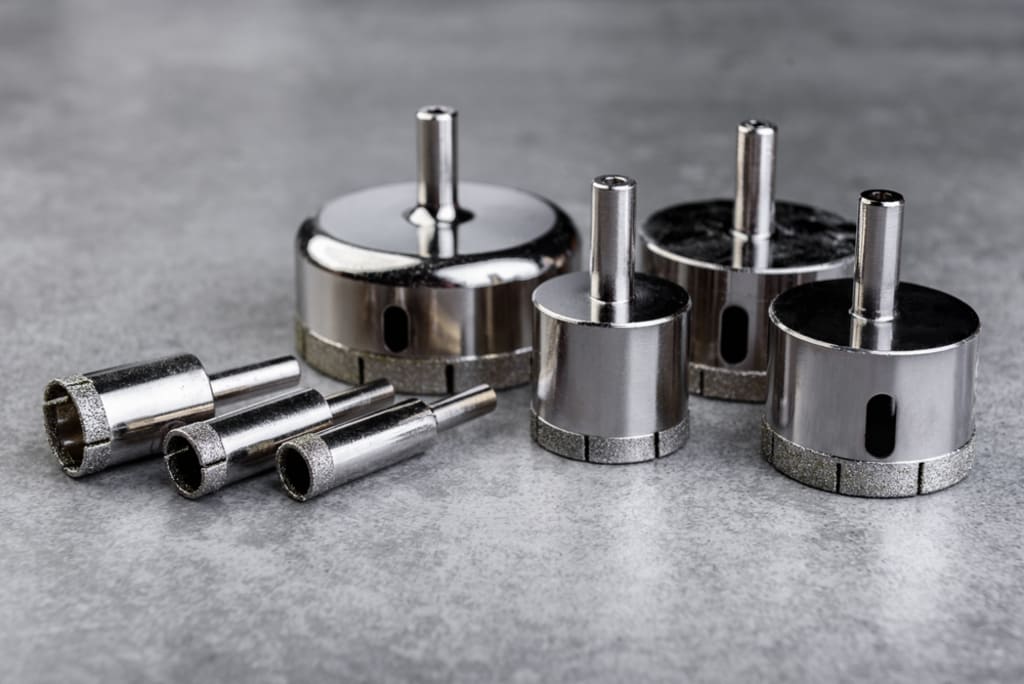
Diamond tip drill bits are invaluable tools for professionals and DIY enthusiasts working with hard materials like tile, glass, concrete, and stone. Their diamond-embedded design allows them to cut through surfaces that would quickly destroy conventional bits. However, these bits represent a significant investment, and without proper care, their performance can decline rapidly. Maintaining diamond tip drill bits isn’t just about preserving their sharpness, it’s about ensuring safety, efficiency, and cost-effectiveness in your projects. By understanding a few fundamental principles and incorporating simple habits into your workflow, you can extend the life of your bits, achieve cleaner results, and avoid unnecessary replacements. This guide covers the essential tips to keep your diamond tip drill bits in optimal condition.
Understand How Diamond Bits Work
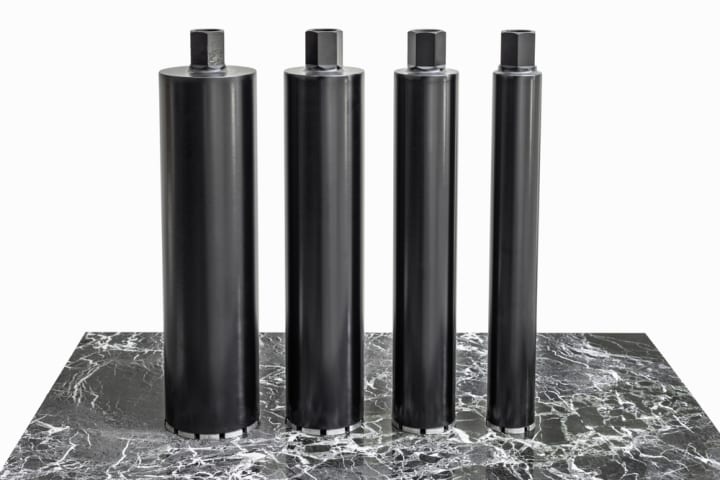
Diamond drill bits don’t cut like traditional bits; they grind. Industrial diamonds are embedded in a metal matrix, and as the bit rotates, these diamonds abrasively wear away the material. This process generates intense heat and fine dust, which can clog the bit and reduce its effectiveness. Unlike standard bits, diamond tips rely on their exposed grit rather than sharp edges. When maintained properly, they offer exceptional durability and precision. Understanding this grinding action is key to using and caring for them correctly.
Always Use Water as a Coolant
Water is non-negotiable when using diamond tip drill bits. The friction generated during drilling produces heat that can damage the bit and the material. Water cools the bit, reduces dust, and flushes away debris. For handheld drilling, keep a steady trickle of water over the drilling site or use a sponge. For larger projects, consider a continuous water feed system. Never operate the bit dry, as overheating can cause the diamonds to dislodge or the bit to warp.
Choose the Right Speed and Pressure
Diamond bits require a gentle touch. High drill speeds and excessive pressure generate heat and stress the bit. Use a low to medium speed setting and let the weight of the drill do the work. Forcing the bit will not make it cut faster but will instead accelerate wear. Allow the diamonds to grind gradually through the material. This approach minimizes heat buildup and ensures a cleaner, more controlled cut.
Clean the Bit After Every Use
Residue from materials like concrete, tile, or glass can clog the diamond particles, reducing cutting efficiency. After each use, clean the bit thoroughly. Submerge it in water and scrub gently with a soft brush to remove embedded debris. Avoid wire brushes or abrasive cleaners, as these can damage the metal matrix holding the diamonds. For stubborn buildup, a mild acidic solution like vinegar can help dissolve residue.
Store Bits Properly to Avoid Damage
Diamond tips are fragile and can easily be chipped or dulled by improper storage. Never toss them into a toolbox where they can knock against other tools. Store bits in a protective case or individually wrap them in a soft cloth. Keep them in a dry environment to prevent rust or corrosion. Proper storage protects the cutting surface and ensures the bit is ready for its next use.
Use the Right Bit for the Material
Not all diamond bits are created equal. Some are designed for soft materials like glass, while others are meant for hard surfaces like granite or concrete. Using the wrong bit can lead to premature wear or poor performance. Check the manufacturer’s specifications to ensure the bit is suitable for your project. Investing in specialized bits for specific materials will yield better results and longer bit life.
Avoid Lateral Pressure and Misalignment
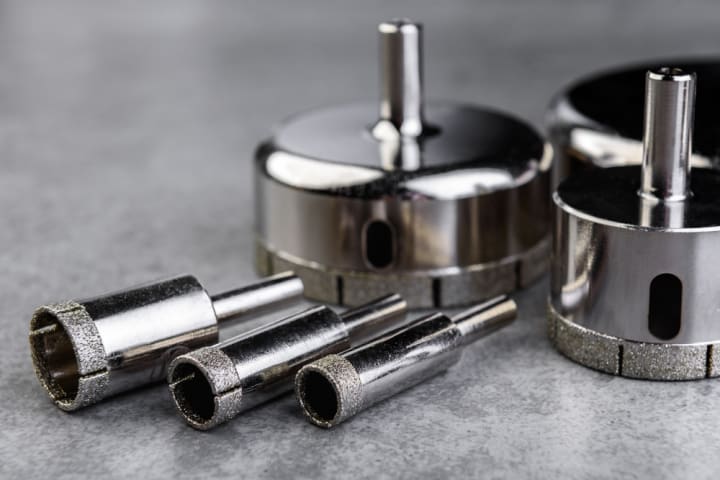
Diamond bits are designed for vertical drilling. Applying lateral pressure or using the bit at an angle can cause it to bend, break, or wear unevenly. Secure your workpiece firmly to prevent movement, and ensure the drill is held straight during operation. If the bit begins to wander, stop and reposition it. Proper alignment reduces strain on the bit and improves accuracy.
Recognizing Signs of Wear
Even with excellent care, diamond bits will eventually wear out. Signs of wear include reduced cutting speed, increased vibration, or visible smoothing of the diamond surface. When the bit no longer performs efficiently, it’s time to replace it. Continuing to use a worn bit can damage your project and increase the risk of accidents.
Break In New Bits Gradually
New diamond bits sometimes benefit from a break-in period. Start by drilling into a scrap piece of the same material you plan to work with. Use light pressure and low speed to allow the diamonds to wear evenly. This process can enhance the bit’s initial performance and longevity. Remember that this is a dangerous piece of machinery - if you’re unsure about operation, speak to the professionals.
Prioritize Safety During Use and Maintenance
Wear safety goggles and gloves when drilling to protect yourself from debris. During cleaning, handle bits carefully to avoid cutting from the sharp edges. Always unplug the drill before inspecting or maintaining the bit. Safety precautions protect both you and your tools.
Maintaining diamond tip drill bits is simple but essential. By cooling with water, using gentle pressure, cleaning after use, and storing carefully, you can maximize their lifespan and performance. These practices ensure that your bits remain reliable and effective, saving you time and money on future projects. Treat your diamond bits with care, and they will deliver precision and power for years to come. This common problem can be avoided by switching to diamond tip drill bits for all your hard material projects.
About the Creator
Keep reading
More stories from Lauren Bracy and writers in Lifehack and other communities.
Commercial Electrician Solutions for Warehouses, Retail, and Office Spaces
In the management of huge facilities like retail outlets, warehouses and office complexes. The role of the role of a commercial electrician is often undervalued. But, without an electrical system that is reliable businesses cannot operate efficiently. From ensuring that electrical wiring is safe to installing efficient lighting, a certified commercial electrician is a crucial advisor to business owners seeking uninterrupted operations and sustainable savings.
By Lauren Bracy4 months ago in Lifehack
If You’ve Always Done What You’ve Always Done
At the start of 2025, I started to post articles on my website under the category of ’52 Guiding Lights.' The goal was to share insights on sayings and idioms that aid daily life. I got up to number 16. The goal is to publish these as a management aid. However, we plan to release them in smaller batches, such as 12 at a time. That’s a year’s worth.
By Calvin Londona day ago in Lifehack
The Nutrient Gap No One Talks About When It Comes to Focus and Attention
Key Takeaways Taking the proper nutrients helps maintain optimal body function. The vagus nerve is a vital component in the connection between the brain and the gut. The right supplements, such as Neupril Pure Methylfolate, play a key role in helping clear brain fog.
By Tess DiNapoli5 days ago in Lifehack
The Devil's Cut
“Comrade, finally you’re awake.” The voice was smooth, sensual. A flickering incandescent bar was all that lit the white, sterile room. All Vladimir remembered was everything going black. He tried to move his arms and found them strapped to the gurney.
By Matthew J. Fromm5 days ago in Fiction


Comments
There are no comments for this story
Be the first to respond and start the conversation.